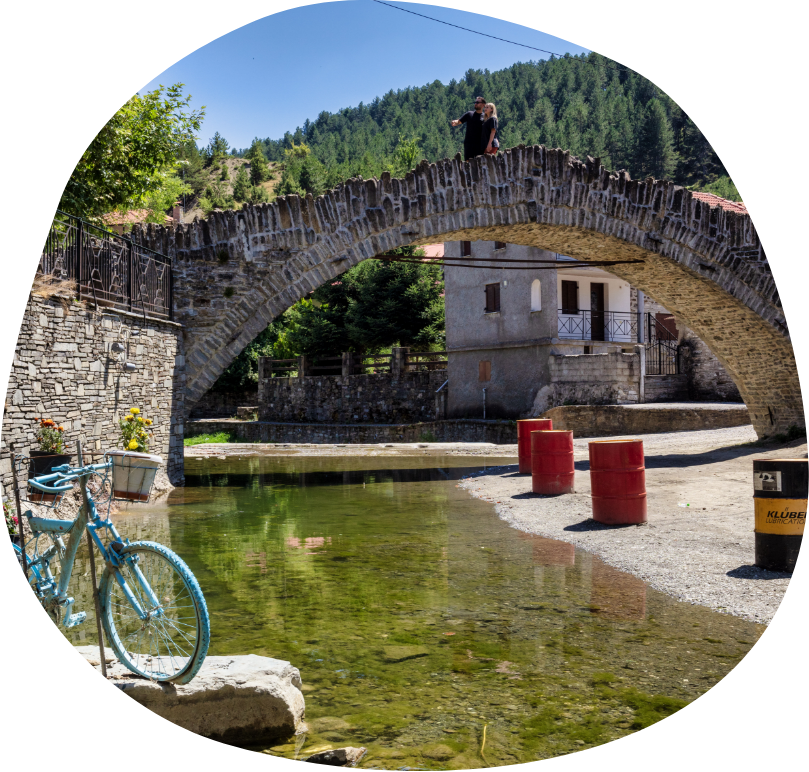
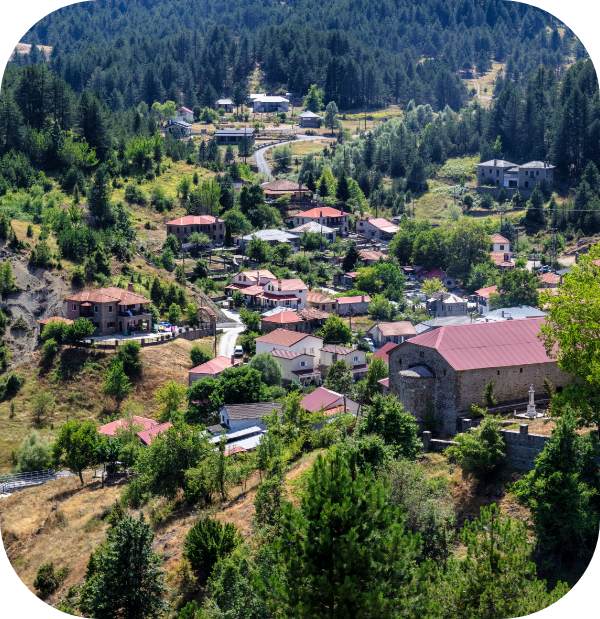
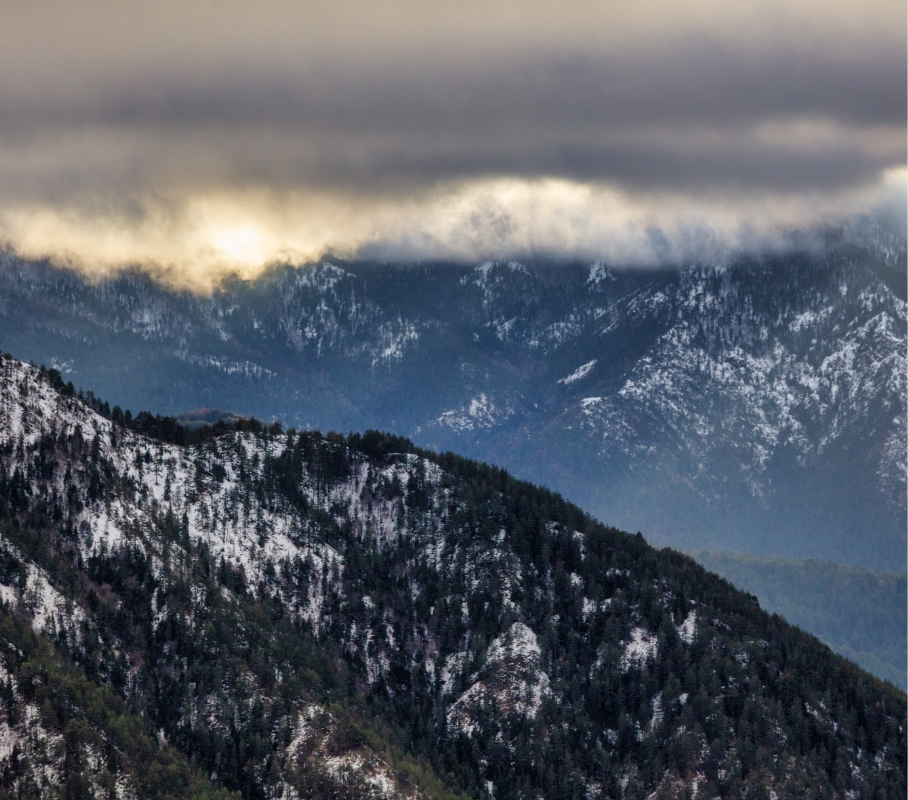
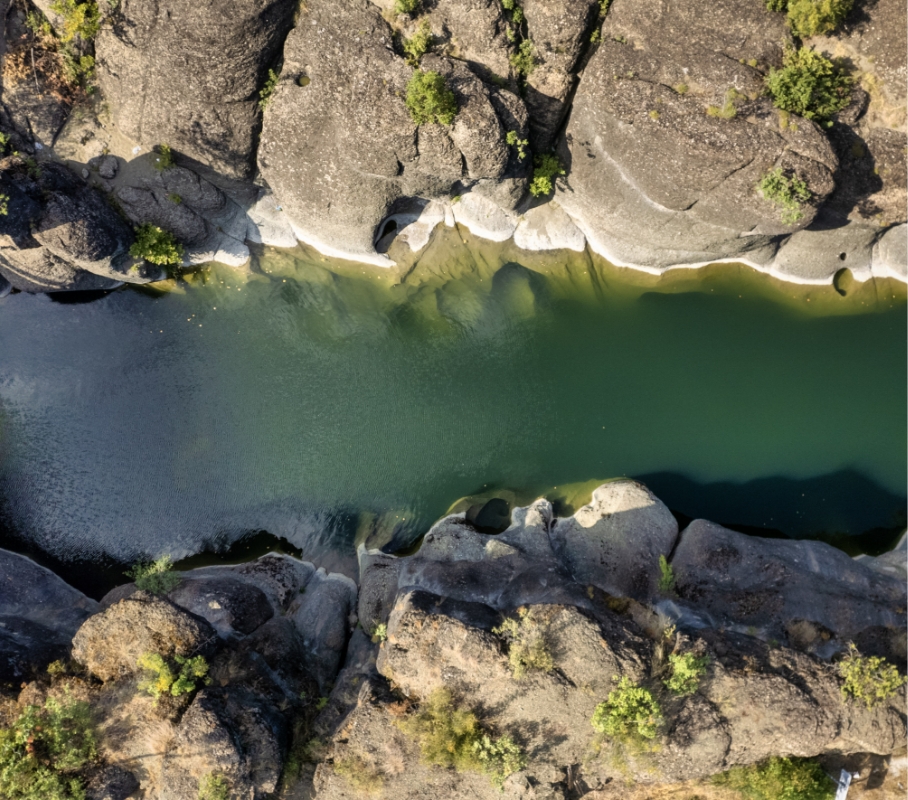
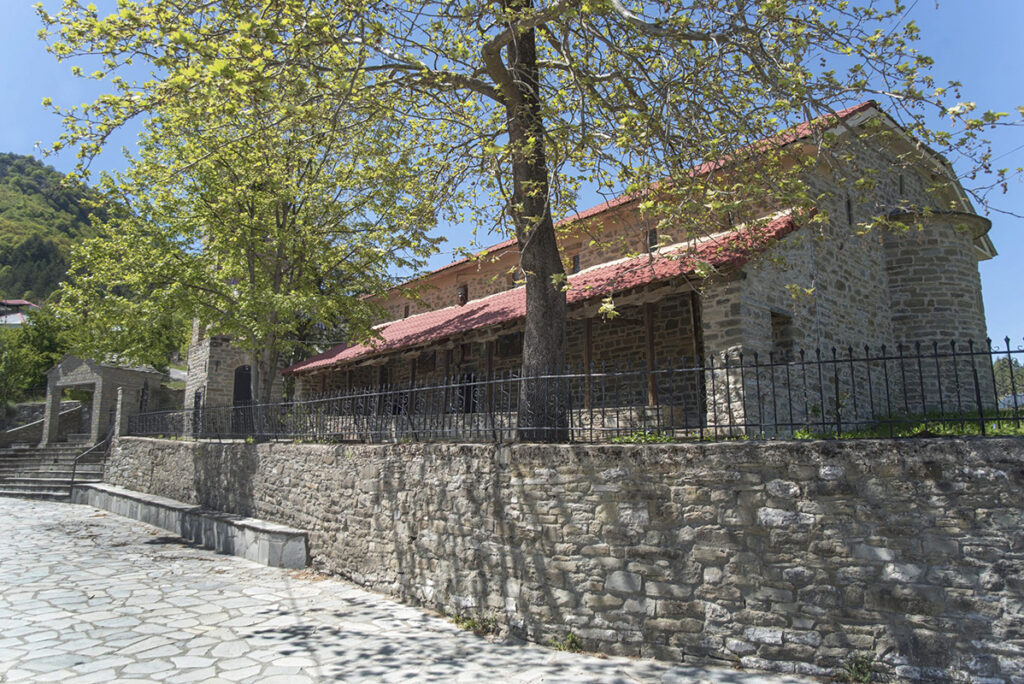
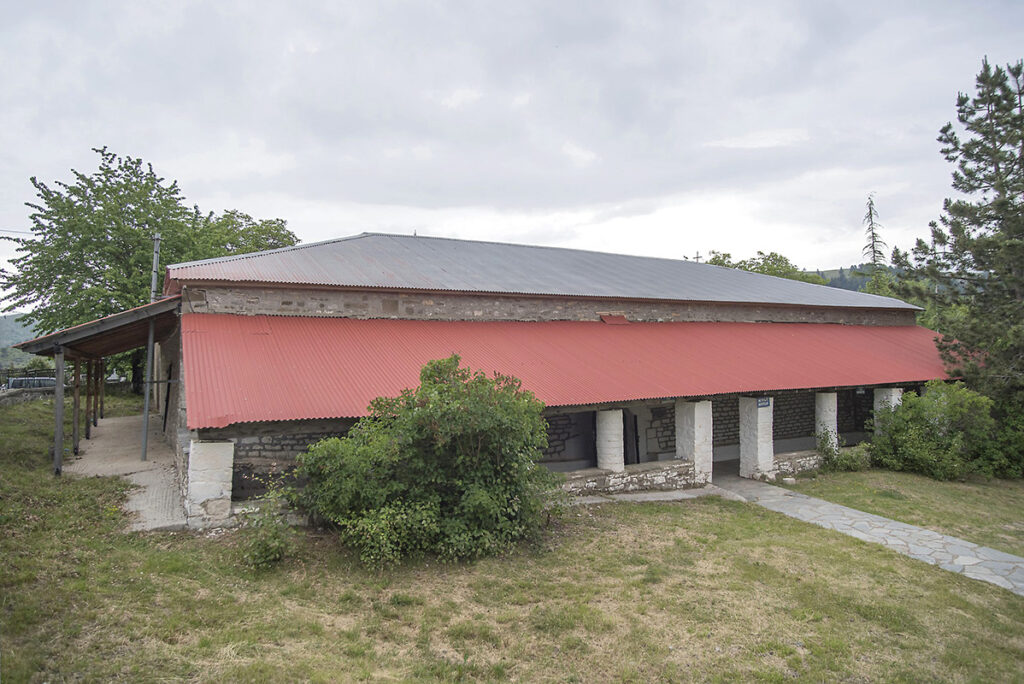
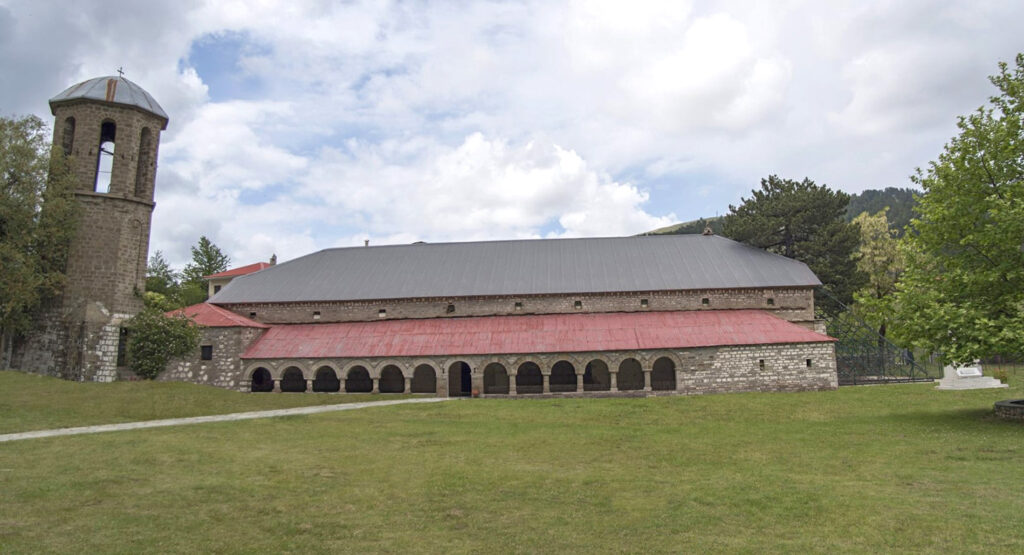
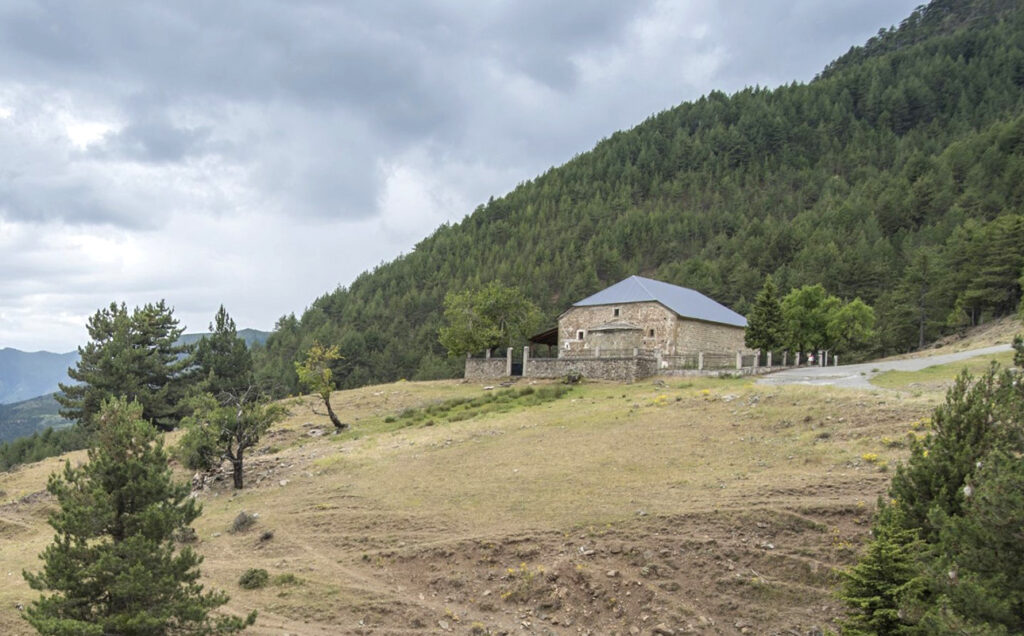
The story of Grevena stretches back thousands of years, beginning in the Paleolithic period, with hints of human presence throughout the region. In antiquity, the area was divided between Macedonian Elimeia in the lowlands and Tymphaea of Epirus in the highlands. From Mount Vourinos to the peaks of the Pindus, settlements flourished, and during the era of the Macedonian kings, a network of fortifications was established to control the mountain passes.
During the Roman period, the region remained strategically critical, with fortresses restored and iron mines operating in the Lygkos area. In early Byzantine times, however, Grevena saw limited development. Slavic attacks of the 6th century and subsequent settlements in the following century created a rich cultural tapestry that would stay in the region for centuries.
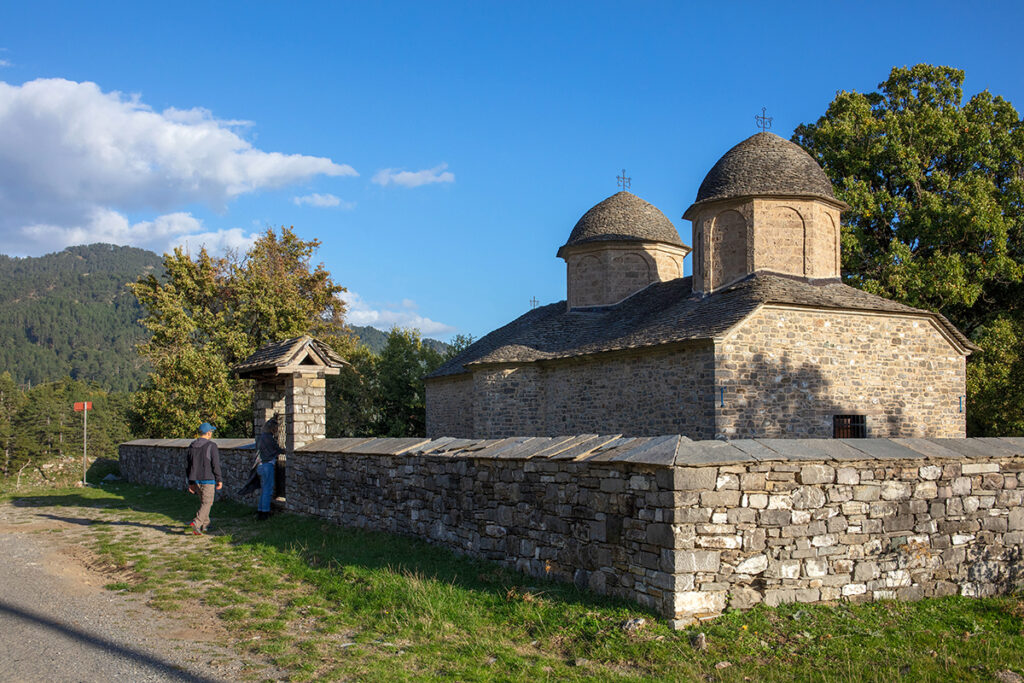
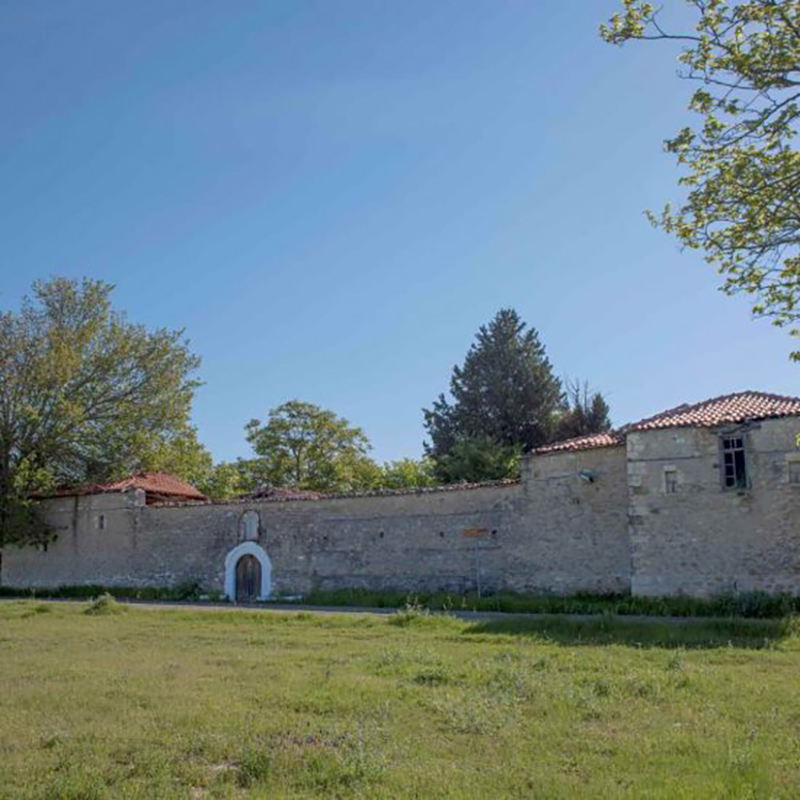
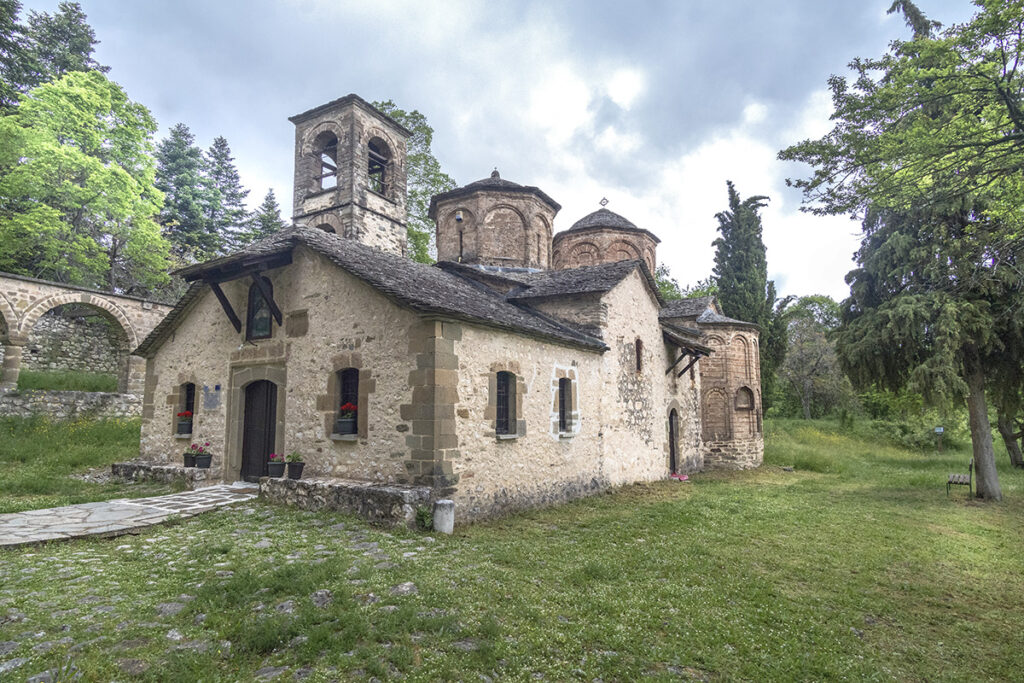
Following the Ottoman conquest at the end of the 14th century, Grevena became part of the Pashalik of Ioannina and later the Sanjak of Servia. In the 15th century, a new chapter began in the mountainous areas with the settlement of agricultural populations and Vlach nomads. Monasteries such as that of Saint Nikanor in Zavorda, a major religious center, strengthened spiritual unity and national consciousness.
In the 18th century, the region flourished with fairs, trade routes, and active muleteer networks. Spiritual awakening was significantly reinforced thanks to Saint Kosmas of Aetolia, who promoted education and the founding of schools, leaving a profound mark on the area.
During the 19th century, prominent local armatoloi (Greek guerrilla fighters) such as Theodoros Ziakas played major roles in early uprisings. In 1878, the region briefly declared its independence and was renamed as the “Autonomous Province of Elimeia”, while the region’s liberation came in October 1912, when the Greek army seized the city.
From that point onward, Grevena evolved steadily. During the interwar period, remittances from emigrants strengthened the local economy. In World War II, the region—supported by its mountainous economy and traditions—resisted and endured. In 1964, Grevena, which had previously belonged to the Kozani Prefecture, was recognized as an independent prefecture. Today, it stands as a living example of historical continuity and cultural resilience — a place where natural landscapes, tradition, and memory remain inseparably intertwined. Explore it, and you will sense this at every step.