

Kastri – The Hellenistic Acropolis
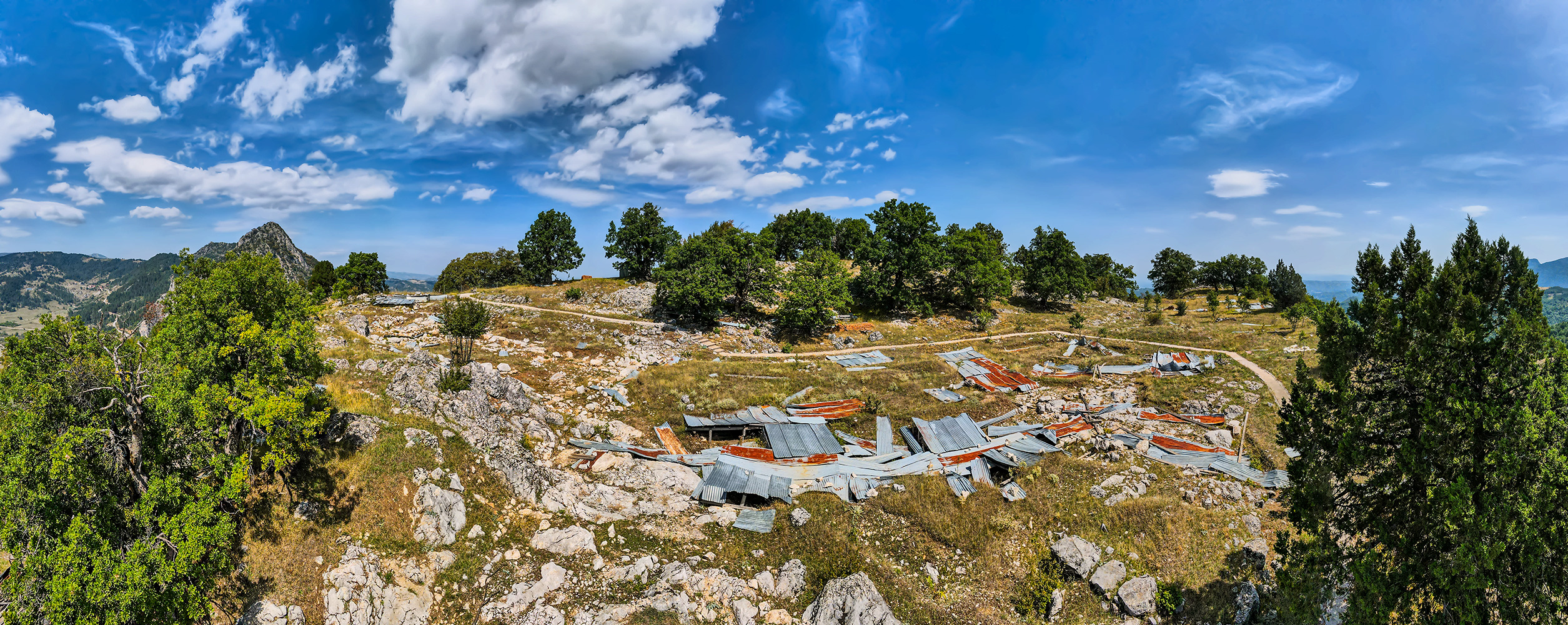
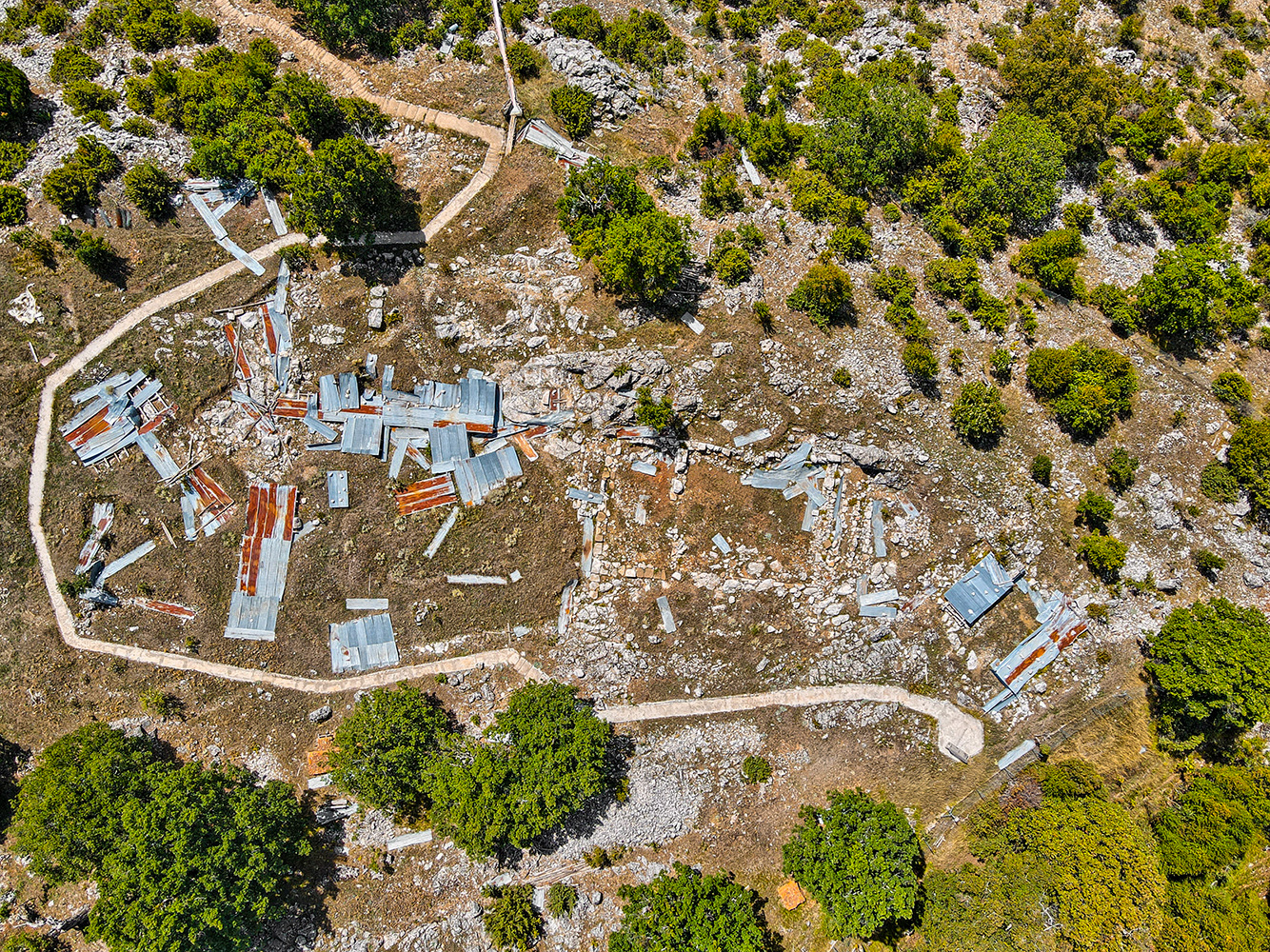
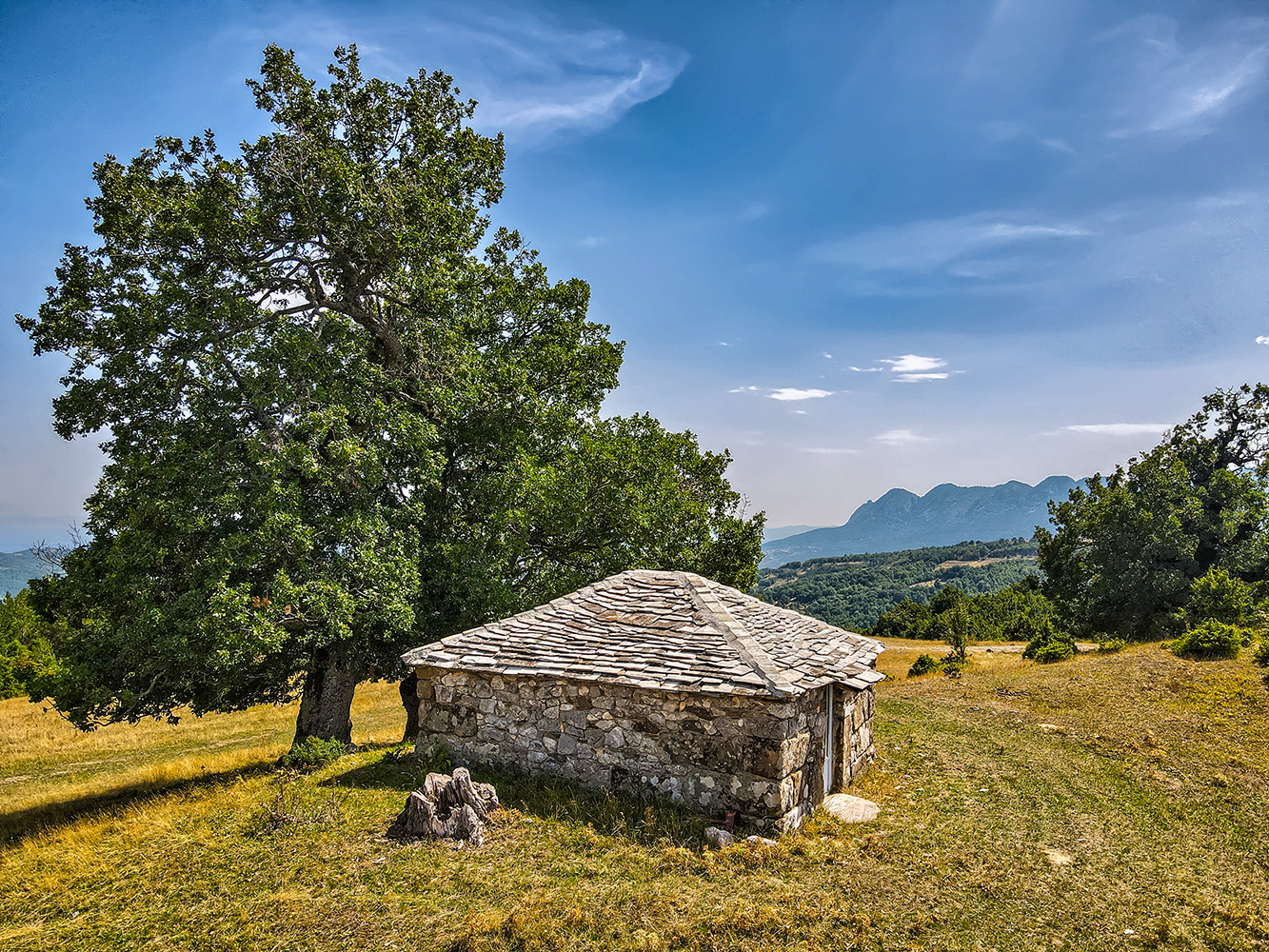
At an altitude of 1,200 meters, between Polyneri and Alatopetra, lies the hill of Kastri, where the acropolis of a previously unknown ancient city of the Tymphaeans has been excavated. The Tymphaeans took part in Alexander the Great’s campaign under General Polyperchon. The site’s history dates back to the Neolithic period, though the visible remains mainly belong to the late 4th to mid-2nd century BC. The acropolis was definitively destroyed around 150 BC, during the Roman conquest of the Kingdom of Macedonia. Excavations have revealed sections of fortification walls, parts of towers, and two gates, of which the western has been preserved better. Within the acropolis, archaeologists uncovered the remains of a wingless temple in megaron form and a large Doric stoa, which likely served as the entrance to the sacred precinct. Findings suggest the presence of a significant administrative and military center that controlled routes toward Thessaly and Epirus. At the foot of the hill stands the small Church of Agioi Theodoroi, built in the early 20th century using ancient construction materials and partially over an ancient tower.