Grevena – Περιφέρεια Δυτικής Μακεδονίας
https://makedonia.pavladev.gr/wp-content/uploads/2026/04/grevena-1.png

Grevena

Everything you need to know about the city


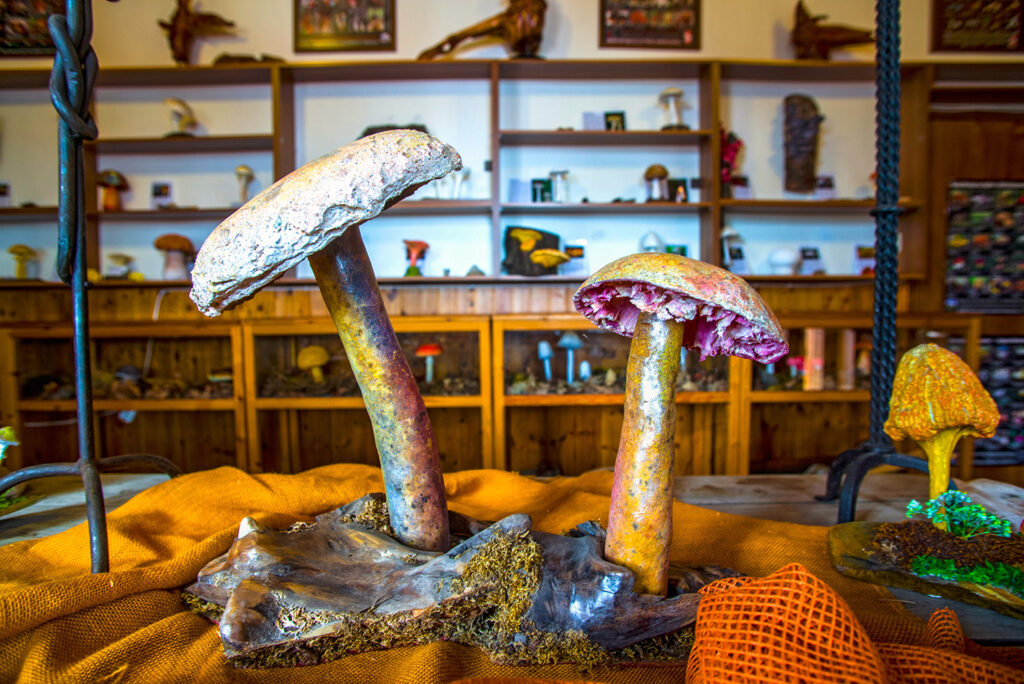
The ideal starting point for your adventures into the region’s wild and raw nature, the famed “city of mushrooms” is authentic and exuberant, blending history, gastronomy, culture, and engaging events.

Arriving in the city of Grevena, you will discover an urban center modest in size yet definitely intriguing. Built at an elevation of 535 meters along the quiet Grevenitis River—a tributary of the Aliakmon—Grevena serves as the administrative, cultural, and commercial hub of the wider area. Here beats the heart of the local economy, with small-scale dairy, woodworking, flour-milling, and textile enterprises shaping the city’s rhythm and identity.

A city rich in history

Walking through Grevena, you feel its history accompanying you at every step. The city’s origins trace back to Byzantine times, yet its development was closely linked to the major trade and pastoral routes across the Pindus Mountains, as they connected Epirus with Macedonia and extended as far as Monastir (Bitola) and Thessaloniki. Caravans and livestock from Thessaly once passed through here, transforming the town into an important transit station and economic center, particularly for the Vlach populations of the region.

Mushroom Capital

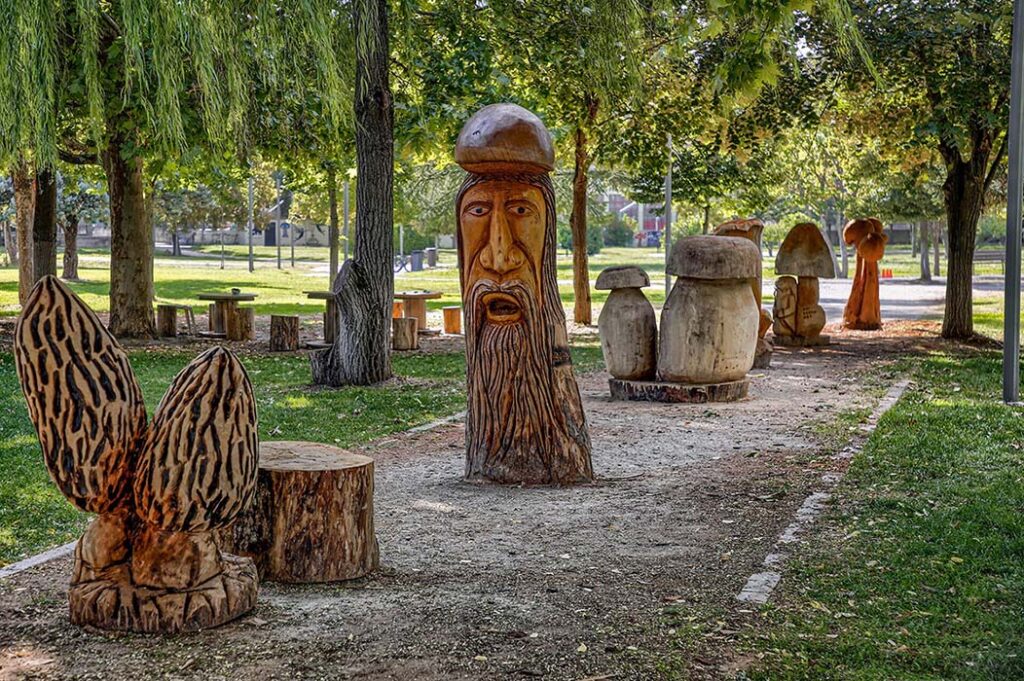
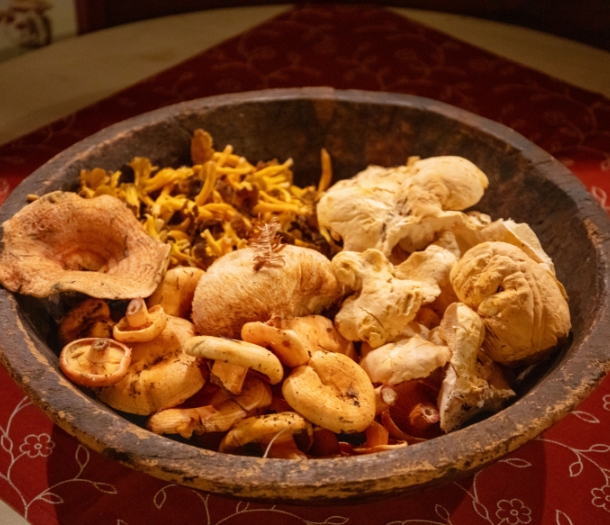
Today, Grevena is known as the “Mushroom Capital” in both Greece and the Balkans. Since 2007, it has officially held the title of “City of Mushrooms,” celebrating it each year with its renowned Mushroom Festival, which attracts mushroom enthusiasts from around the world. These festive days offer the perfect opportunity to discover rare varieties, to sample inventive recipes, and to understand why mushrooms have become the city’s signature product.

Coffee, drinks, and dining

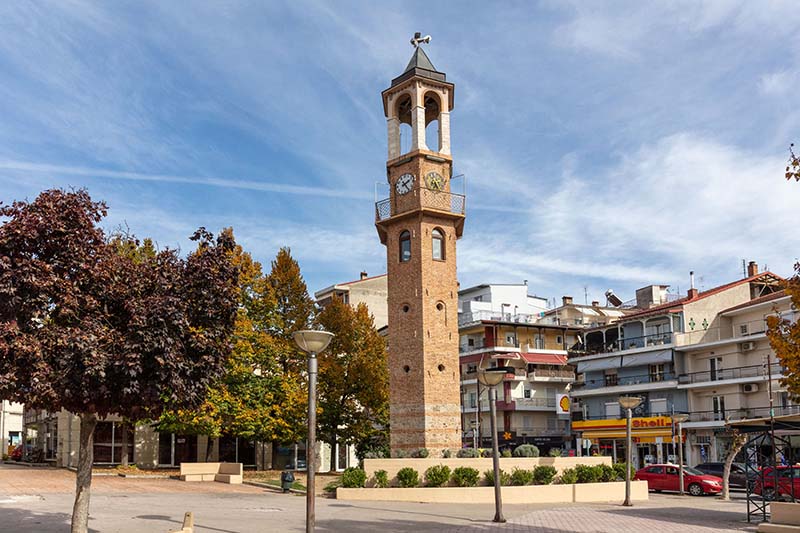
The city’s social life unfolds around its two central squares: The Emilianou Square and the Clock Square. Here, you can grab a coffee, savor local cuisine, and experience the rhythm of everyday life. Before you leave, be sure to pick up wild mushrooms, celebrated local cheeses, spoon sweets, traditional hilopites (hand-cut pasta), and trahana — small gastronomic treasures that will bring the flavors of Grevena home with you.

Culture and happenings

Grevena’s cultural life brings vibrancy to its urban landscape. The Public Central Library, with its tens of thousands of volumes and rich audiovisual collection, is a landmark for lovers of knowledge and reading. All throughout the year, the city hosts events and festivals that reflect its identity — from Christmas and Carnival celebrations to music and culinary festivals, and even the distinctive St. Patrick’s Day Festival, which adds an unexpected international touch to local culture.

Municipality of Grevena

Untamed nature, timeless traditions, and eagle-nest villages, embraced by the Pindus Mountains

Untouched natural grandeur, masterful craftsmanship, welcoming high-altitude settlements along the heroic Pindus range, and traditions rooted deep in time make Grevena one of the most appealing destinations for nature aficionados and lovers of authenticity. At the same time, the area’s vibrant life is enriched by festivals, cultural events, and food celebrations that beautifully complete the travel experience.

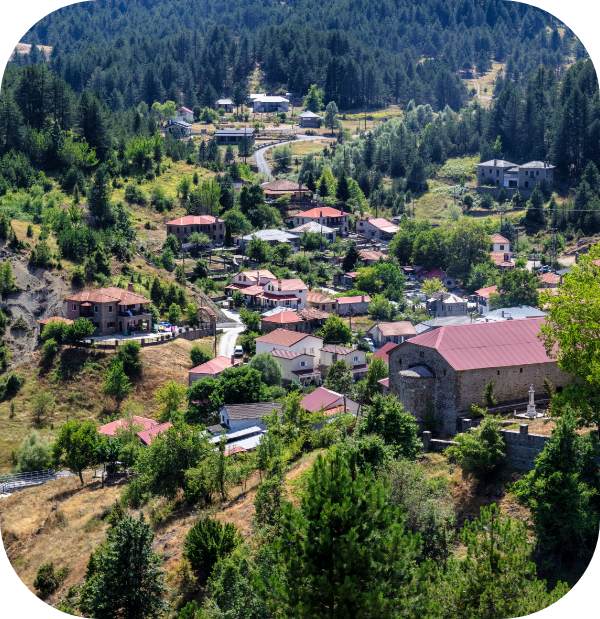
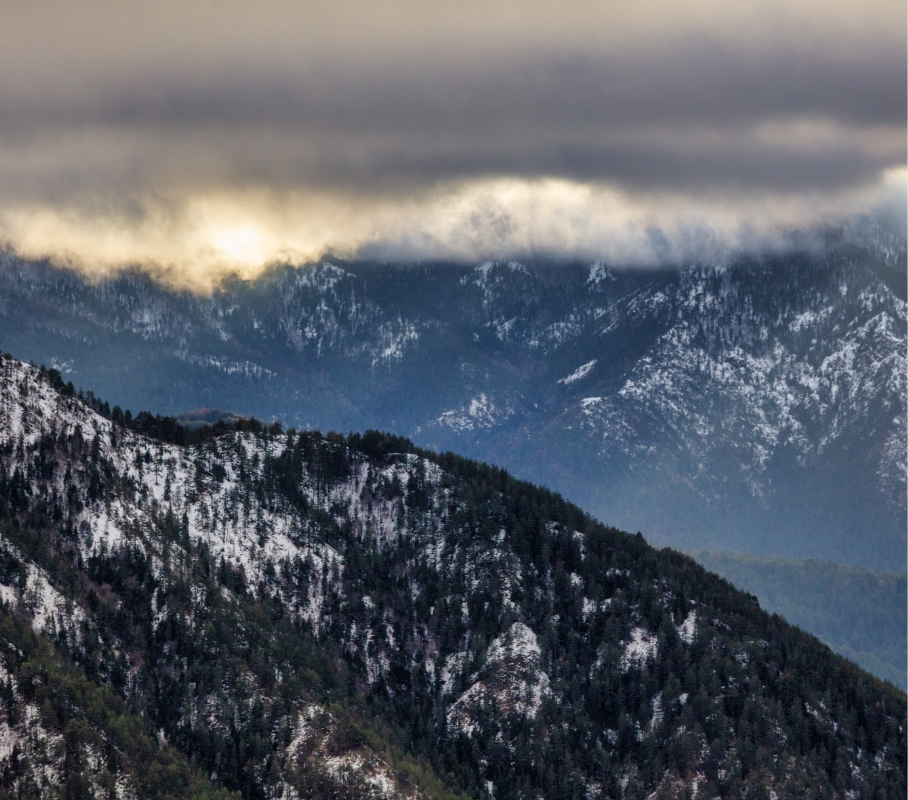
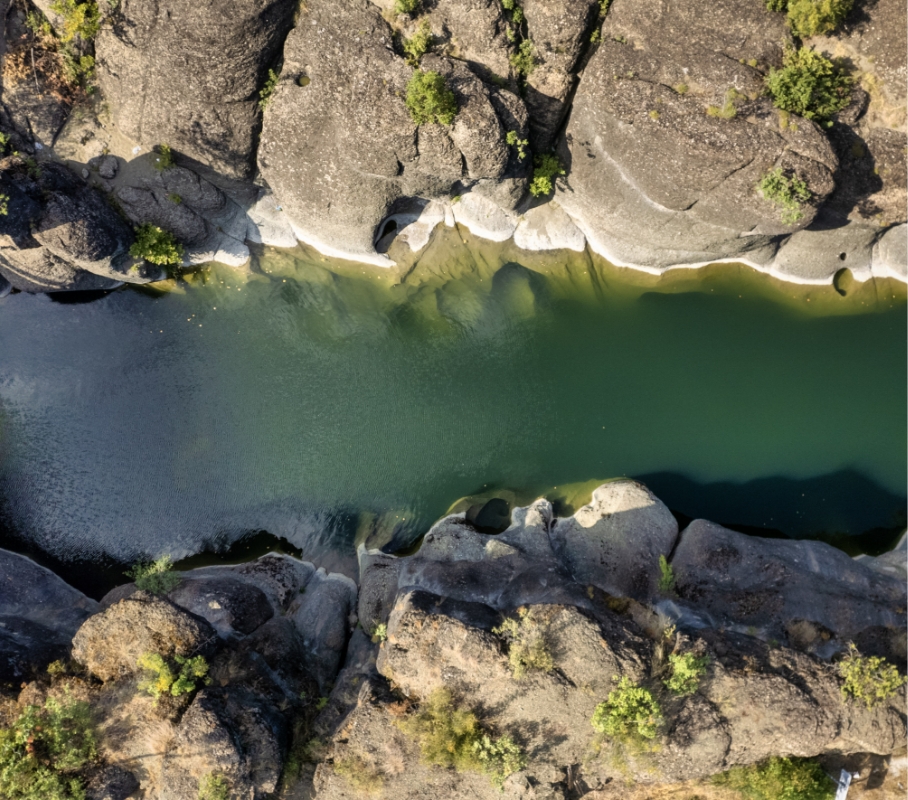
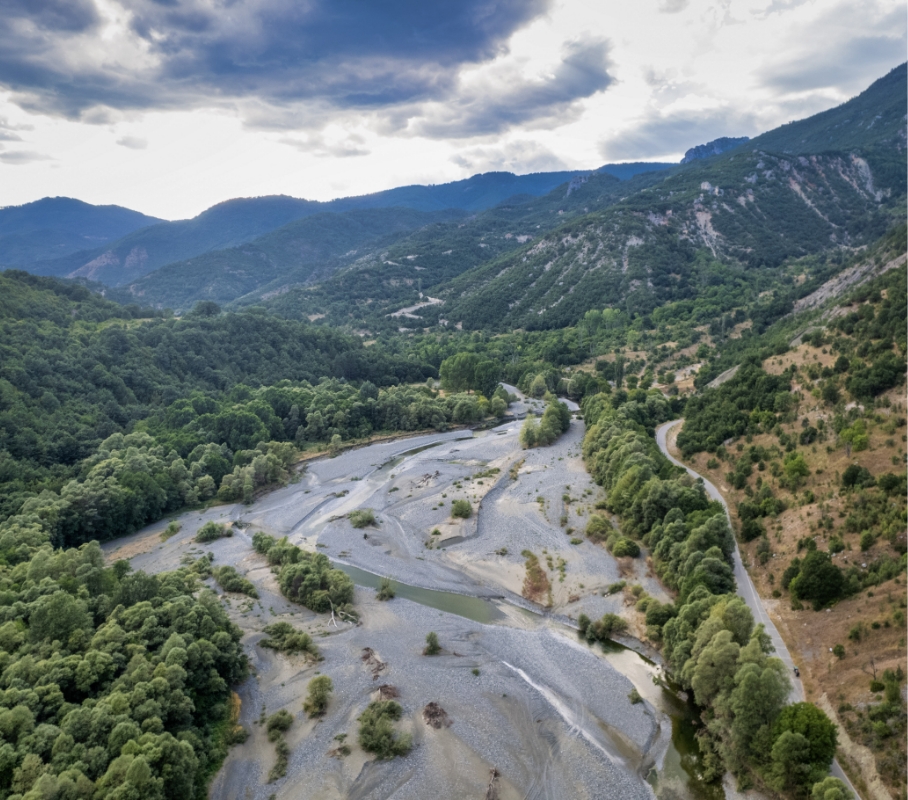
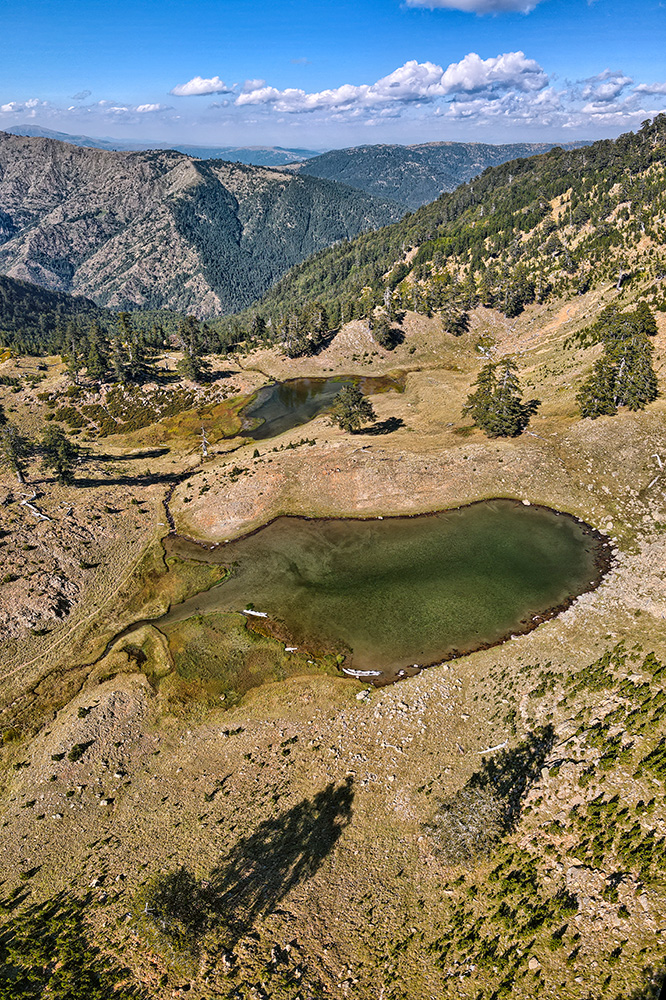
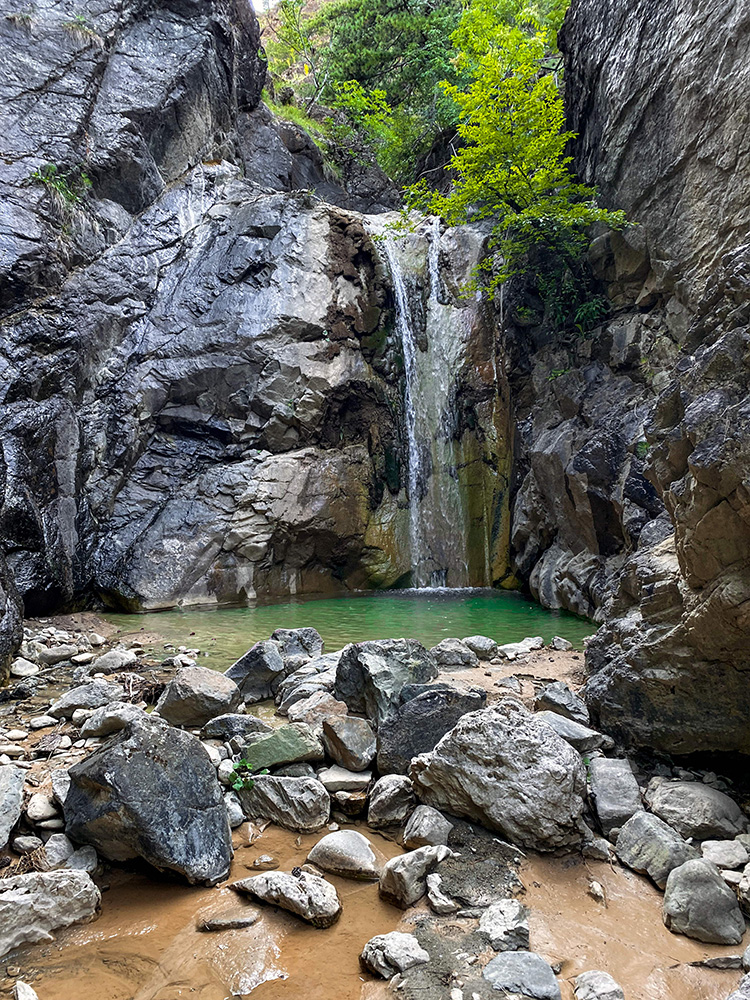
The Regional Unit of Grevena and the Municipality of the same name stretch across the southwestern edge of Macedonia, nestled in the embrace of the Pindus Mountains, inviting you to discover the incomparable beauty of their untamed landscapes. Imposing mountain peaks, endless forests, winding rivers, alpine lakes, and striking geological formations promise unforgettable journeys — a promise they never fail to deliver.

https://makedonia.pavladev.gr/wp-content/uploads/2026/02/me-mia-matia_1-3.png

Discovering the wonders of nature and human craftsmanship

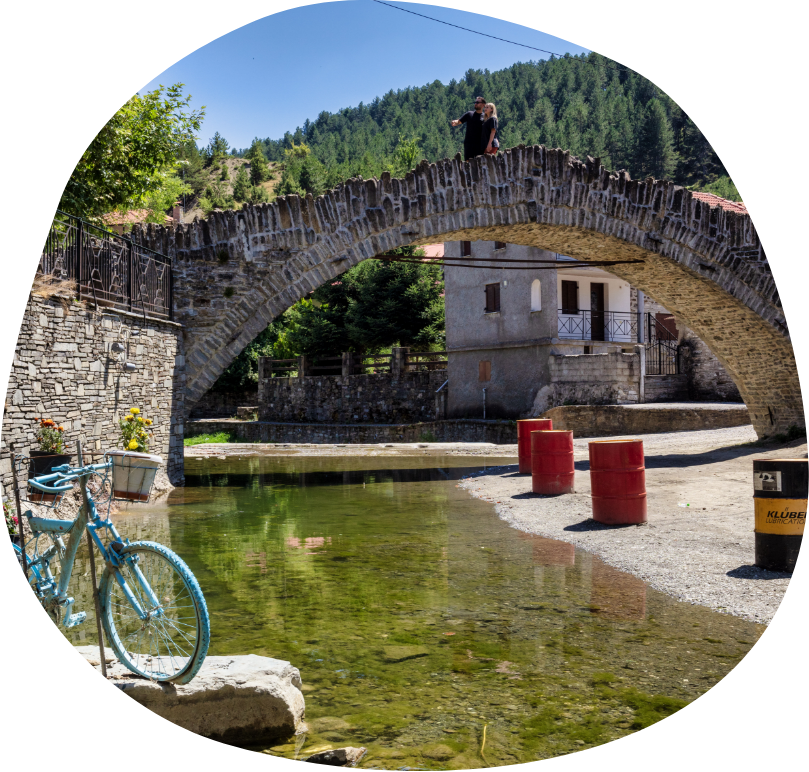
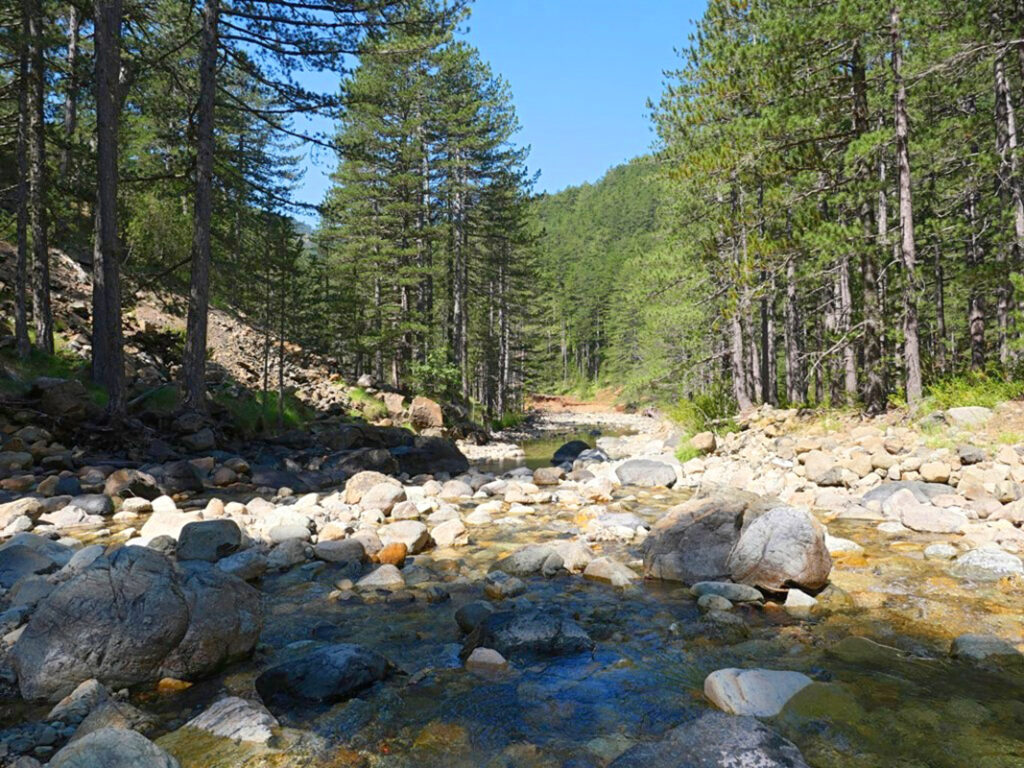
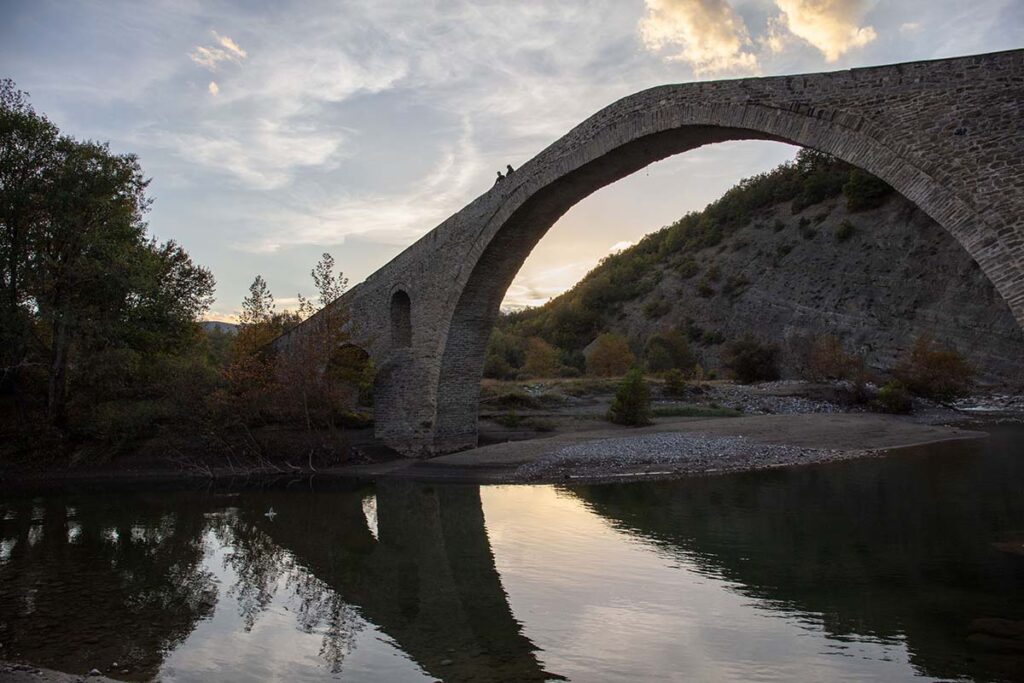
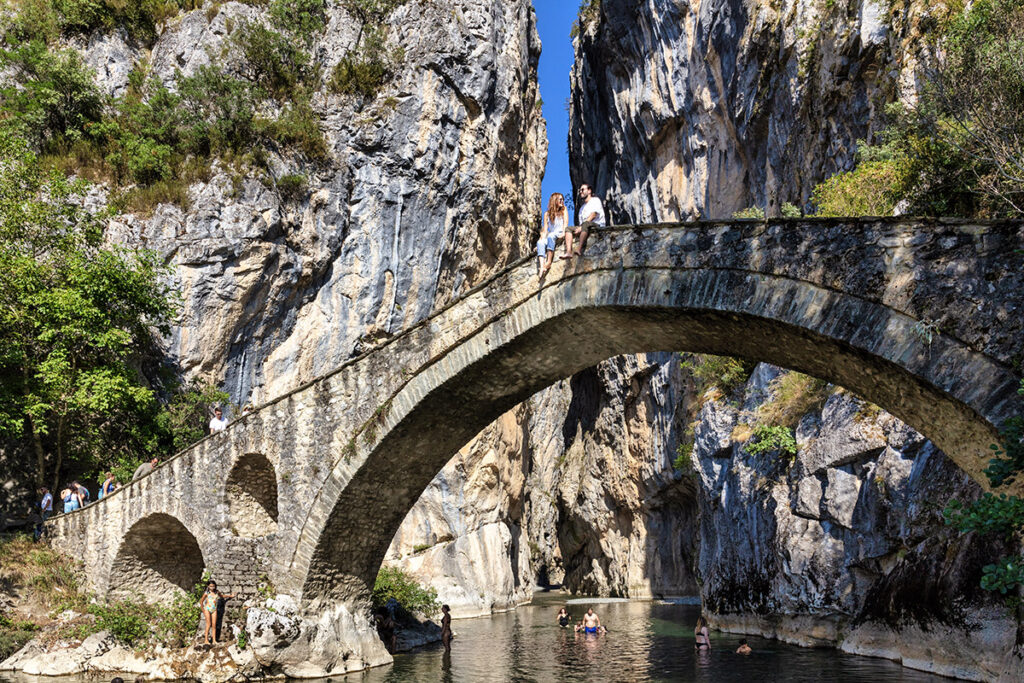
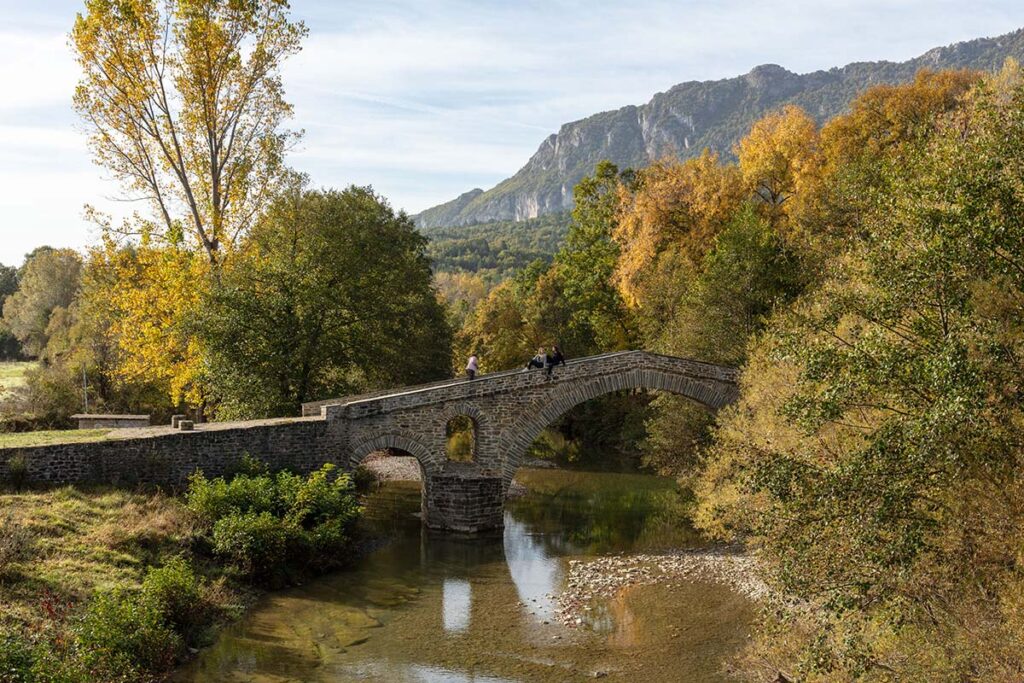
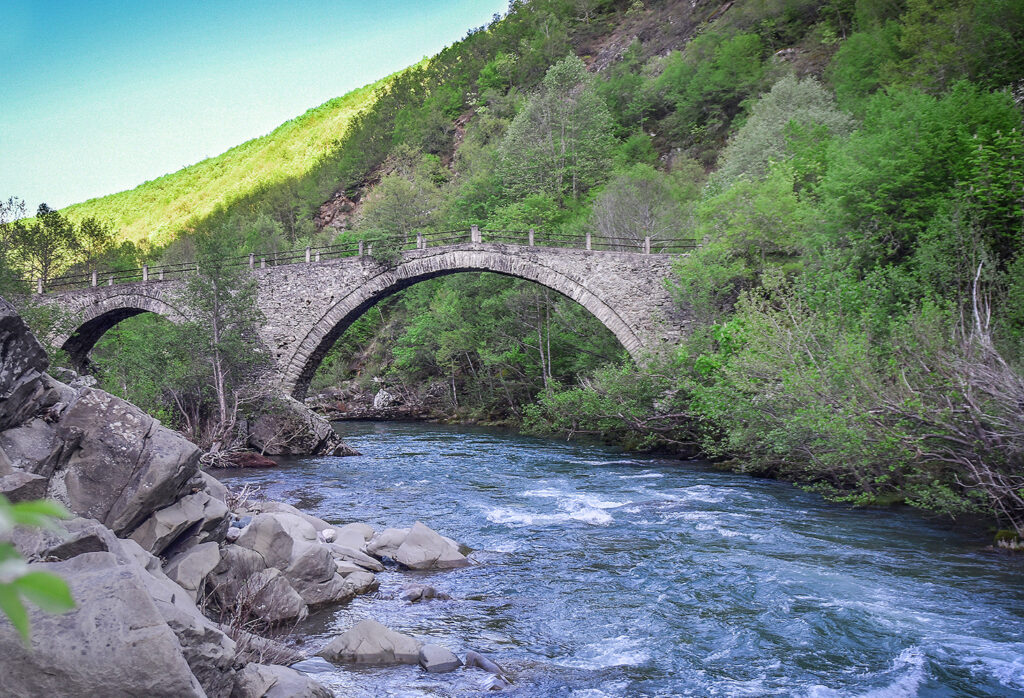
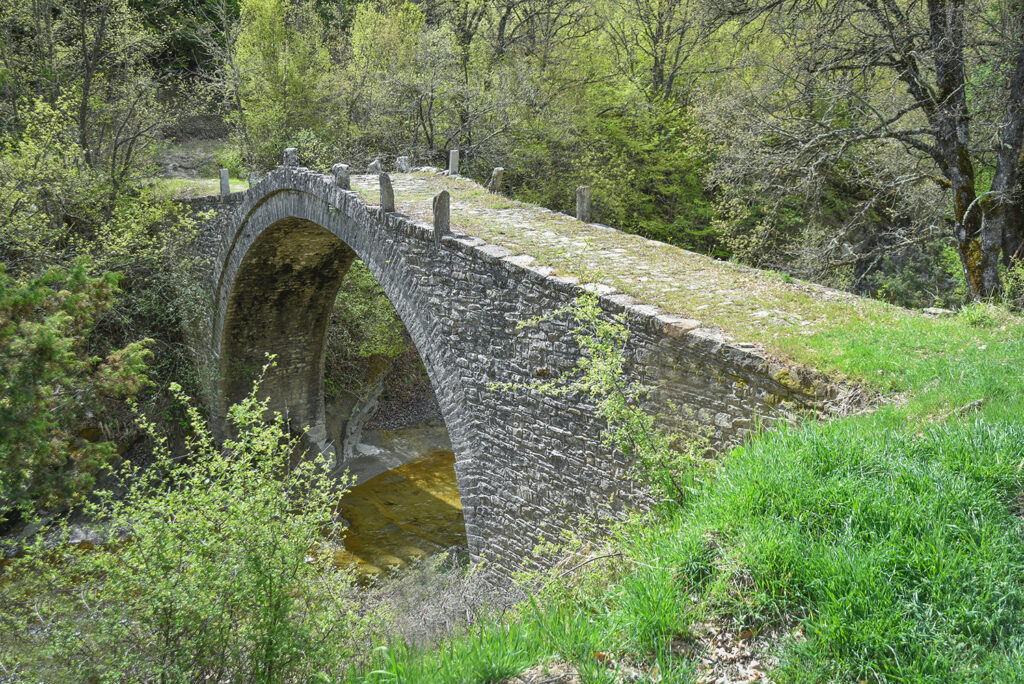
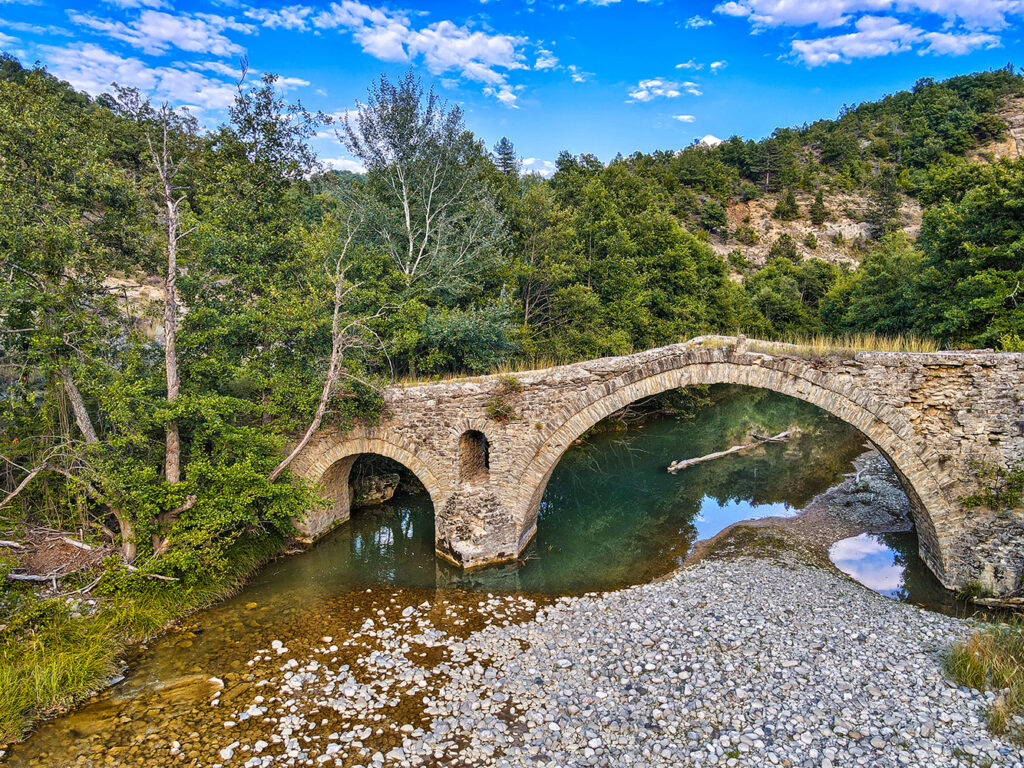
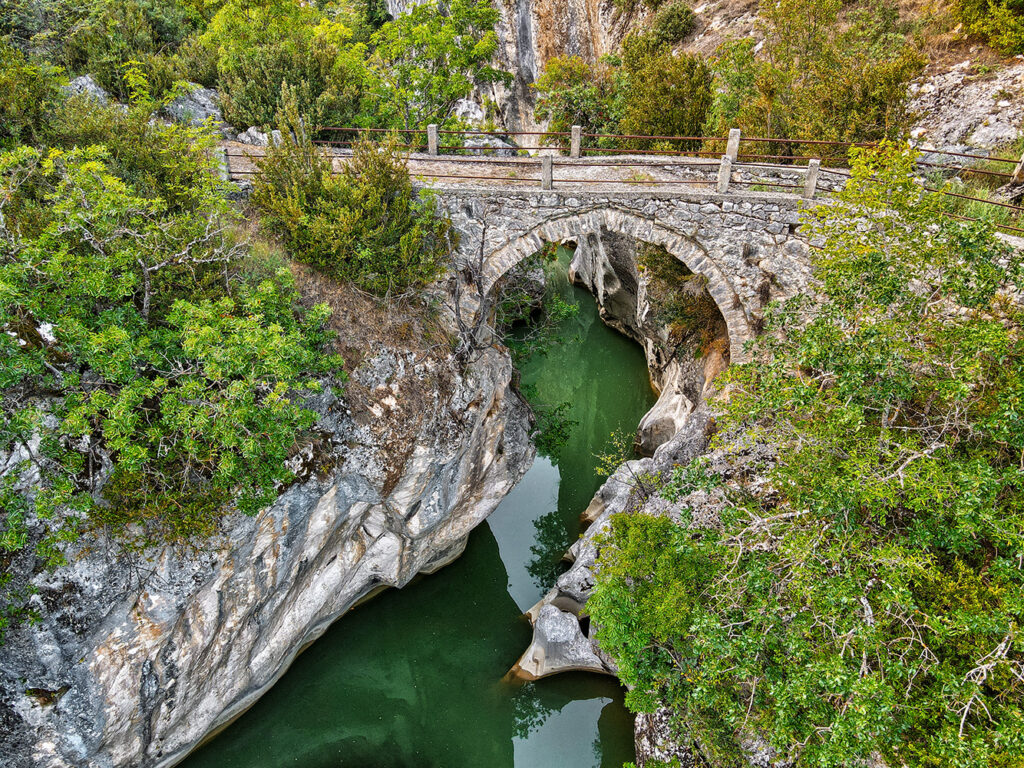
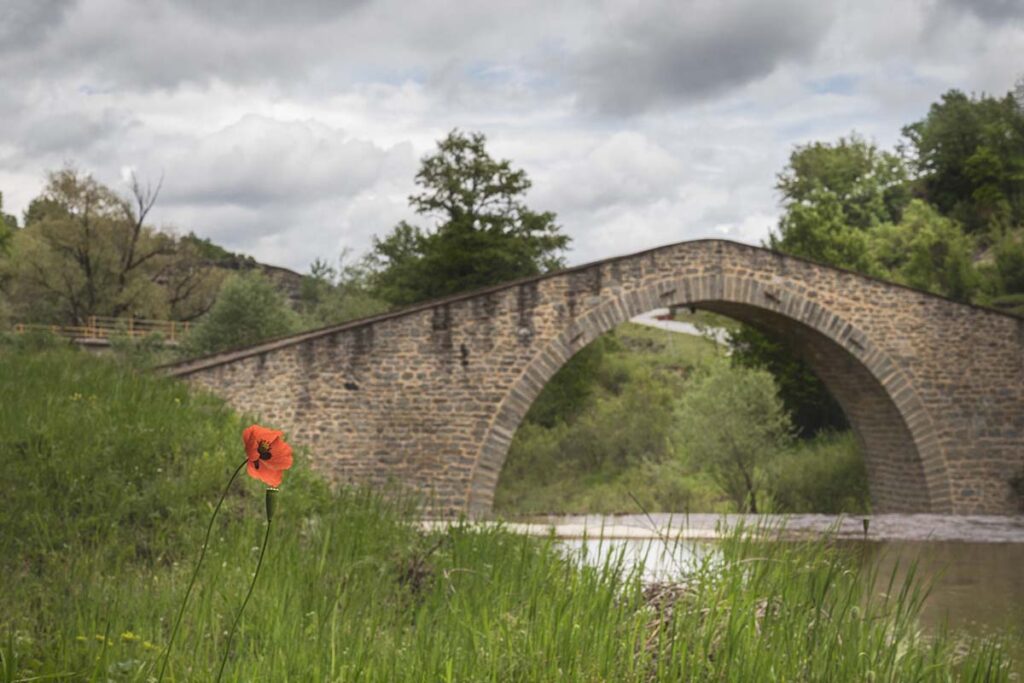
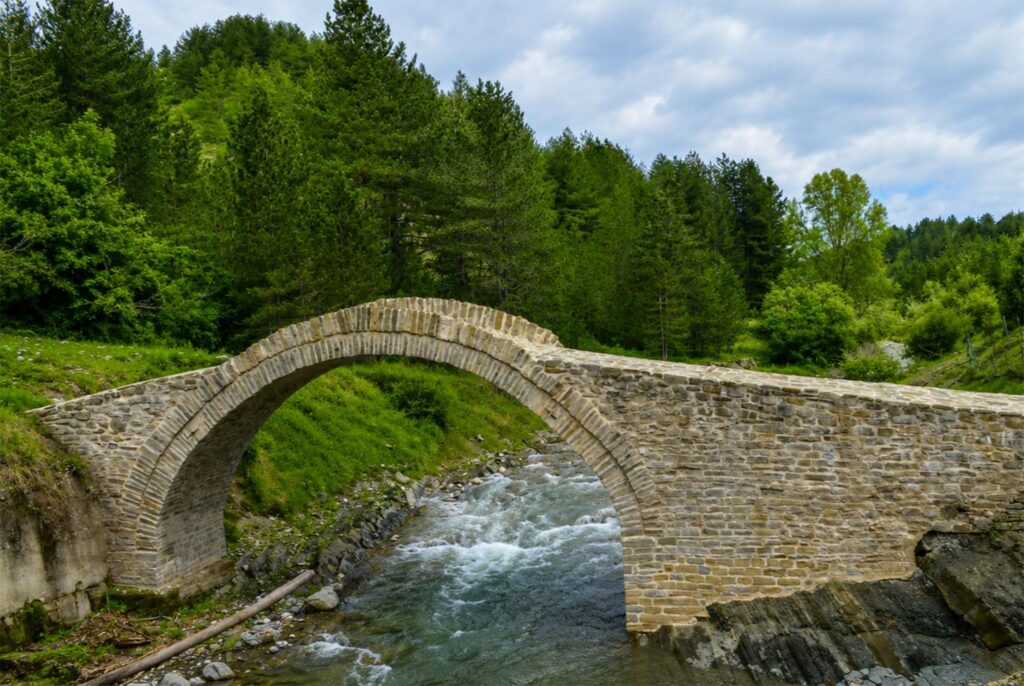
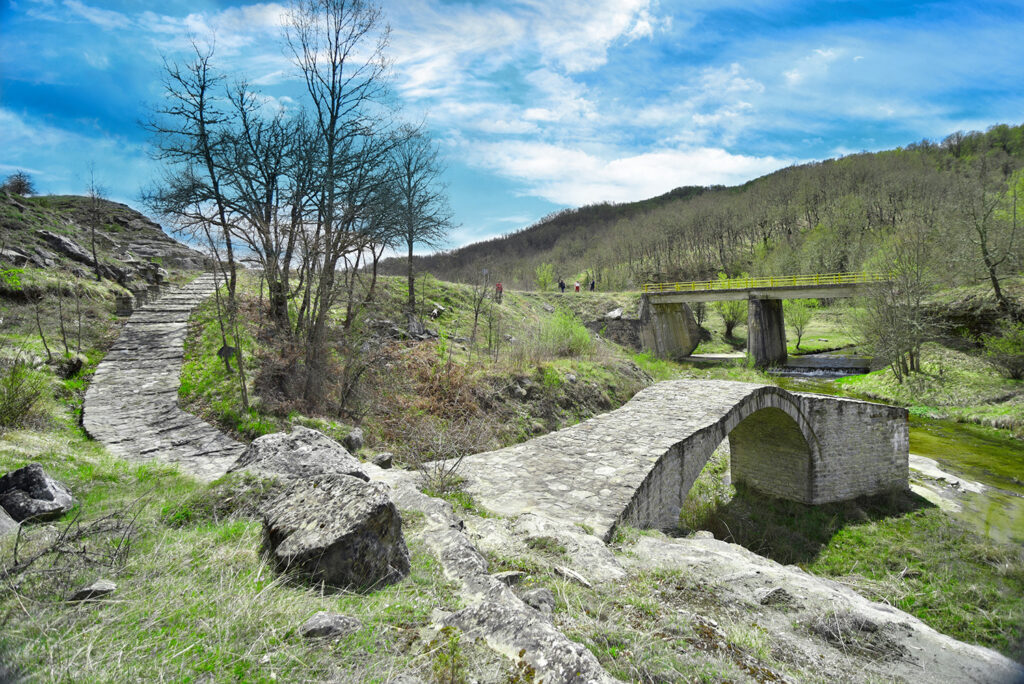
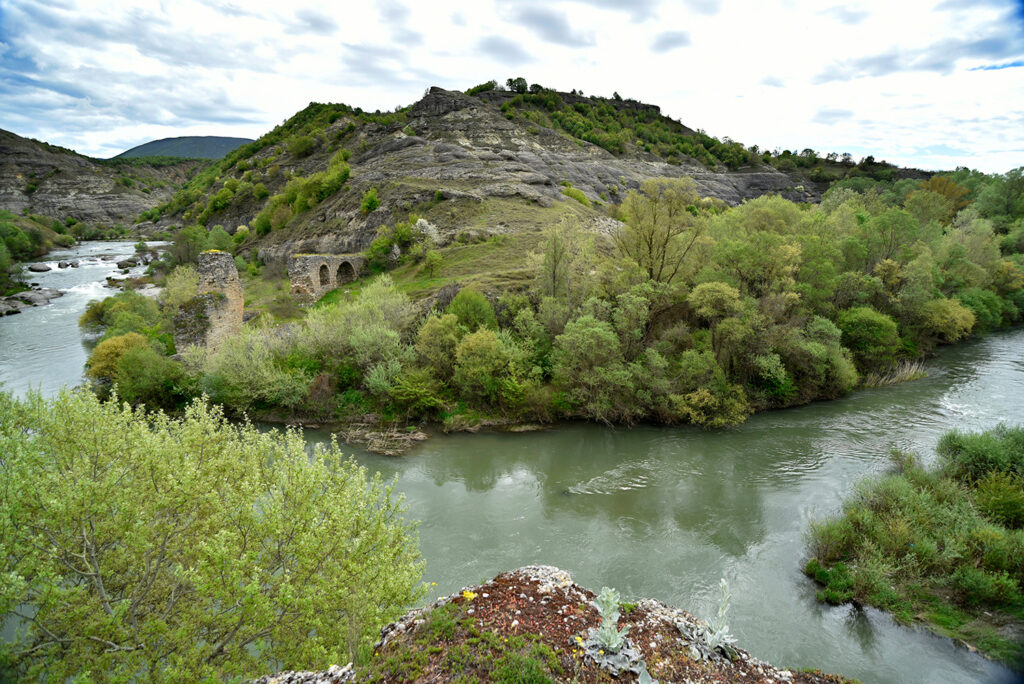
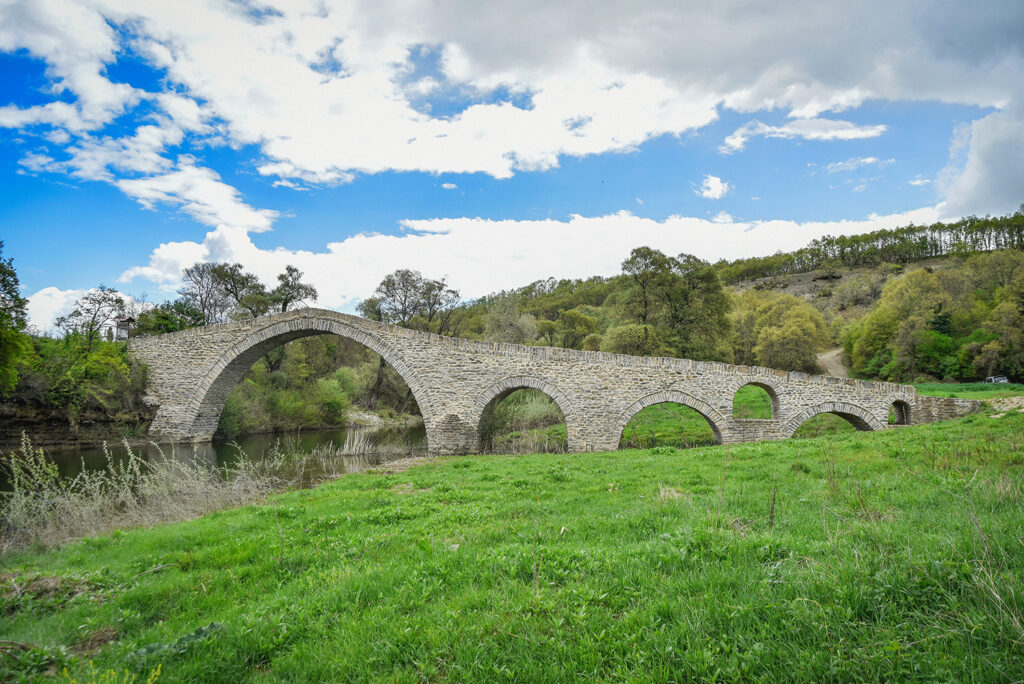
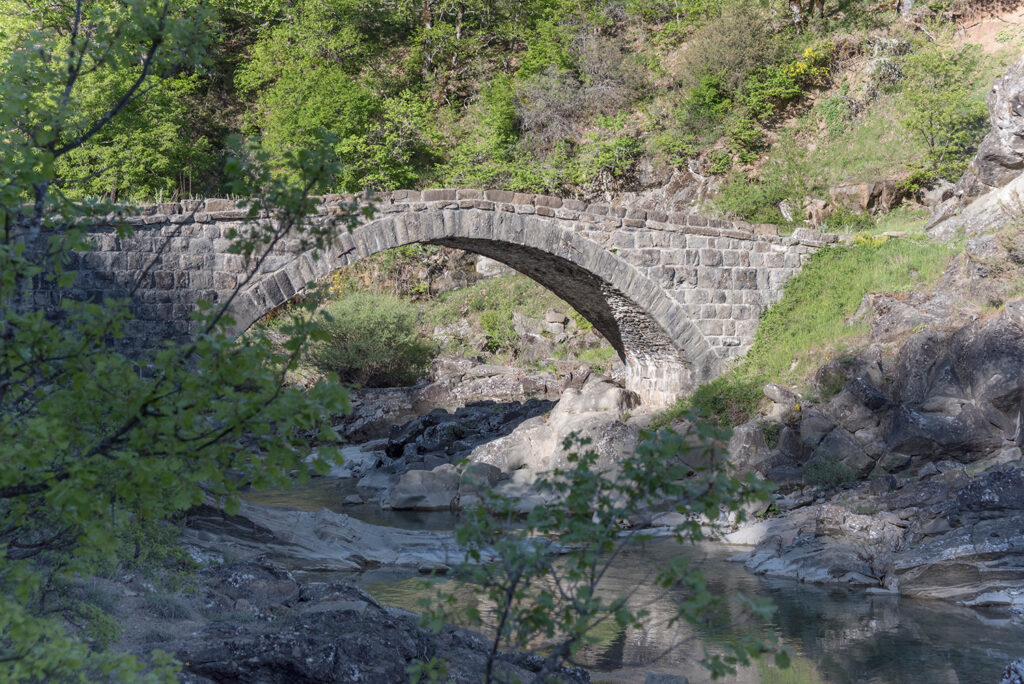
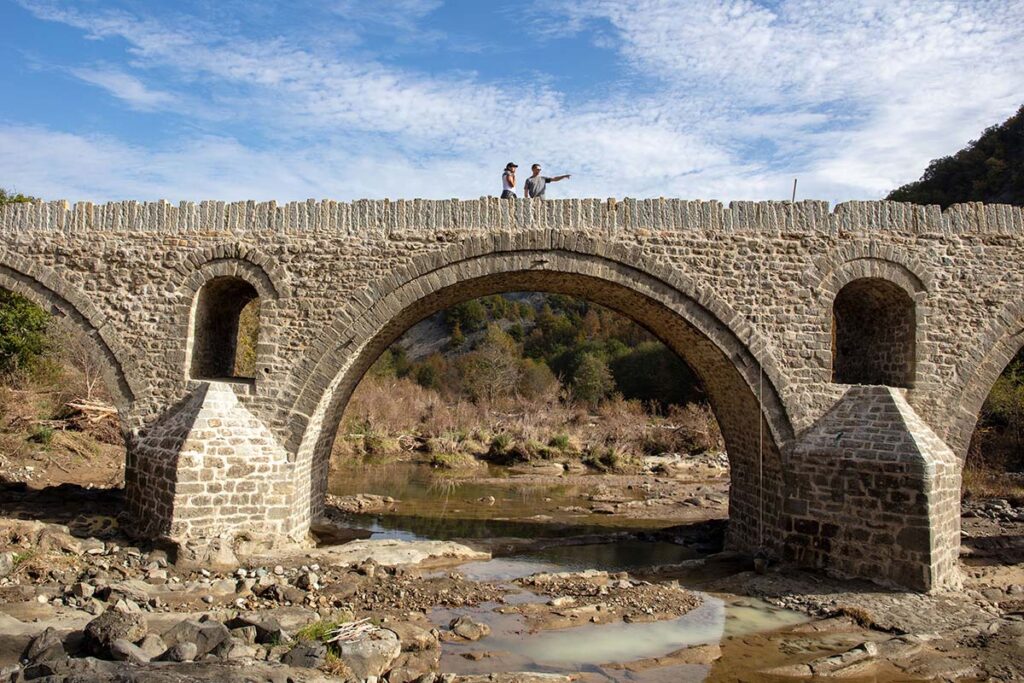
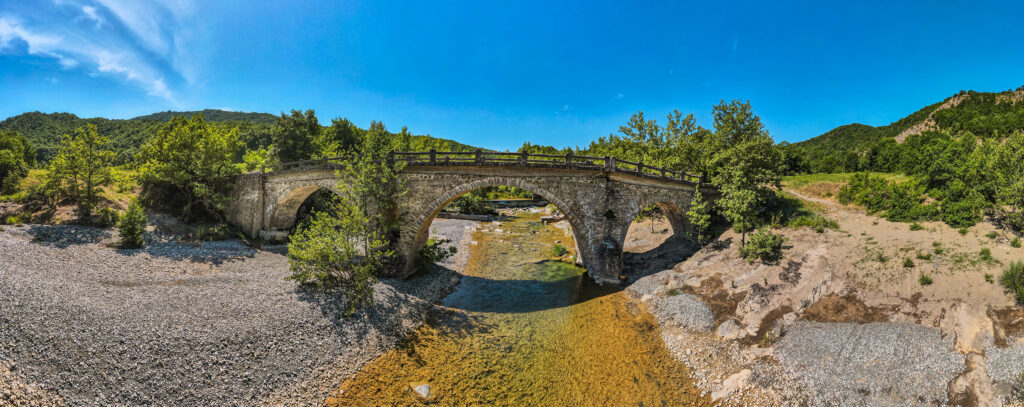
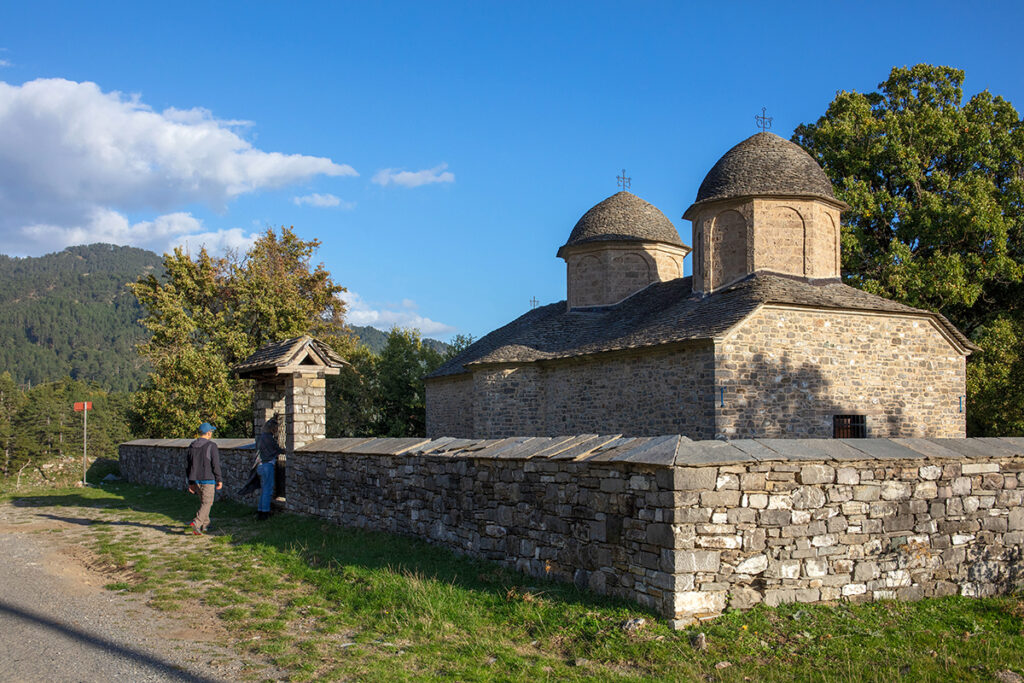
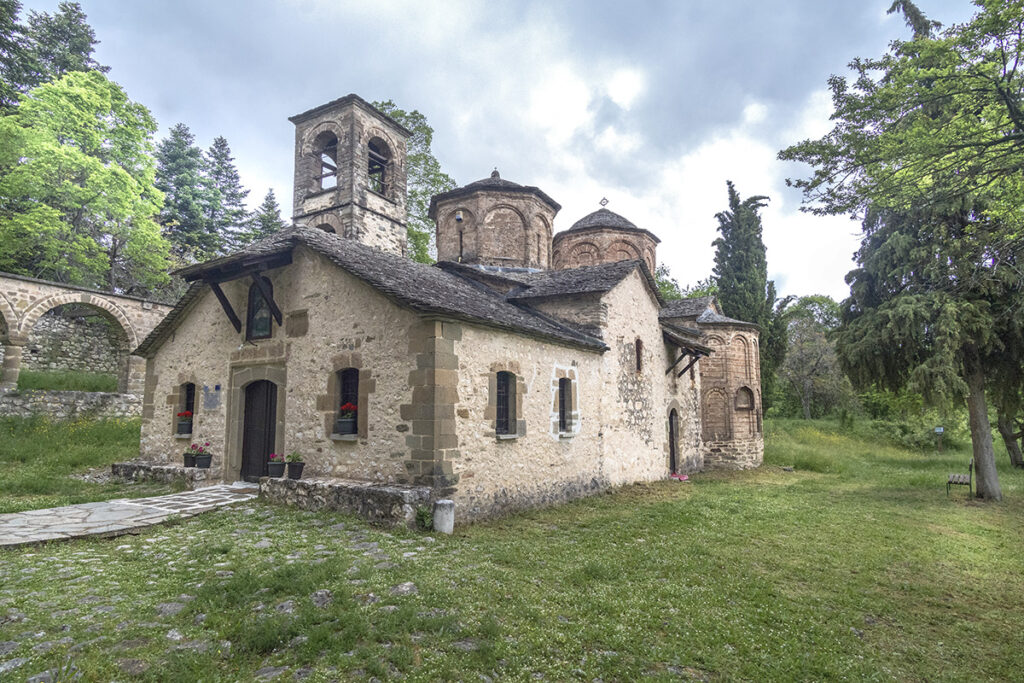
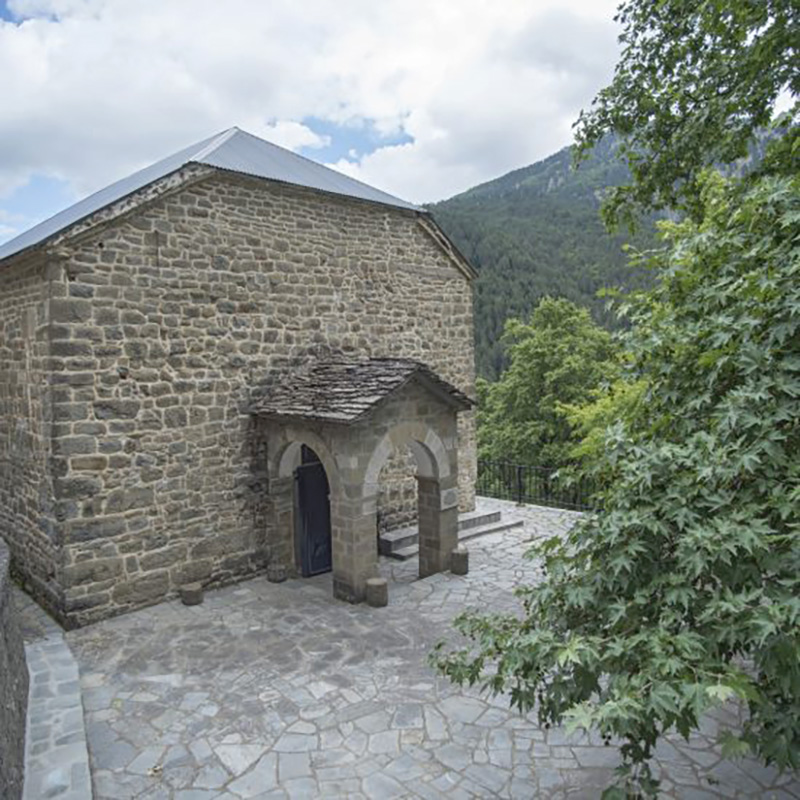
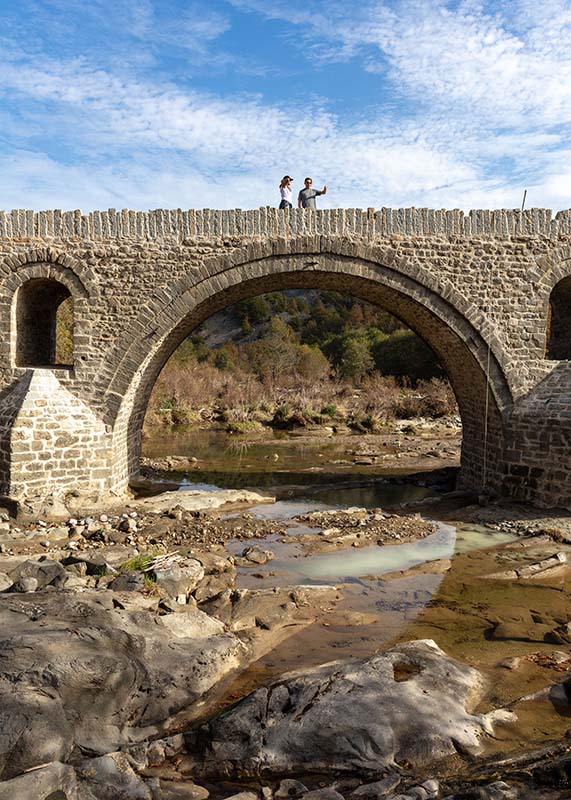
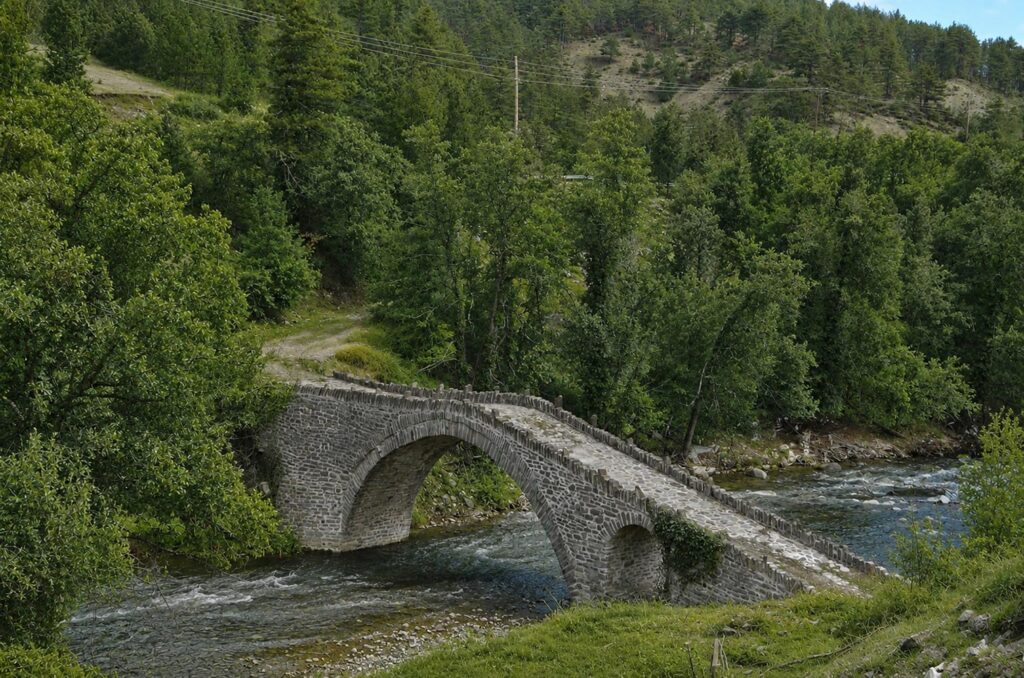
The Municipality of Grevena, as it exists today, was established in 2011. Its seat and only city is Grevena, and it is predominantly mountainous — a constant invitation to explore its legendary peaks and the monumental works shaped by both nature and humans. Your excursions here reveal remarkable sights, such as renowned stone bridges of the likes of Portitsa and Aziz Aga, true breakthroughs of pre-industrial architecture, as well as masterpieces of folk craftsmanship. You will discover small chapels and celebrated monasteries distinguished by their history, symbolism, and beauty. You will lose yourself in the magic of the legendary Valia Kalda, located by the border between the Grevena and Ioannina regions. Locally known as the “Warm Valley” (in Vlach dialect), this section of the Pindus National Park is, in fact, among the coldest and wettest areas in Greece, and one of its most stunning wildlife refuges. Along its pristine forest trails, you will encounter towering black pines, rare centuries-old Bosnian pines, and impressive beech trees that blaze red in autumn.

Villages perched high in the mountains of Grevena

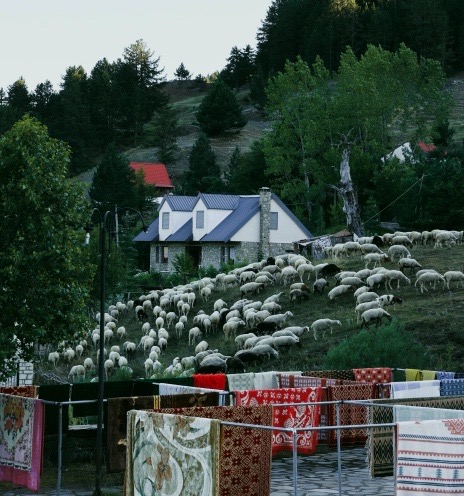
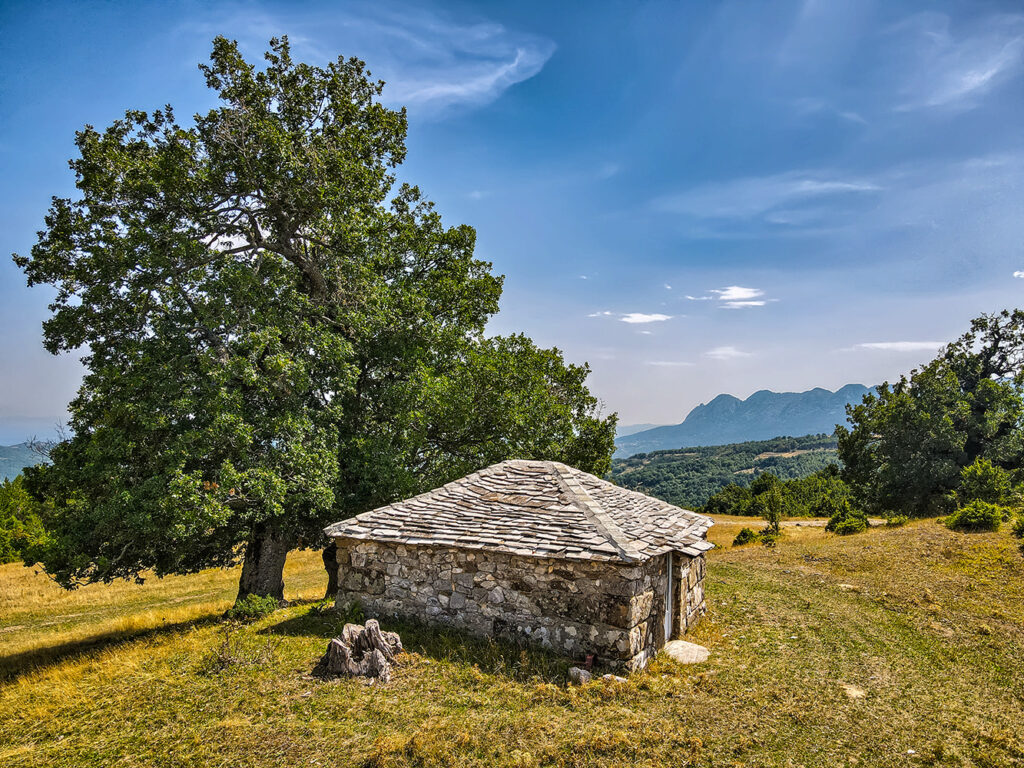
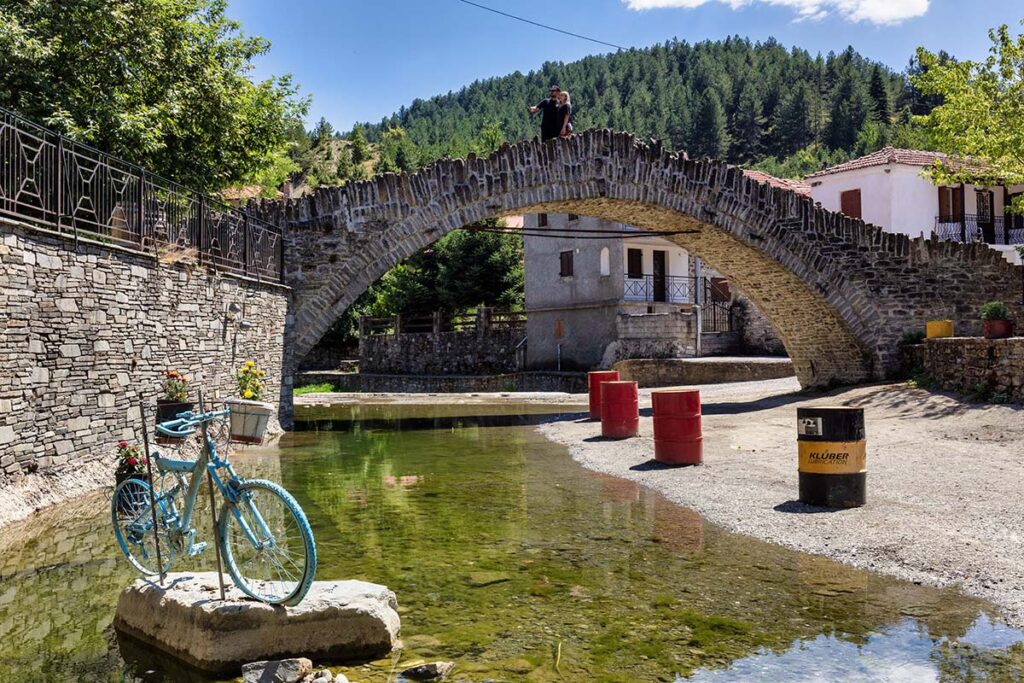
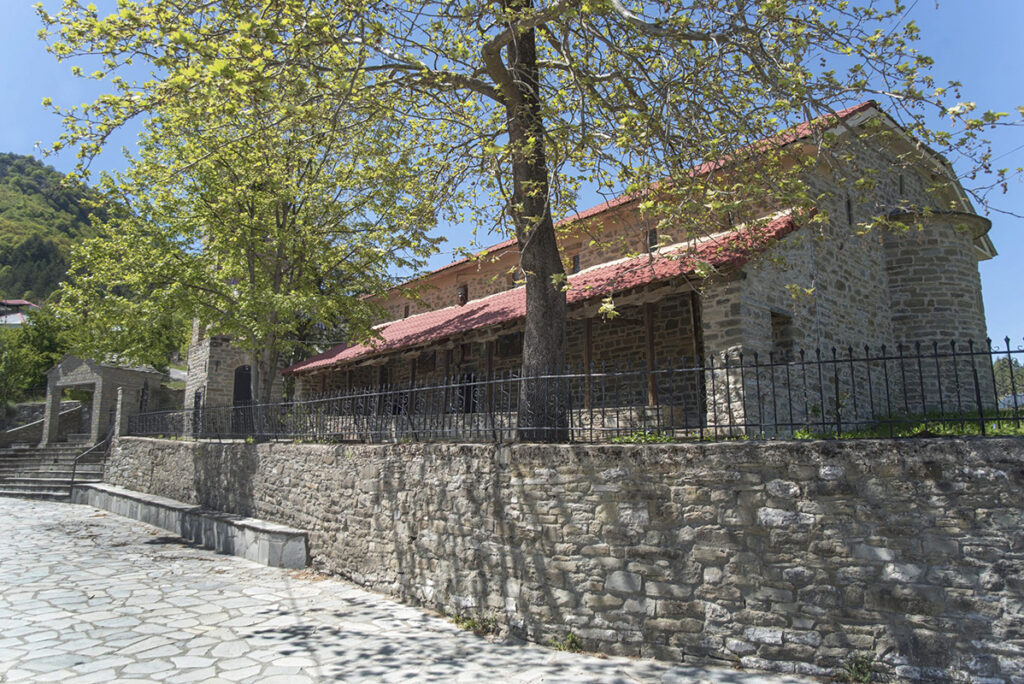
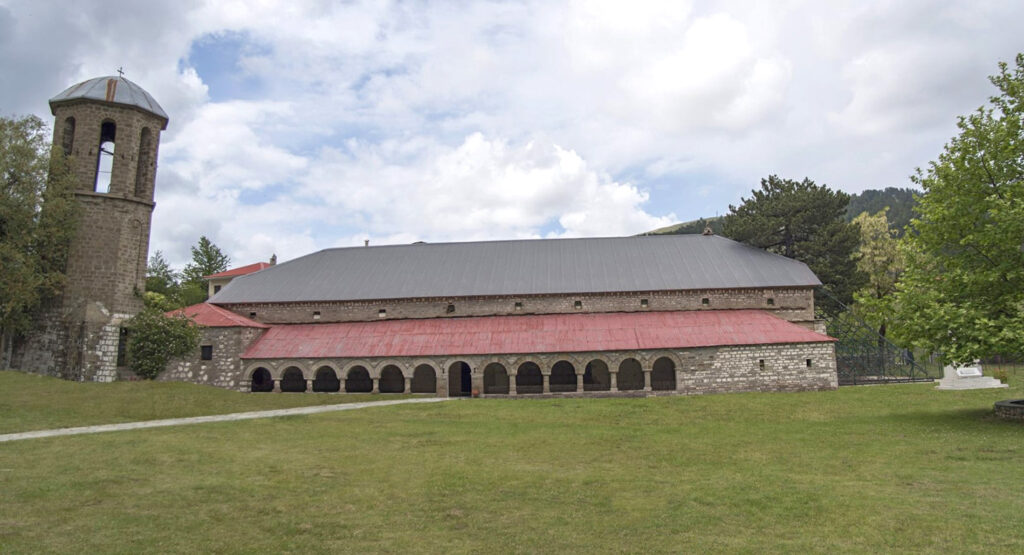
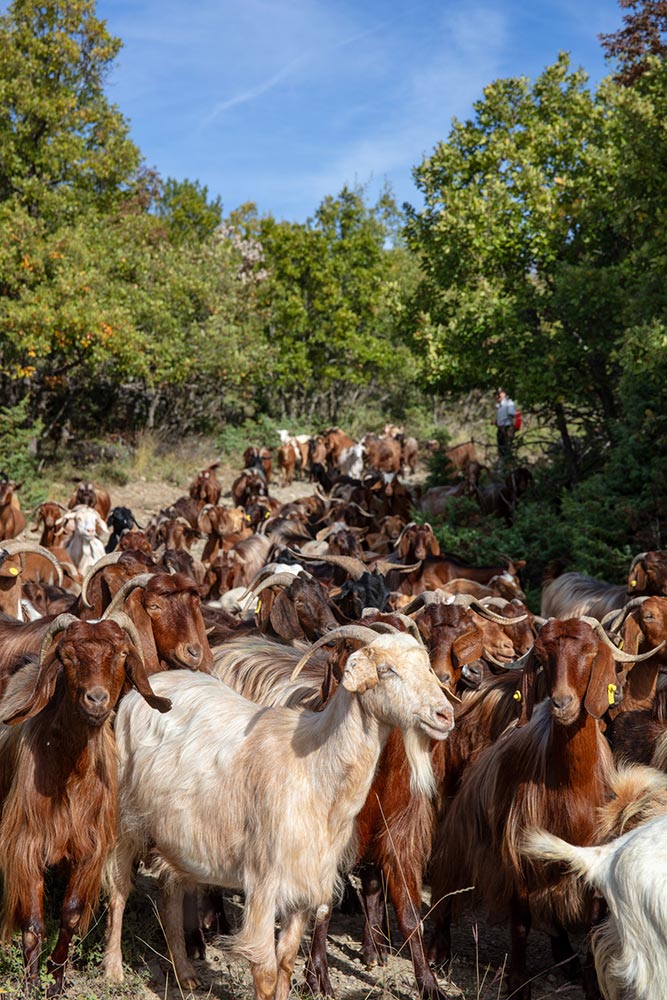
Among the mountains and ravines lie the legendary Vlach villages—the so-called “eagle nests” of the Pindus—as well as the lesser-known Koupatsovillages. During winter, their few residents will treat you to tsipouro, locally roasted meats, and traditional appetizers by the fireplace. In summer, the villages come alive with returning locals and visitors seeking cool mountain air, slow living, and authenticity. In Samarina, you will stand affront the picturesque churches of Mikri Panagia, Megali Panagia, and Agia Paraskevi, and observe traditional dristeles (water-powered fulling devices) and the mantani (a wooden mechanism used for washing and softening wool textiles). In Spileo, the charming settlement at 1,000 meters on Mount Orliakas, you will face a challenging yet pleasant dilemma: to head toward the famous Portitsa Bridge, or the Liatisas Bridge. In Dotsiko, transformed into a film setting by acclaimed director Theo Angelopoulos, you will enjoy a coffee at traditional cafés while admiring the village’s stone bridge — the sole stone bridge built within a residential settlement.

A haven for hikers, mushroom enthusiasts, and snow lovers

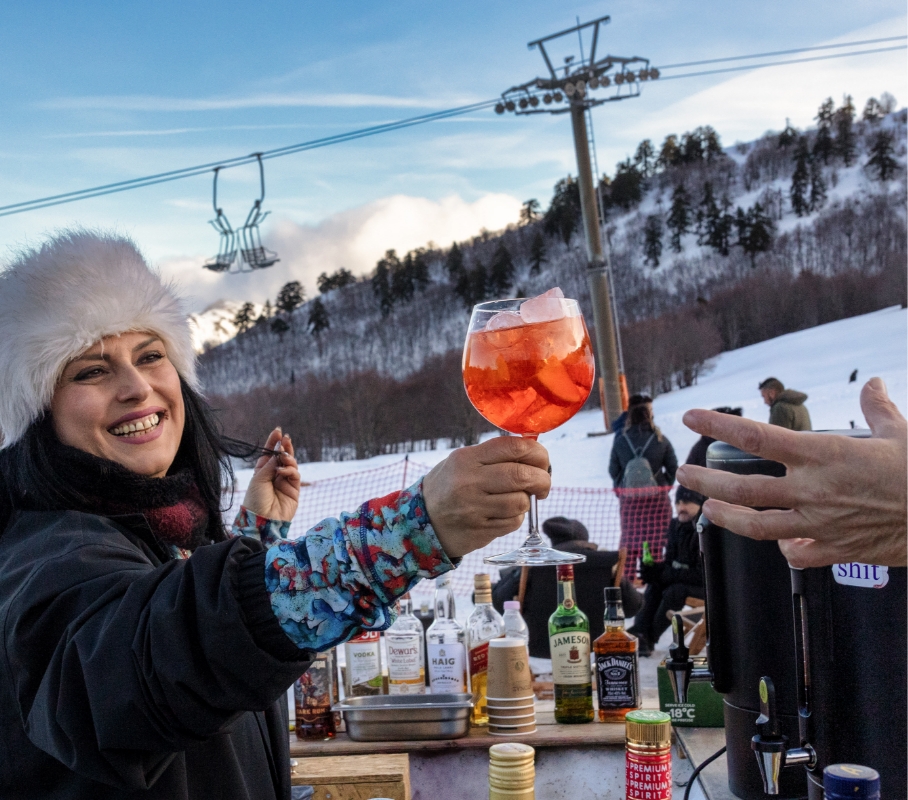
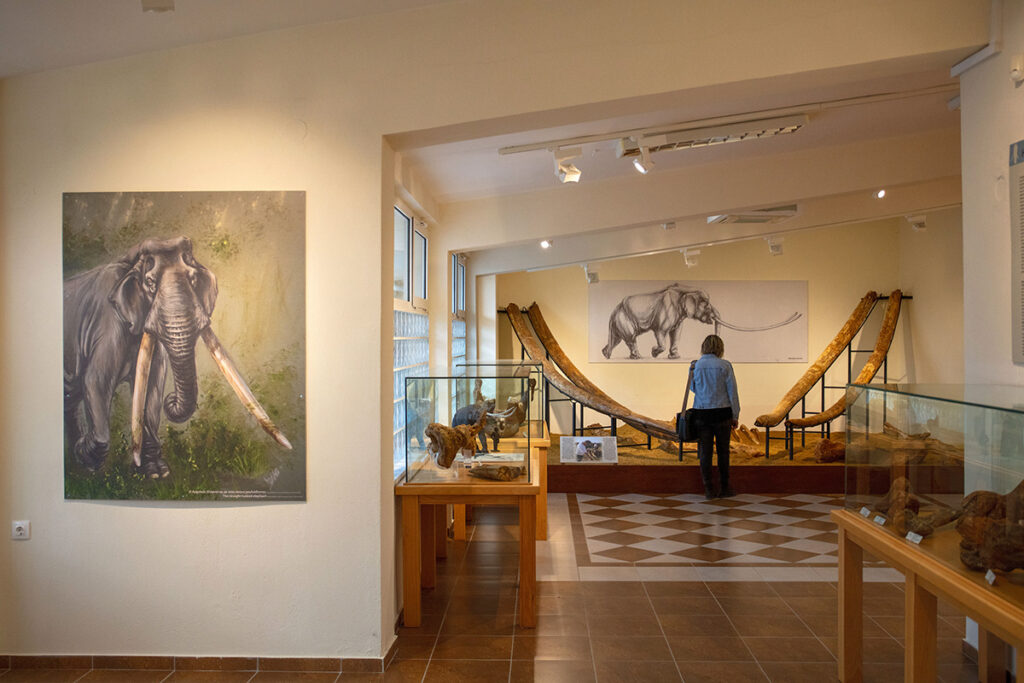
In Grevena, nature excursions blend seamlessly with traditional customs, outdoor recreation, and cultural events. From hiking trails and the Grevena–Kozani Geopark to the Vasilitsa National Ski Center, opportunities for exploration abound. If you seek distinctive experiences, this is the place to discover the wondrous world of mushrooms for which Grevena is renowned, as well as the impressive fossils exhibited at the Milia Museum — home to the largest mastodon tusks ever found in the world. It is an experience that will linger in memory.

A place that honors its past and present

Traveling through Grevena, you will discover a region that honors its roots and cultural heritage without neglecting its contemporary identity. From ancient customs and traditional festivals revived each year in the villages of the Pindus to modern cultural events, food celebrations, and music and film festivals, the area maintains a delicate balance between old and new. Here, tradition is not a museum relic but a living, everyday experience, while artistic events of all sorts (music, film, etcetera) further enrich the collective identity of Grevena. Grevena is an ideal destination for all seasons. Each one transforms the colors, scents, and energy of the landscape. Yet authenticity, tranquility, and heartfelt hospitality remain constant — unchanging elements of an unforgettable journey.

Stories spanning millennia etched along the trails of the Pindus

The centuries-long history of Grevena unfolds through the continuous passage of people and civilizations that left their traces on rocks, slopes, and mountain ridges, forming a precious tapestry that endures to this day.

The story of Grevena stretches back thousands of years, beginning in the Paleolithic period, with hints of human presence throughout the region. In antiquity, the area was divided between Macedonian Elimeia in the lowlands and Tymphaea of Epirus in the highlands. From Mount Vourinos to the peaks of the Pindus, settlements flourished, and during the era of the Macedonian kings, a network of fortifications was established to control the mountain passes.

During the Roman period, the region remained strategically critical, with fortresses restored and iron mines operating in the Lygkos area. In early Byzantine times, however, Grevena saw limited development. Slavic attacks of the 6th century and subsequent settlements in the following century created a rich cultural tapestry that would stay in the region for centuries.

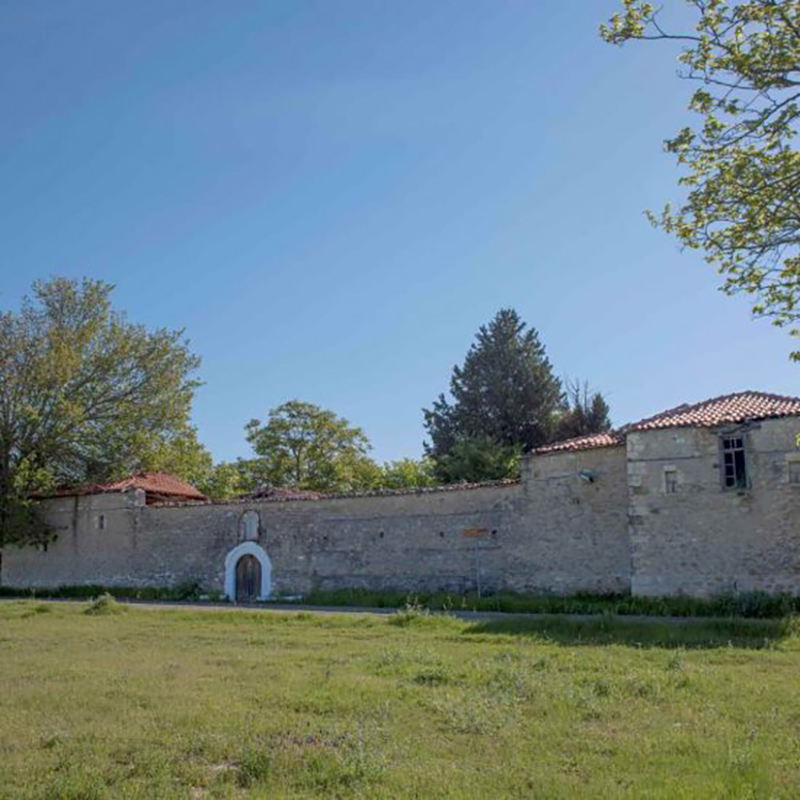
Following the Ottoman conquest at the end of the 14th century, Grevena became part of the Pashalik of Ioannina and later the Sanjak of Servia. In the 15th century, a new chapter began in the mountainous areas with the settlement of agricultural populations and Vlach nomads. Monasteries such as that of Saint Nikanor in Zavorda, a major religious center, strengthened spiritual unity and national consciousness.

In the 18th century, the region flourished with fairs, trade routes, and active muleteer networks. Spiritual awakening was significantly reinforced thanks to Saint Kosmas of Aetolia, who promoted education and the founding of schools, leaving a profound mark on the area.

During the 19th century, prominent local armatoloi (Greek guerrilla fighters) such as Theodoros Ziakas played major roles in early uprisings. In 1878, the region briefly declared its independence and was renamed as the “Autonomous Province of Elimeia”, while the region’s liberation came in October 1912, when the Greek army seized the city.

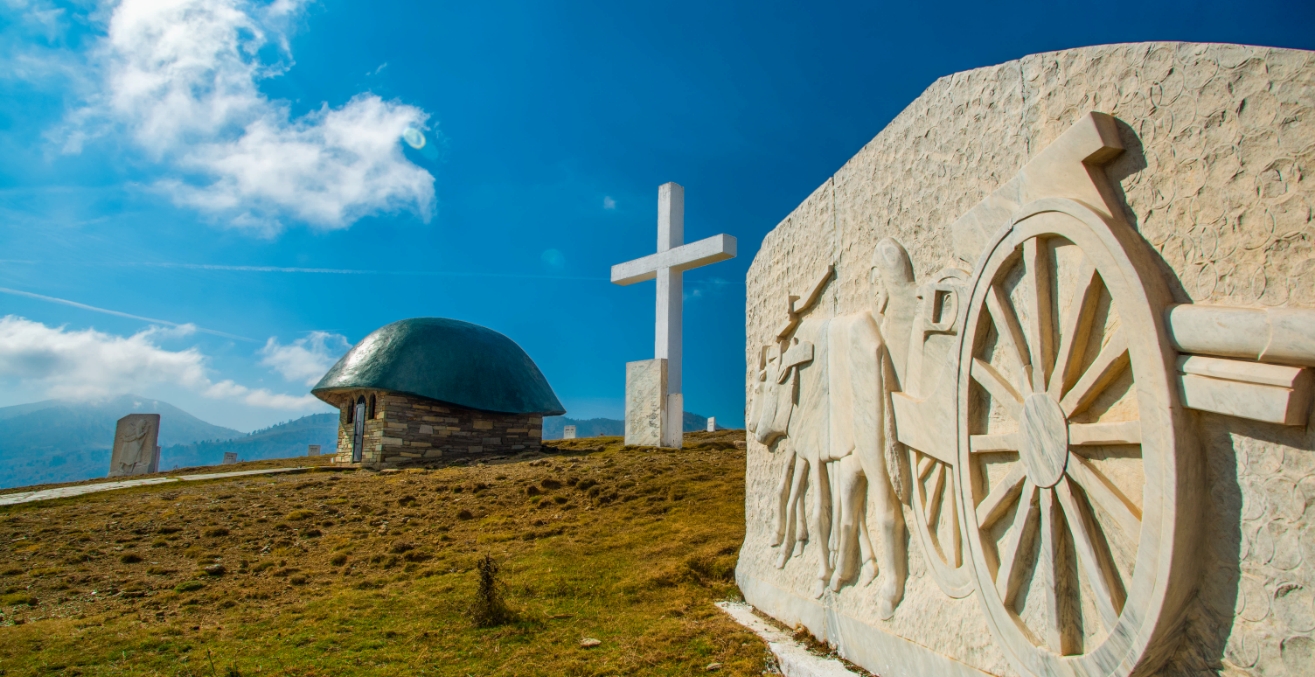
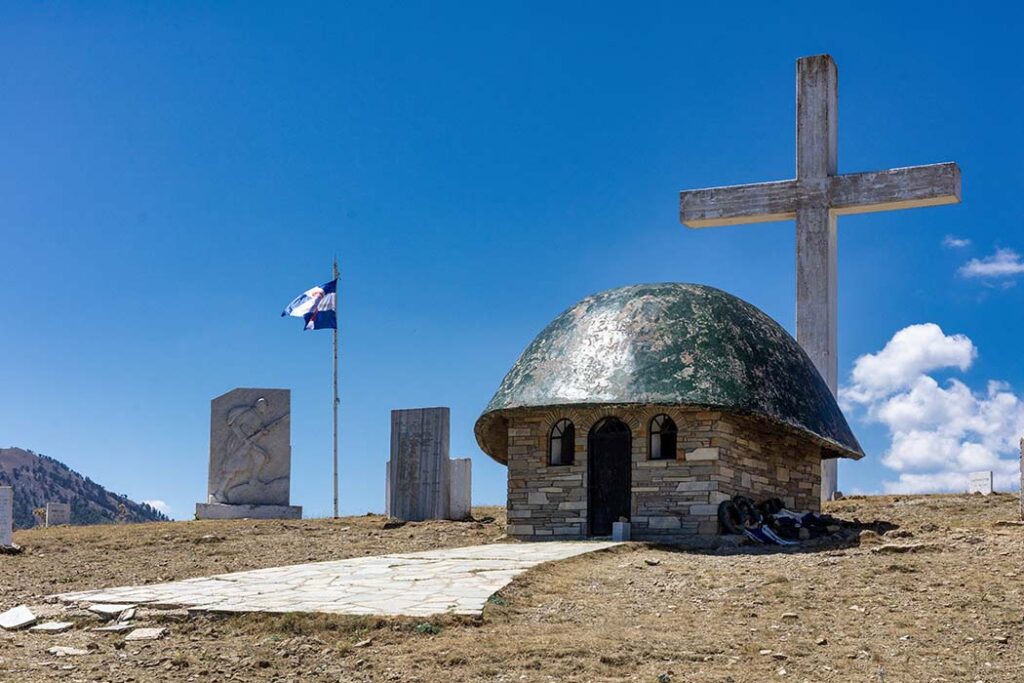
From that point onward, Grevena evolved steadily. During the interwar period, remittances from emigrants strengthened the local economy. In World War II, the region—supported by its mountainous economy and traditions—resisted and endured. In 1964, Grevena, which had previously belonged to the Kozani Prefecture, was recognized as an independent prefecture. Today, it stands as a living example of historical continuity and cultural resilience — a place where natural landscapes, tradition, and memory remain inseparably intertwined. Explore it, and you will sense this at every step.


Notable figures who left their mark

Beyond Saint Kosmas of Aetolia, the 18th-century national missionary, as well as the legendary chieftain Theodoros Ziakas, Grevena has produced significant figures such as the Manaki brothers, Ioannis and Miltiadis, from Avdella — pioneers of photography and cinema in the Balkans; Metropolitan Emilianos, a symbol of the Macedonian Struggle who was assassinated in 1911; the merchant and politician Georgios Bousios; Konstantinos Taliadouris, a refugee from Eastern Thrace who played a leading role in establishing the Prefecture of Grevena; and Konstantinos Karapatakis, teacher and folklorist. Grevena is also the hometown of Miltiadis (Miltos) Tentoglou, Olympic gold medalist and world champion, a modern icon of strength and inspiration.
Rich traditions that live on to this day

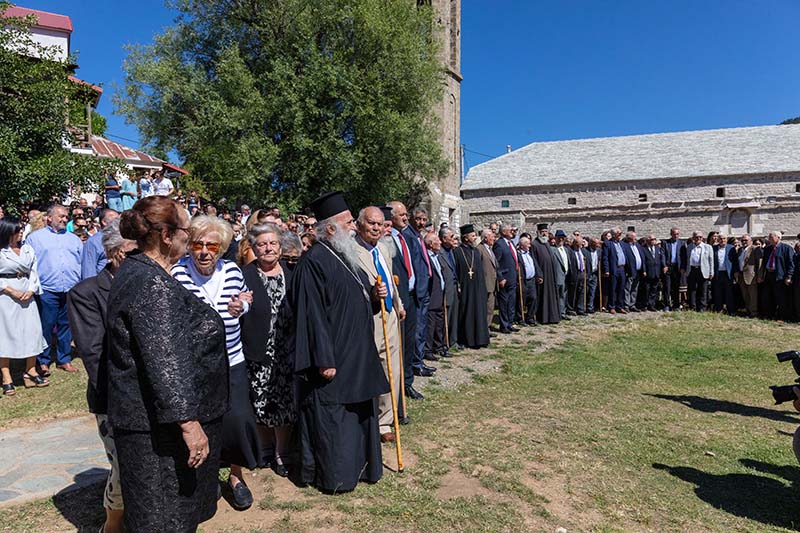
In Grevena, tradition is not a vague memory of the elderly, but a living reality. Experience it firsthand in villages and neighborhoods that preserve their ancient customs intact and invite you to become part of them, regardless of the season.

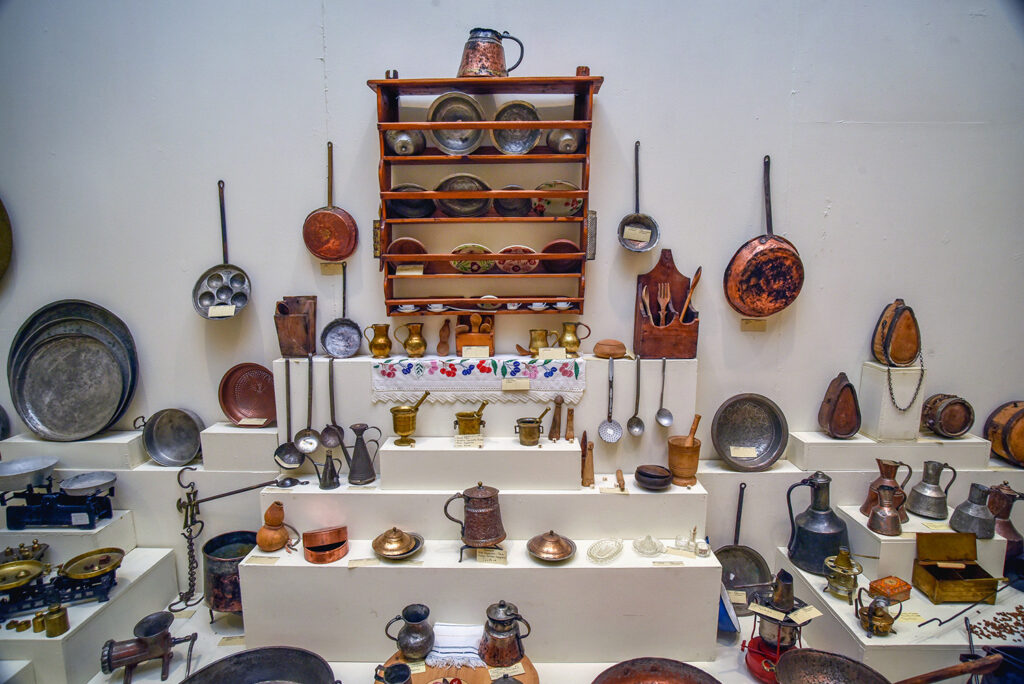
Cultural Heritage

Everything you shouldn’t miss in Grevena

In Grevena, celebrations and festivals follow one after the other, creating a continuous circle of enjoyable experiences. From film and music festivals to nature-based activities, food-centered celebrations, and Carnival events, every season awaits you with something unique.

Time for action!

In Grevena, nature becomes a unique playground of experiences for all. From high-energy adventure activities to relaxed explorations and family-friendly escapes, whatever you may be seeking on your journey, you can experience here at your own pace.

A journey into the flavors of Grevena

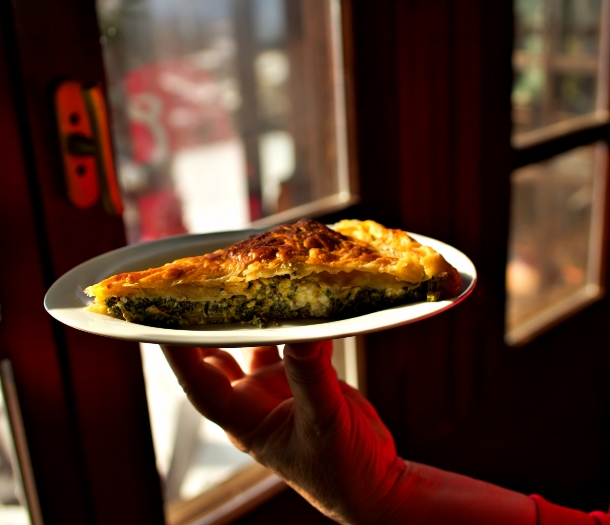
The cuisine of Grevena is a journey into the land itself: into the habits of its people, the fruits of its mountains, the raw ingredients offered by its upland soil and the dedication of its locals. An authentic, rich culinary experience, deeply connected to the life and rhythm of the region awaits you in every dish.

This site is registered on wpml.org as a development site. Switch to a production site key to remove this banner.