Municipality of Kastoria
A real-life painting around the lake
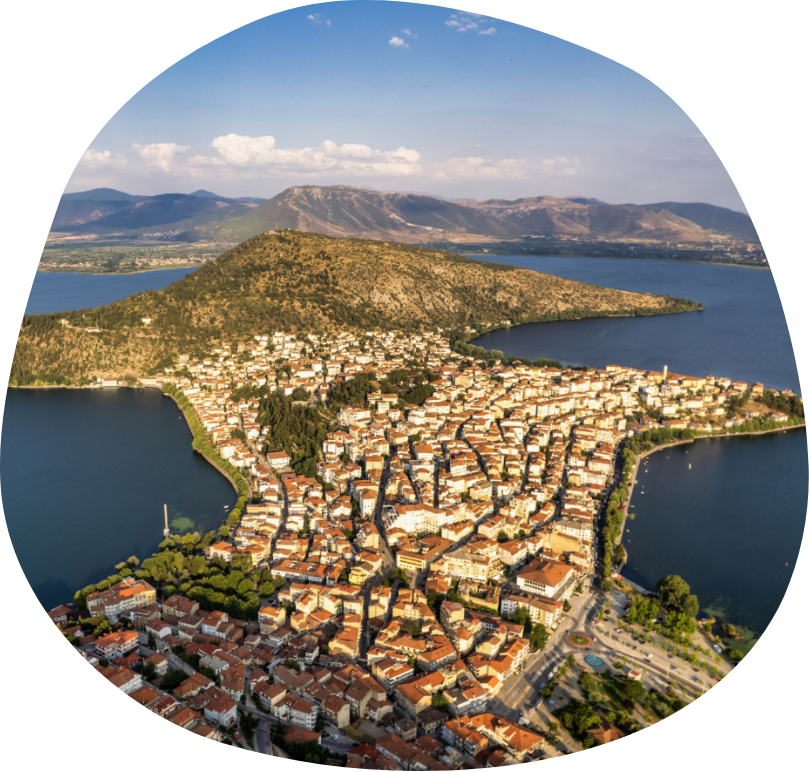
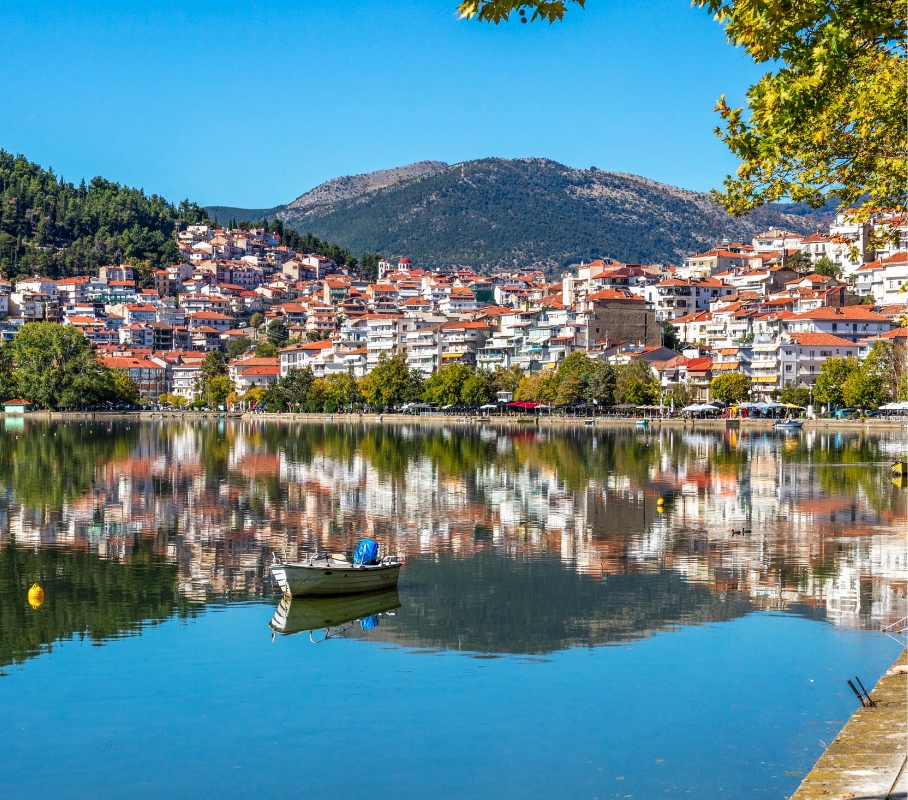
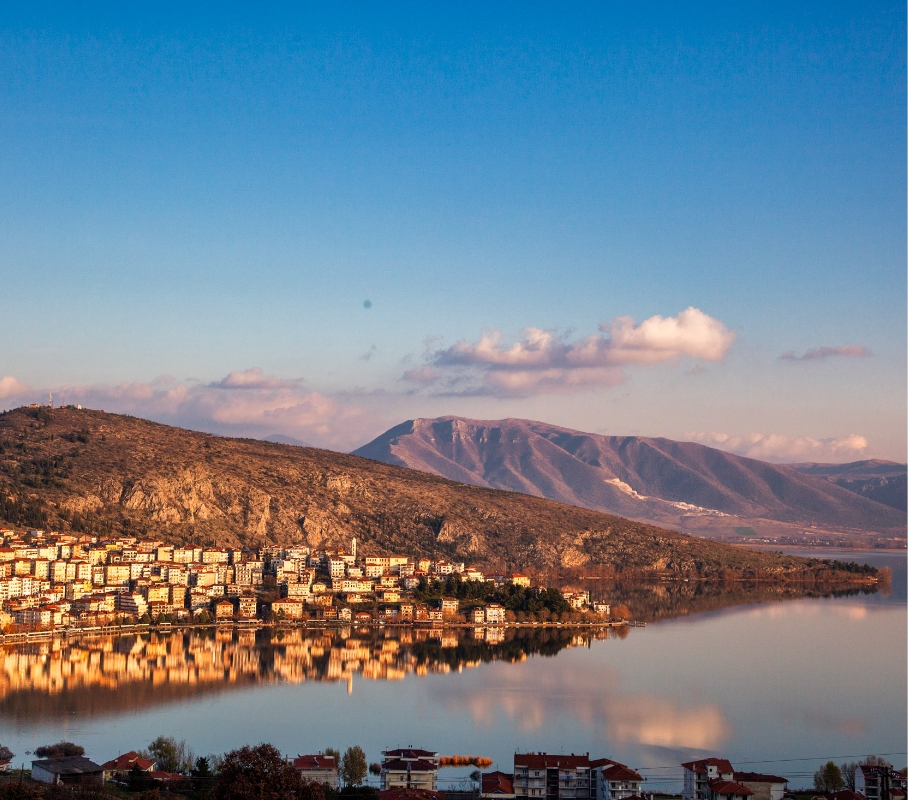
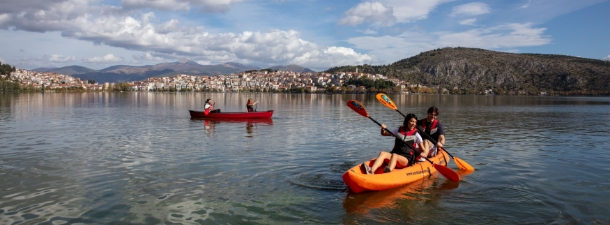
Nestled in the embrace of the Gramos and Vitsi mountains, Kastoria unfolds like an impressionist painting by a great artist: meticulously crafted down to the finest detail. With Lake Orestiada—one of the most beautiful lakes in Greece—at its heart, it is an ideal base from which to explore the natural beauty and rich history of the entire Municipality.
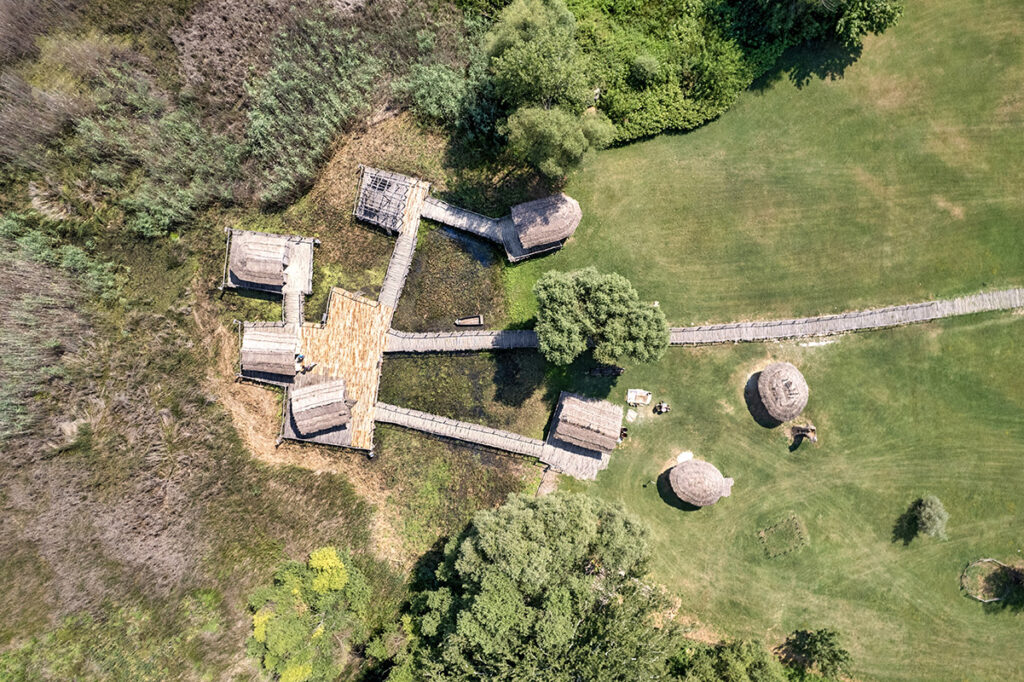
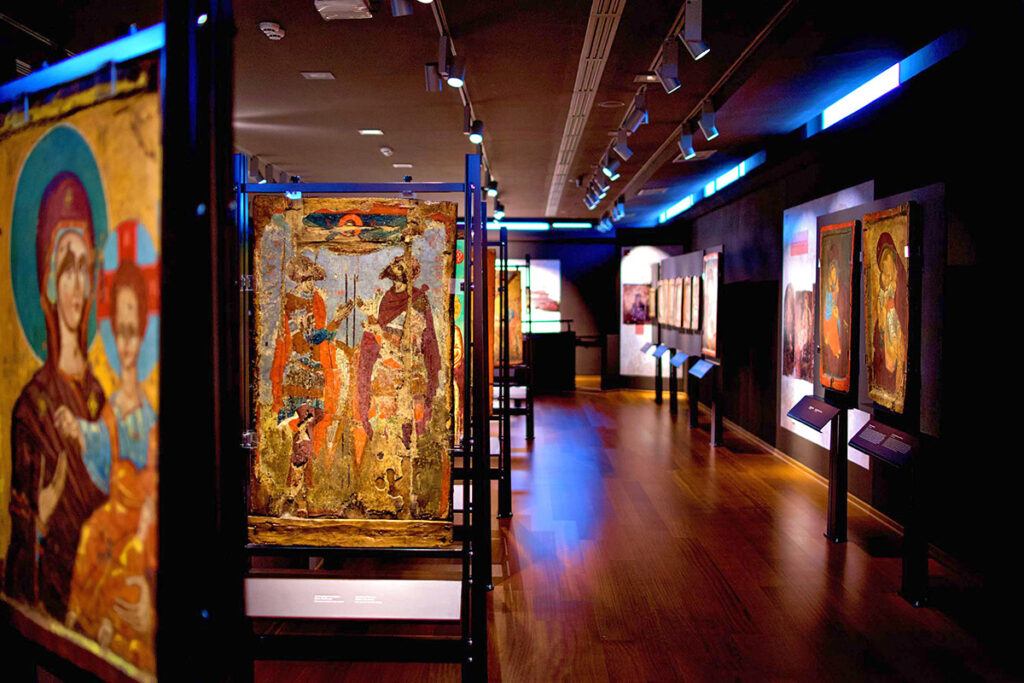
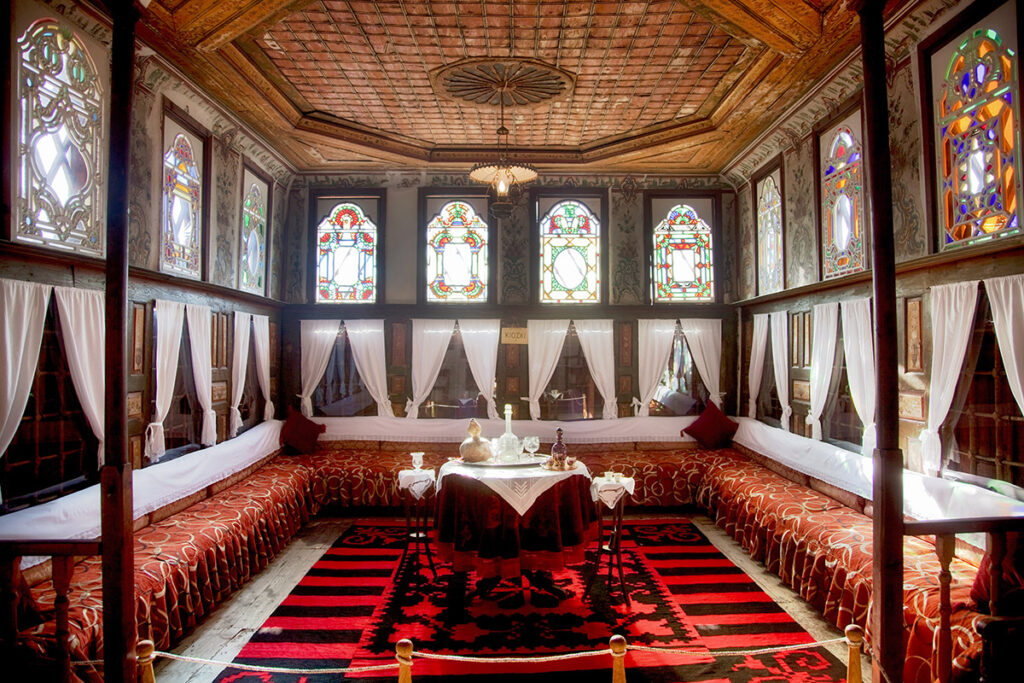
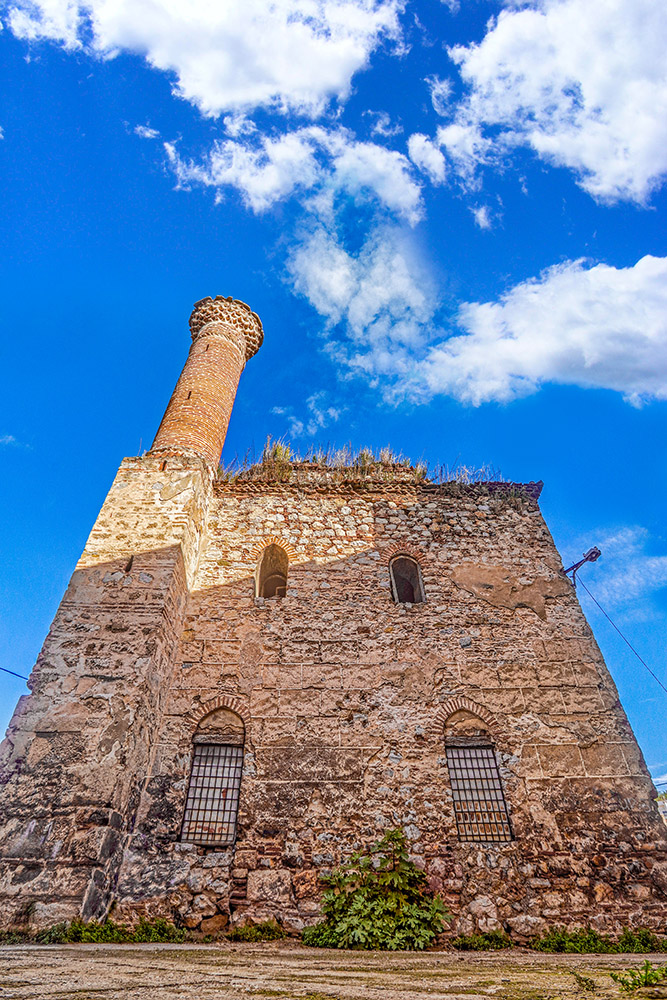
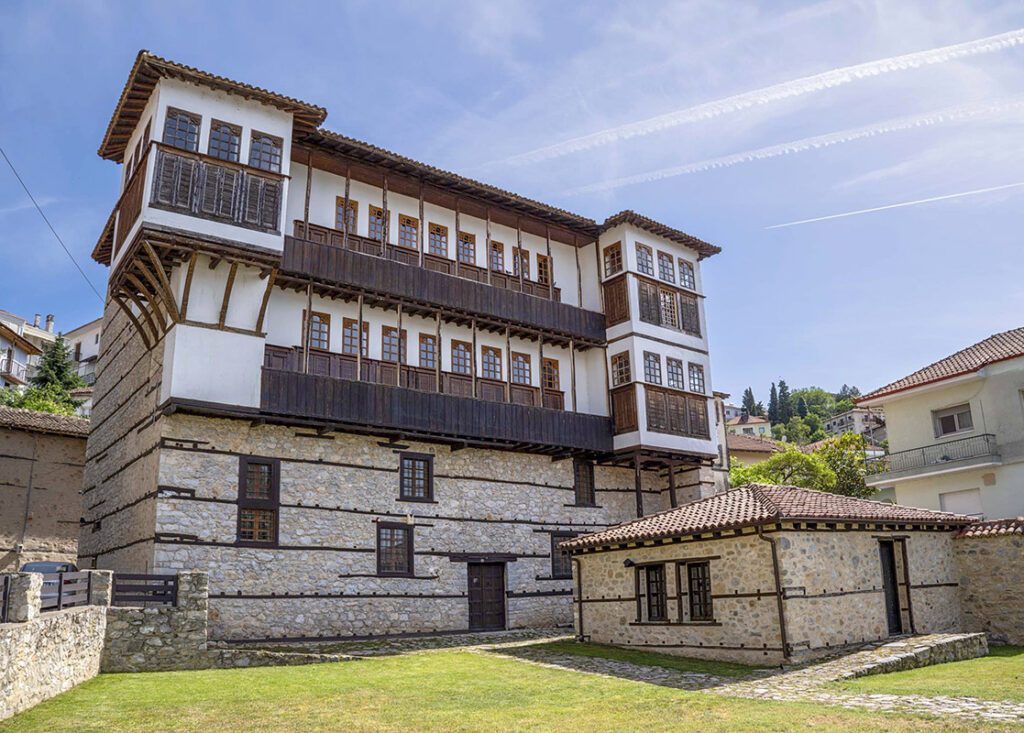
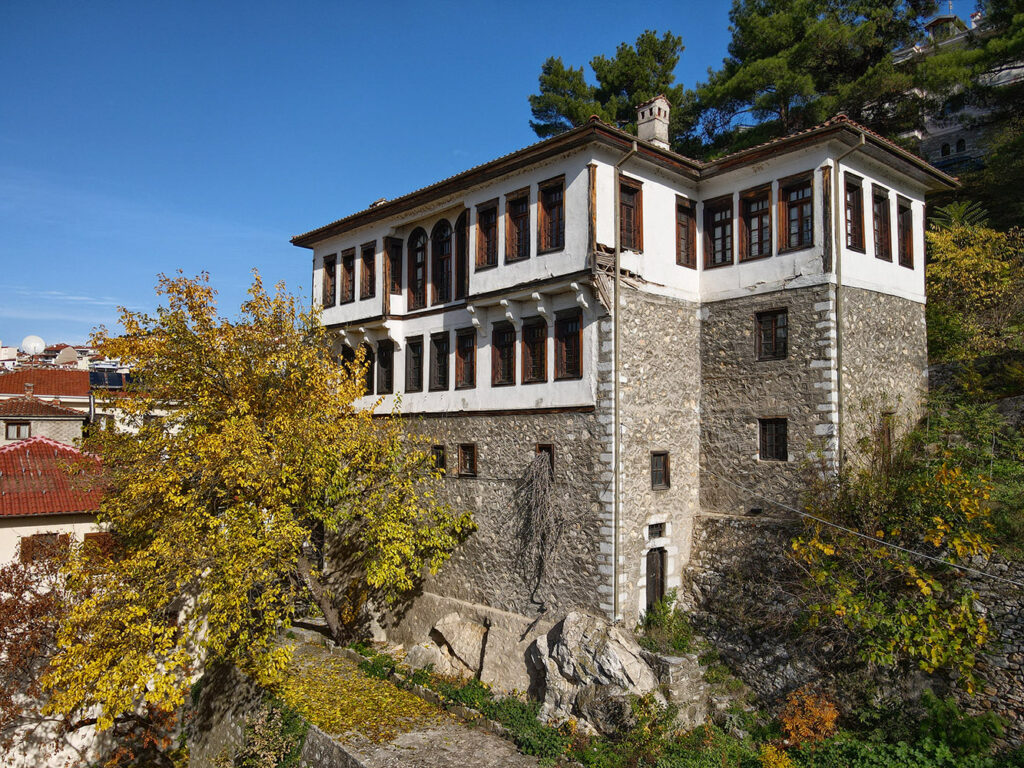
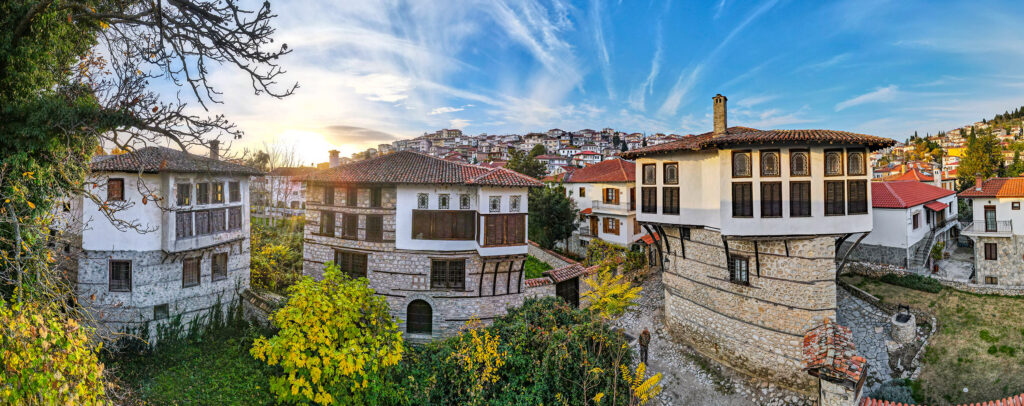
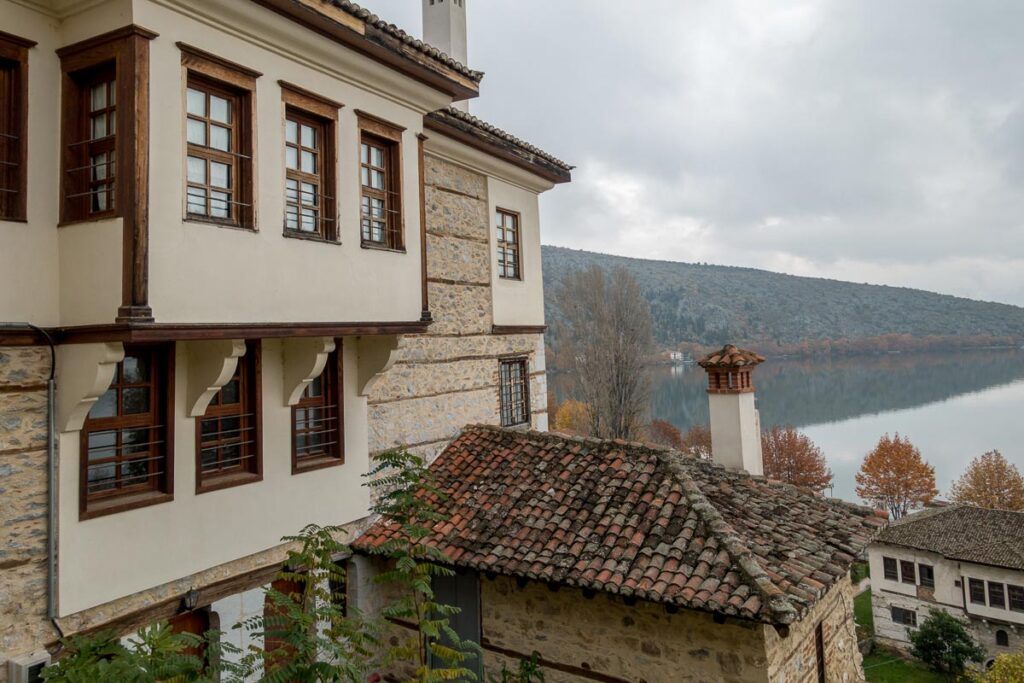
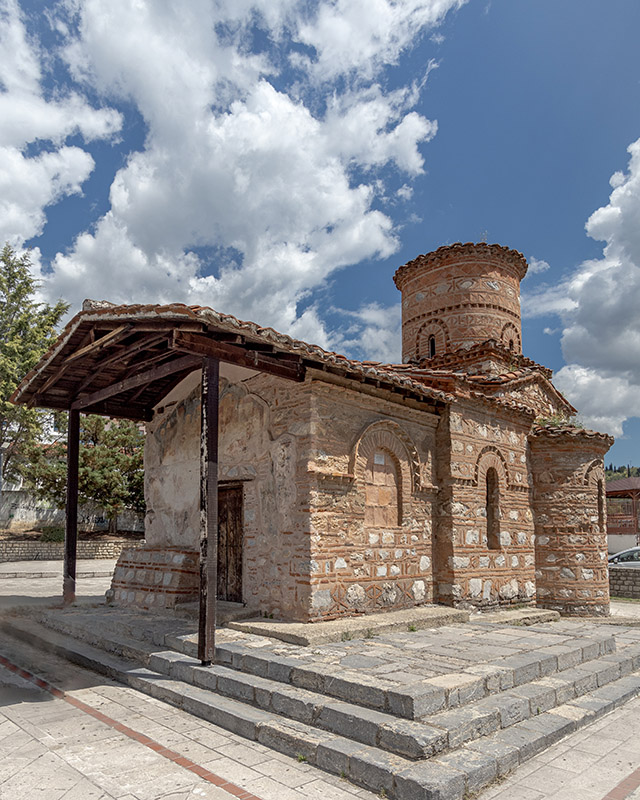
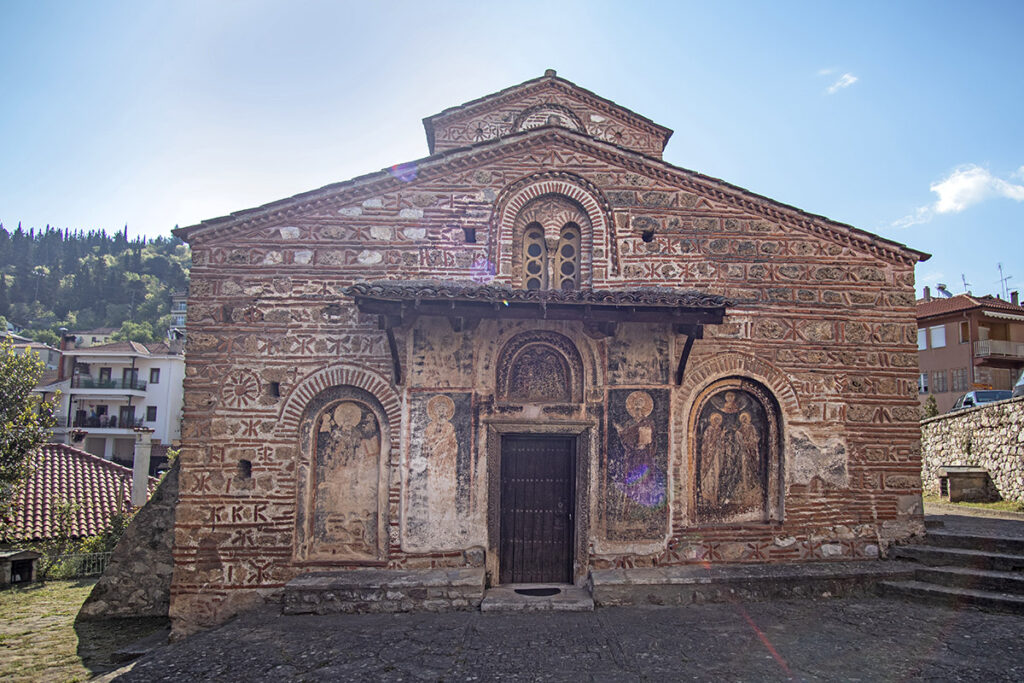
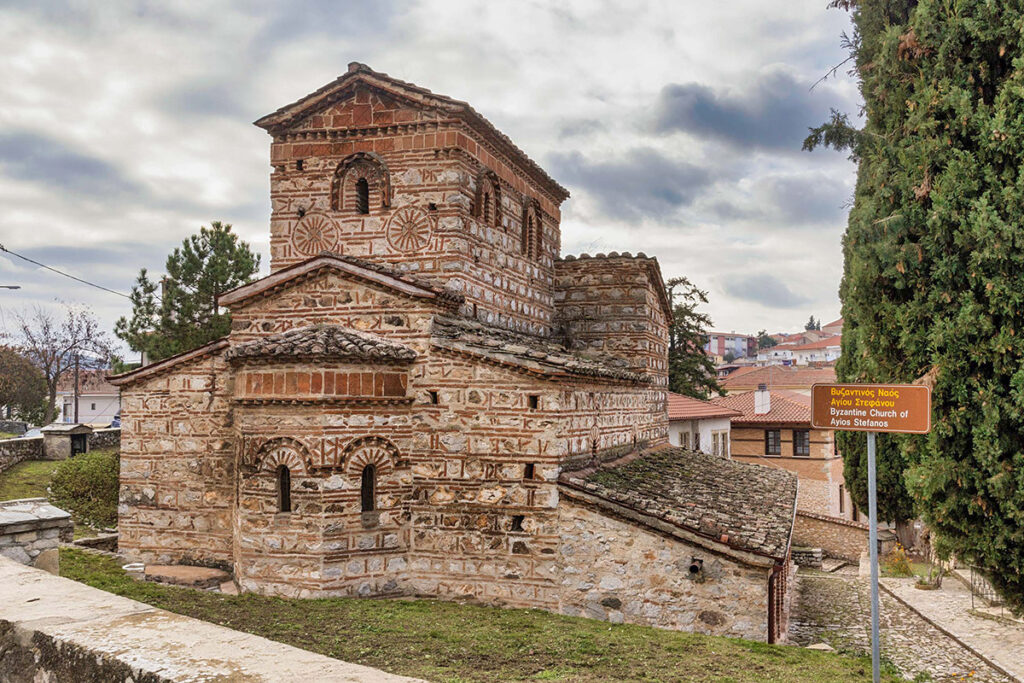
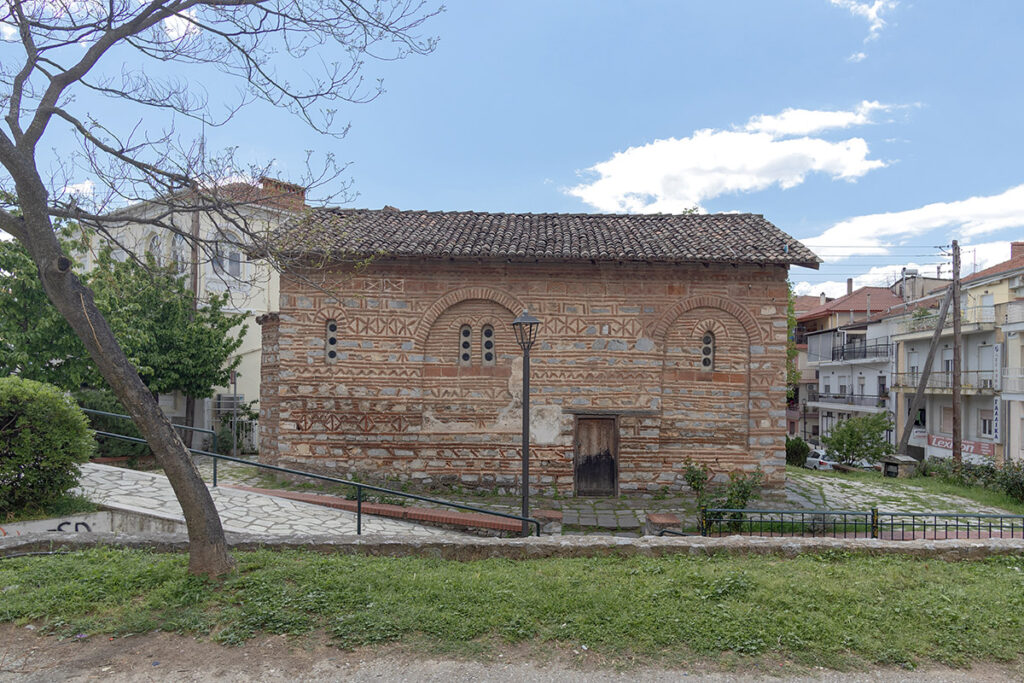
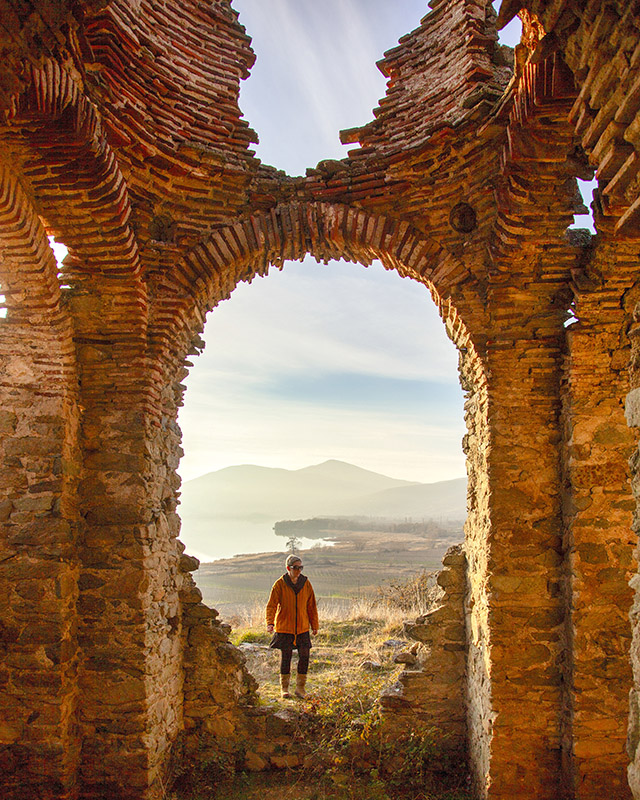
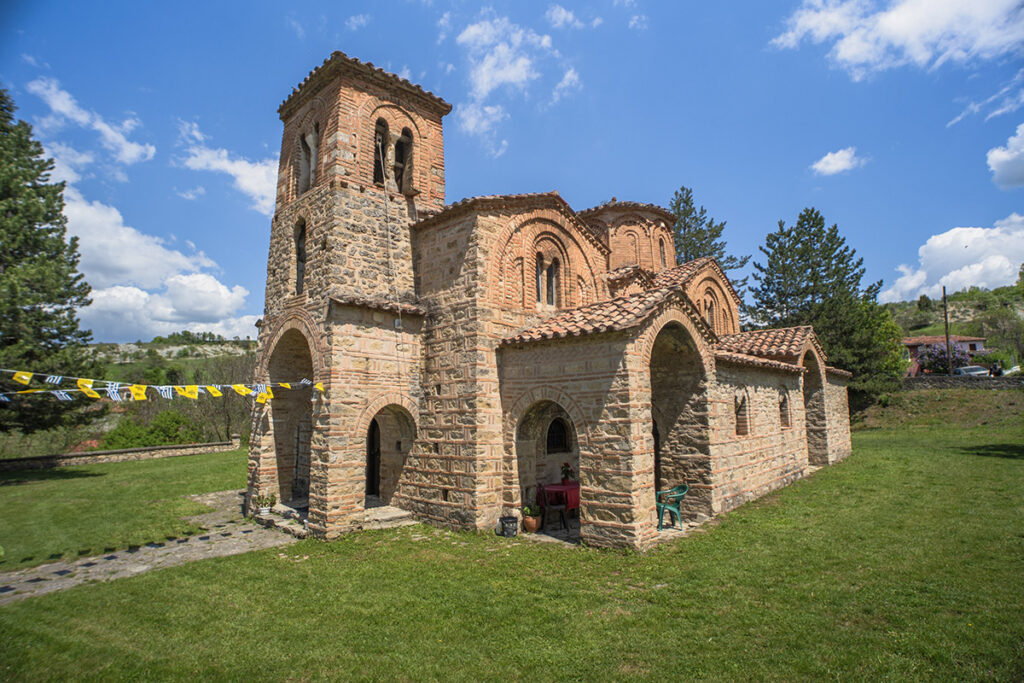
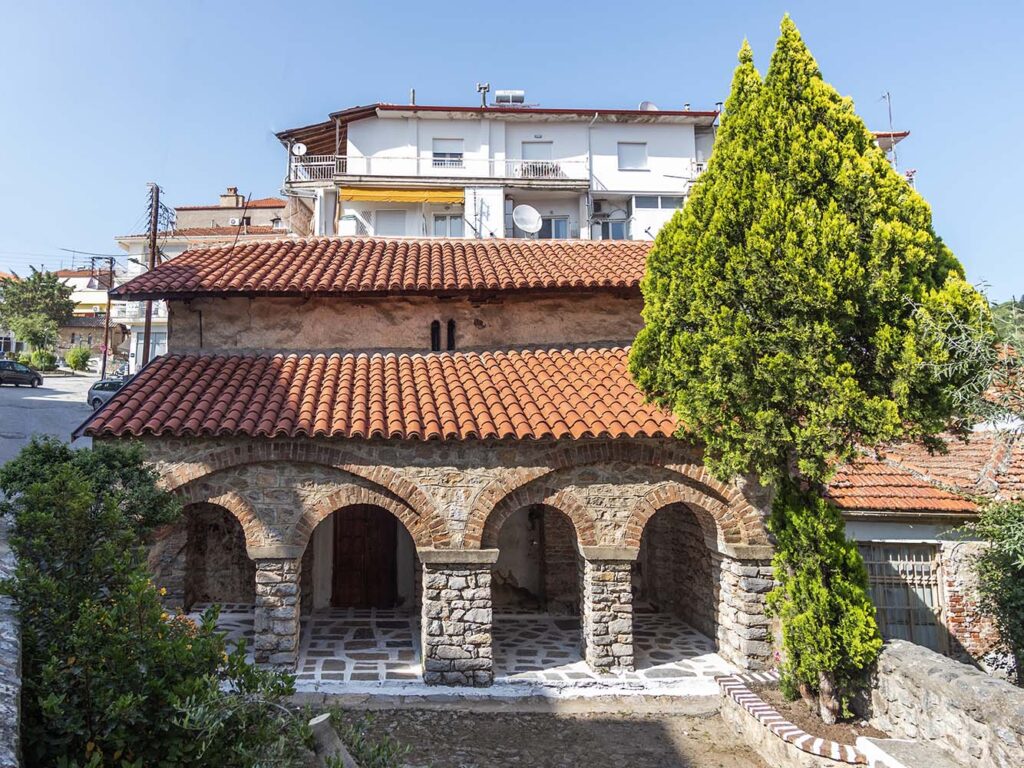
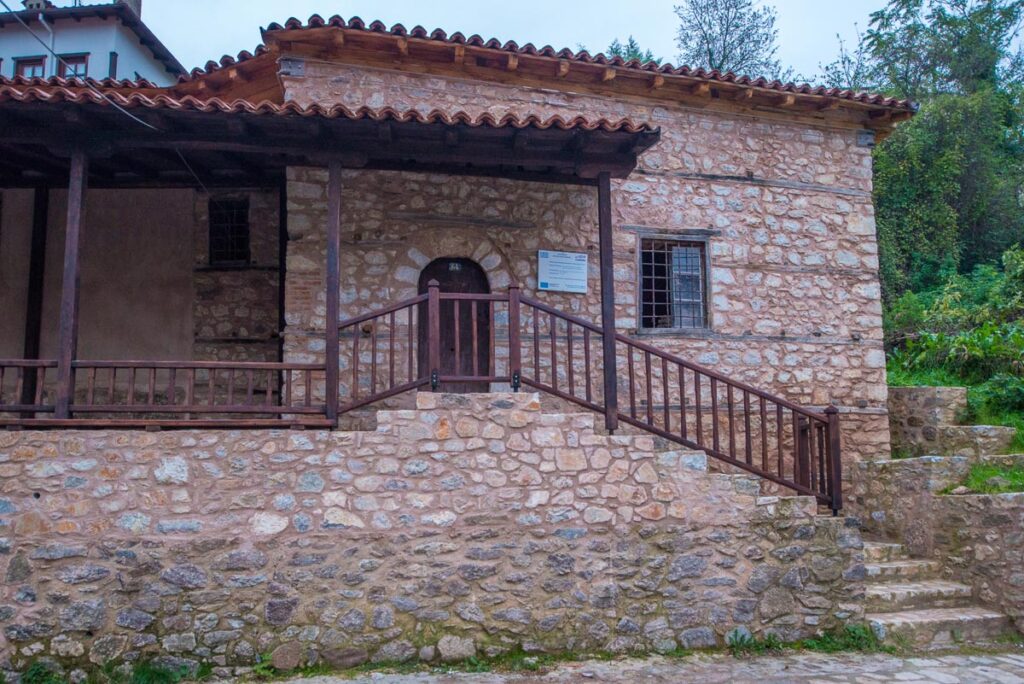
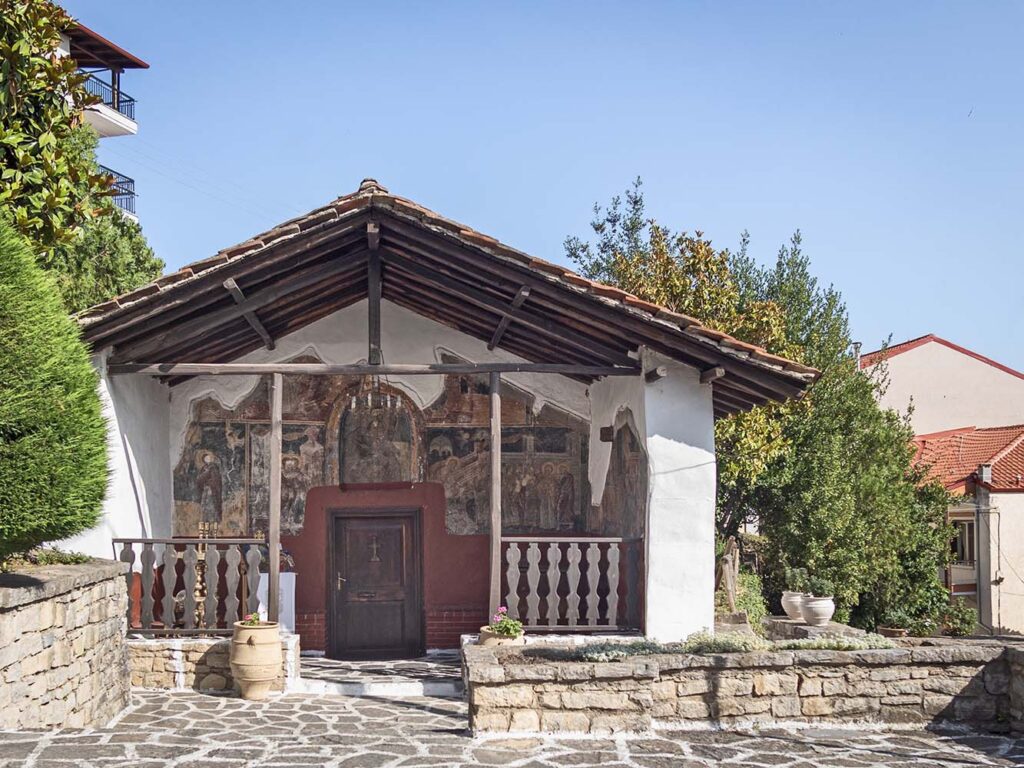
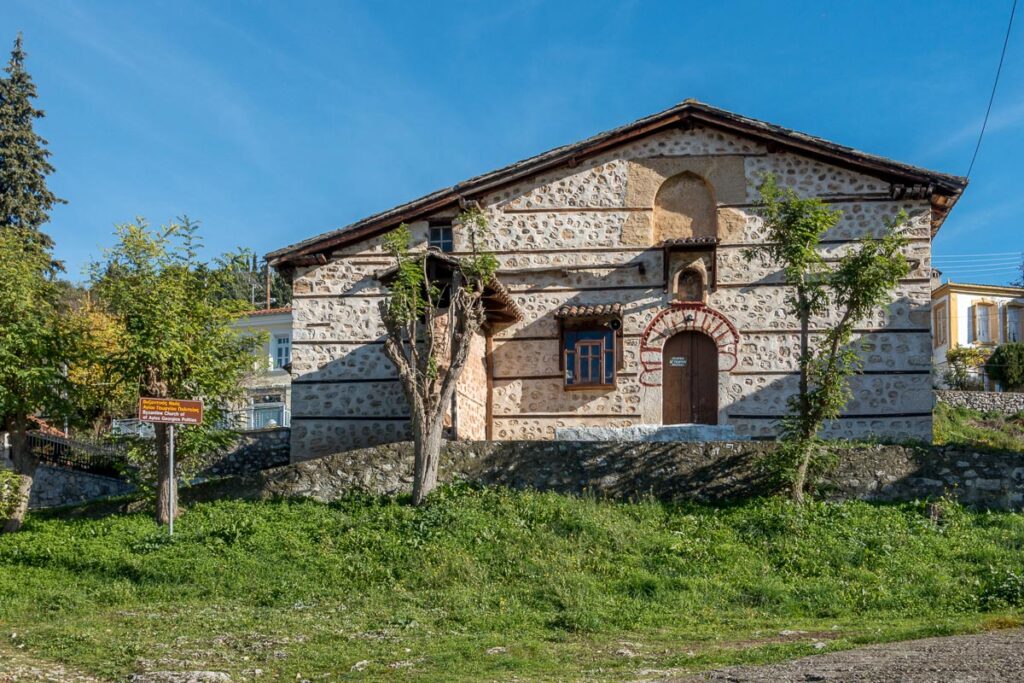
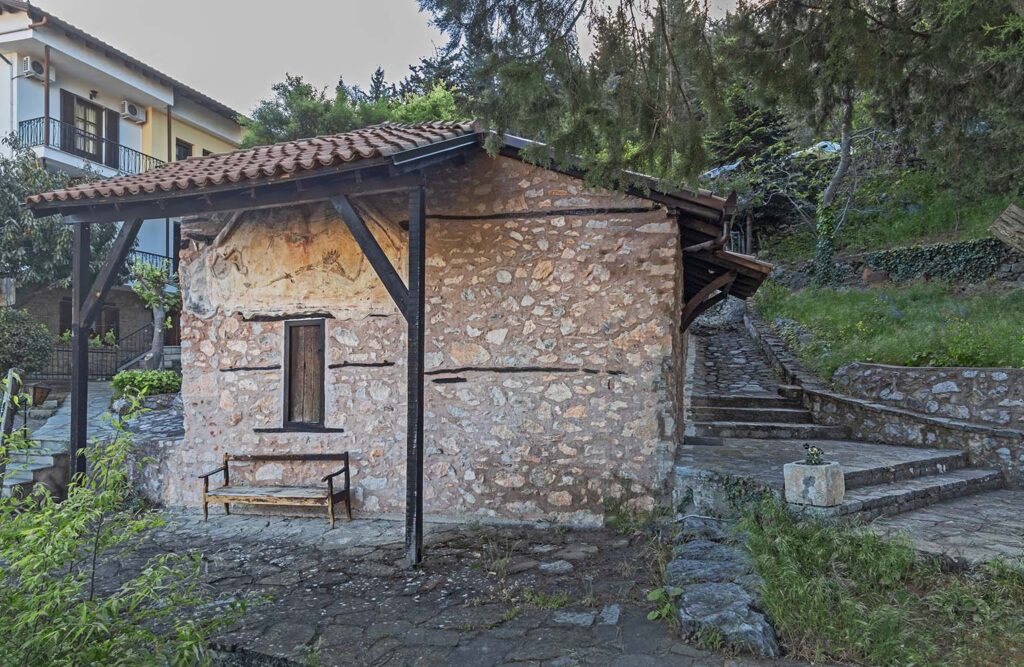
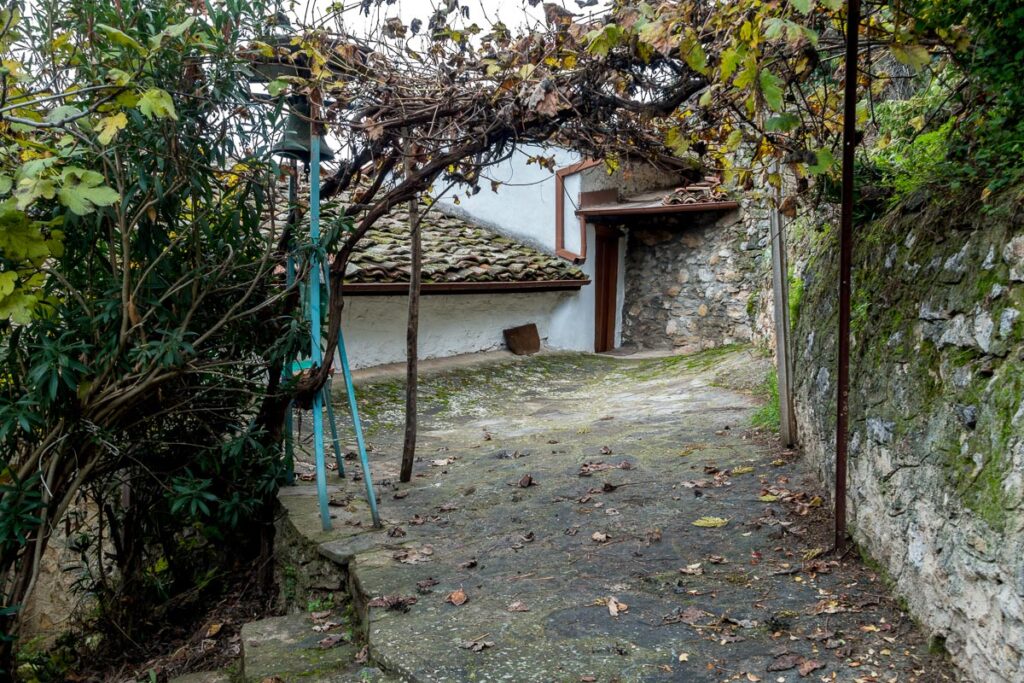
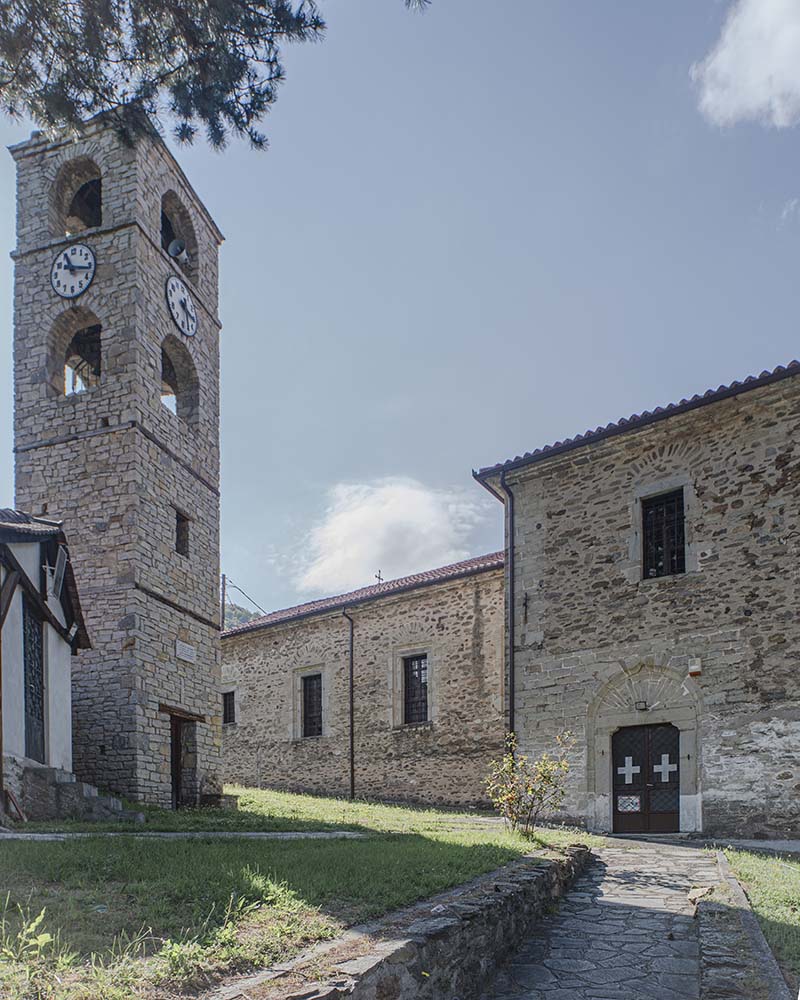
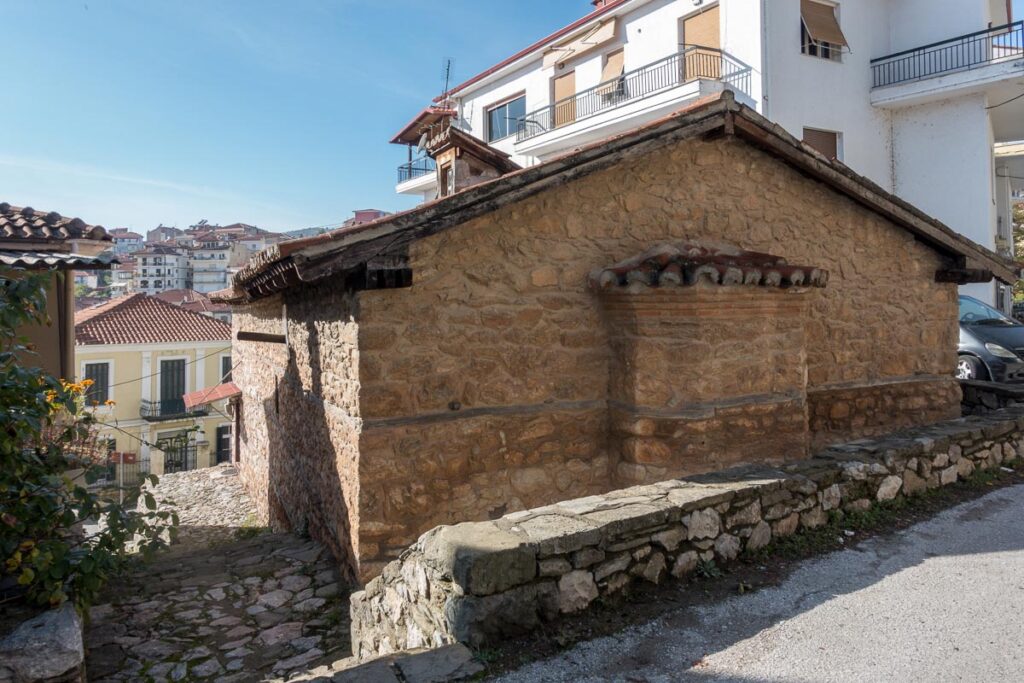
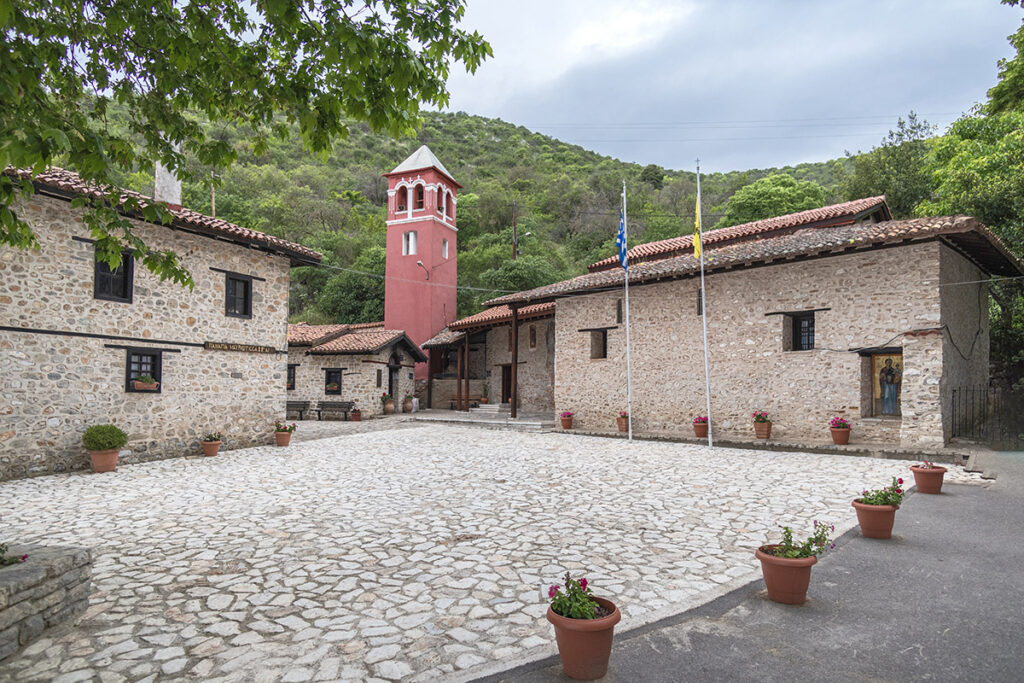
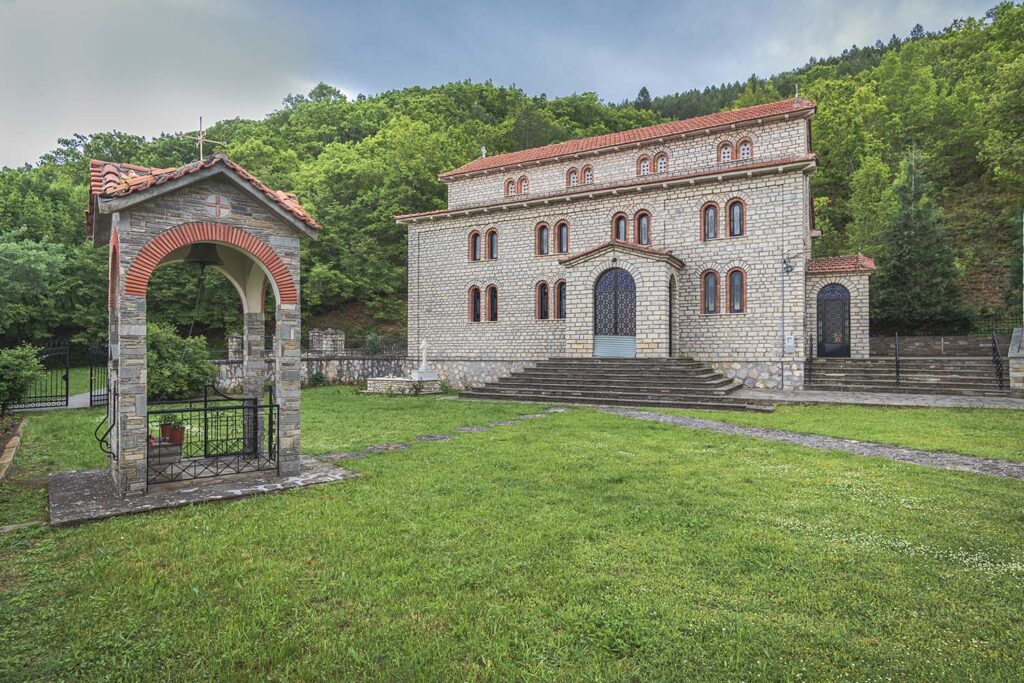
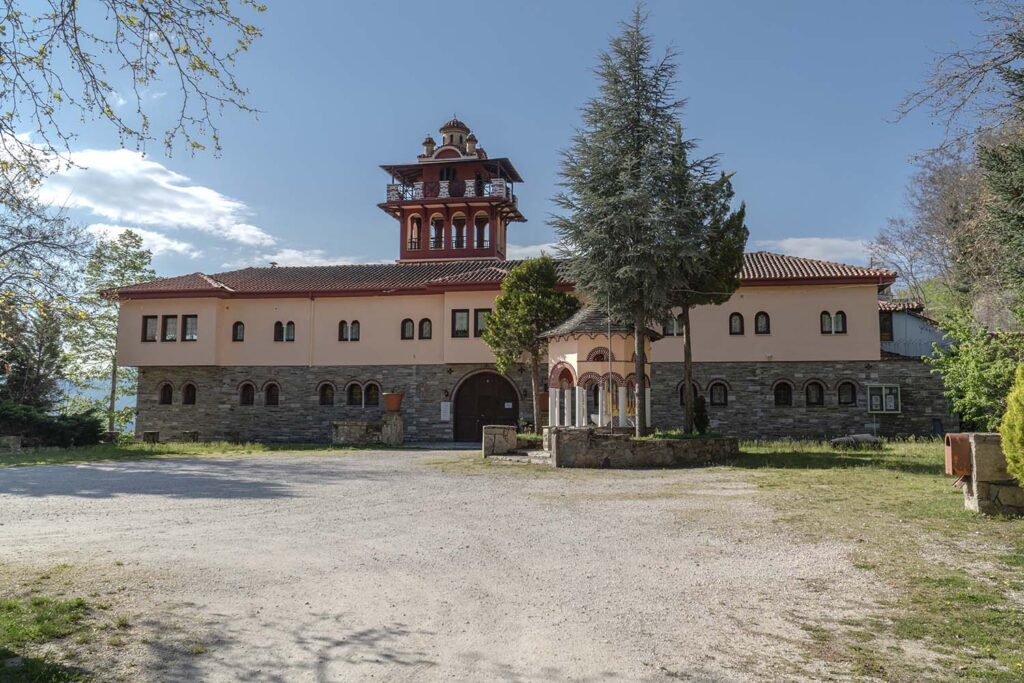
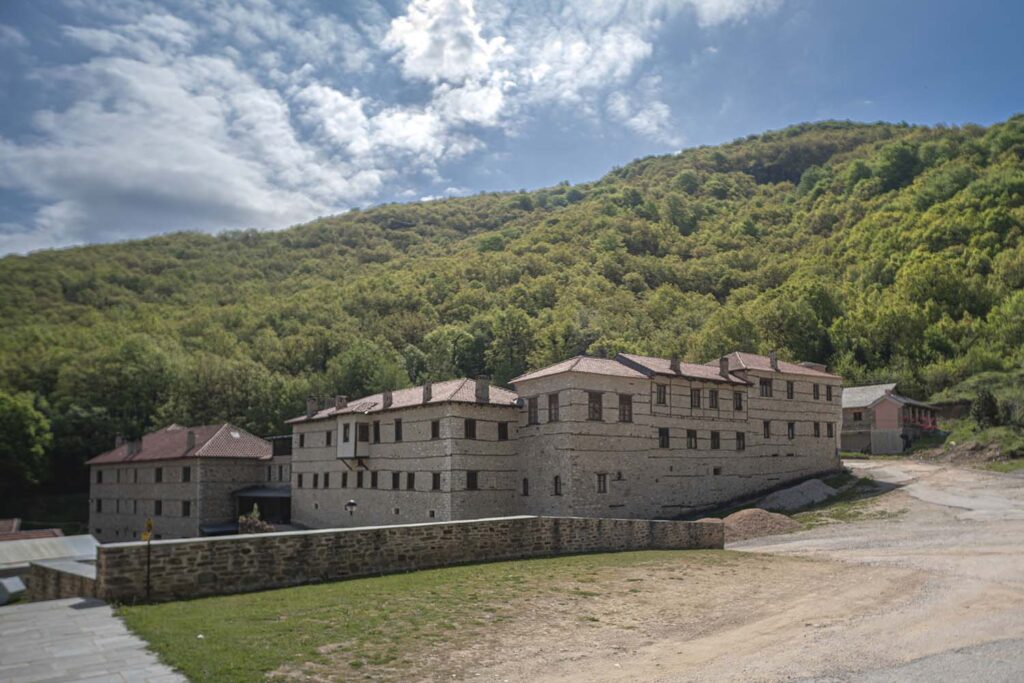
The Municipality of Kastoria is rightly considered among the most popular destinations in Western Macedonia. With the town of Kastoria as the most ideal starting point, you shall soon discover a unique tapestry of picturesque settlements, Byzantine churches, monasteries, and archaeological sites in a welcoming land that combines natural grandeur with historical continuity from the Neolithic Era to the present day. The lakeside town and seat of the Municipality of Kastoria, with its colors, reflections on the water, famous mansions, picturesque neighborhoods, stone-paved alleys, and romantic atmosphere, will effortlessly captivate you at first glance. As you explore further, you will realize that Kastoria resembles an “open-air Byzantine museum”, as history and spirituality meet art and architecture at the city’s dozens of Byzantine churches.
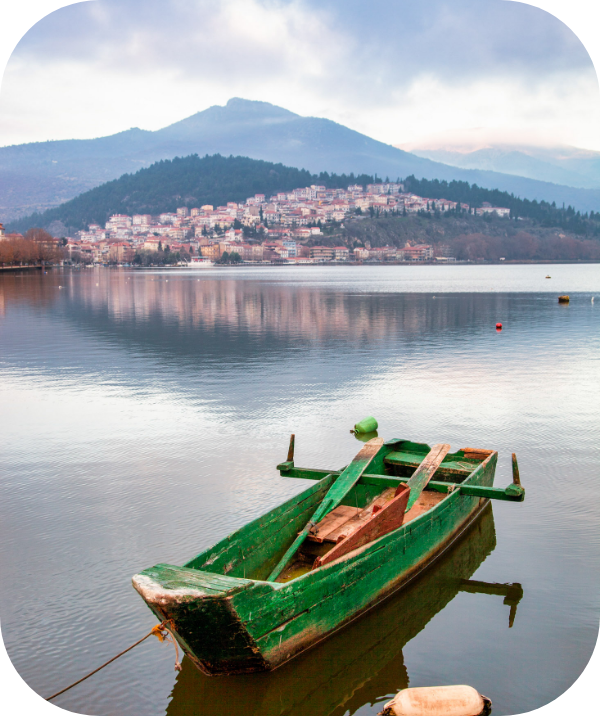
Around the tranquil lake and on the mountain slopes, you will discover lakeside settlements and mountain villages such as Aposkepos, Kefalari, and Sidirochori, each vying to offer you the most impressive view. If you love winter sports, the slopes of Mount Vitsi await you in winter for skiing and snowboarding. If, on the other hand, you are a relaxation aficionado, you can enjoy the enchanting panorama of the lake and the forested mountains, or visit Polykeraso, with its striking architecture—the only officially designated traditional settlement in the Regional Unit of Kastoria.
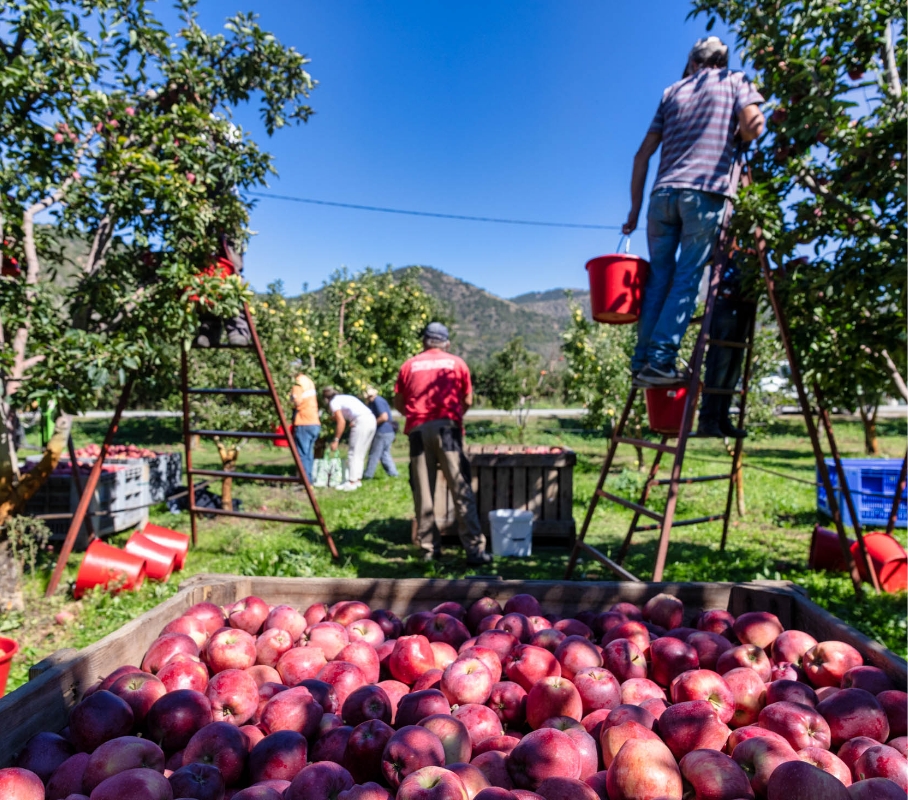
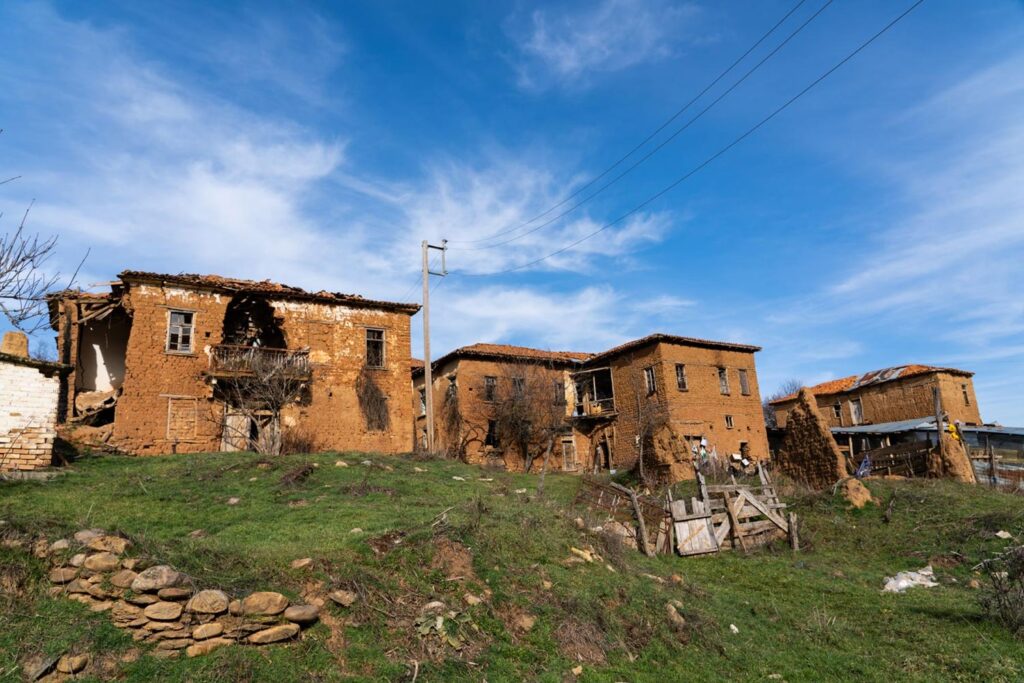
Dare to follow the course of the Aliakmonas River as it crosses the Orestida plateau on a unique road trip, irrigating fertile farmland and imprinting the marvelous changes of the seasons along its banks. Prepare to be deeply moved in the martyr town of Kleisoura—birthplace of Saint Mark and homeland of scholars and merchants—which remains a symbol of memory and resilience after its double destruction by the Ottomans and the German troops. A beautiful surprise also awaits you in the cinematic setting of Koresteia, the reddish “brick villages” that quite deliberately starred in unforgettable scenes of cinema and television. Two of the region’s most hidden gems, in a captivating natural landscape full of contrasts, can be found in the Koromilia Gorge with the Ladopotamos stream, and in the alpine Lake Oktara at Mali Madi.
Kastoria tells its story – From the Byzantine fortress town to the modern lake city
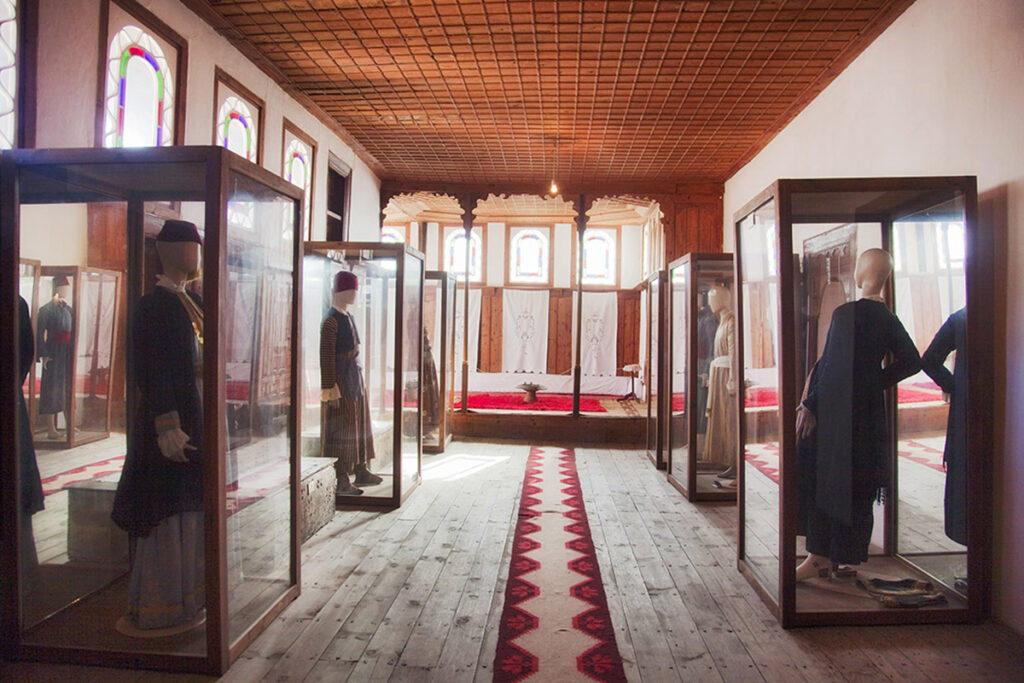
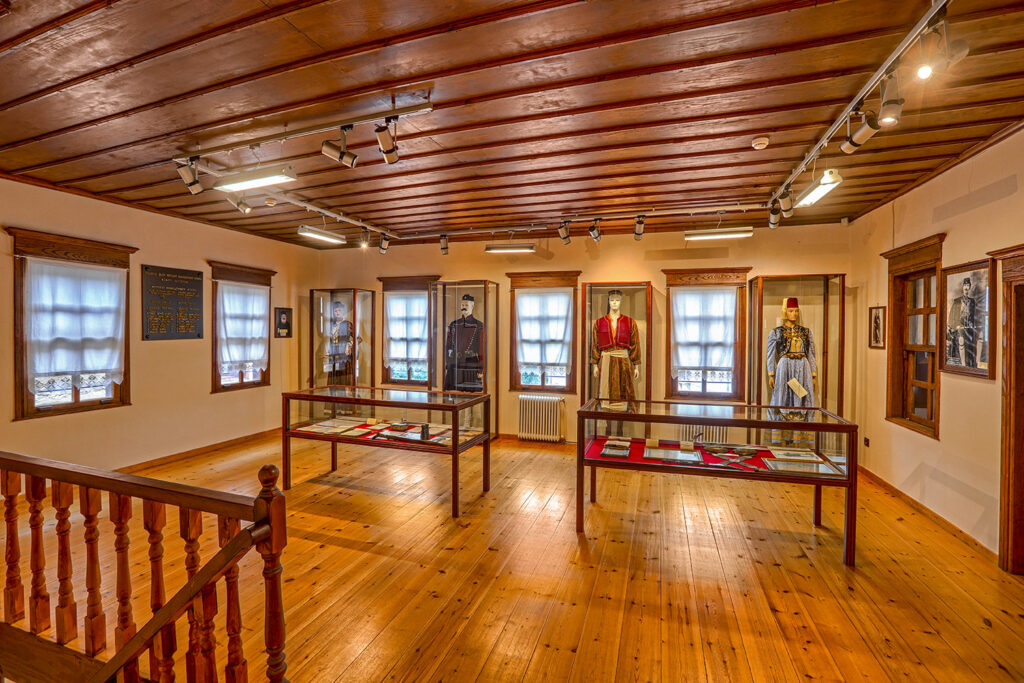
Kastoria has a long and rich history behind it. Its roots may stretch back to the late 5th century BC, when the Macedonian king Archelaus founded the ancient city of Celetrum. Centuries later, Justinian created the Byzantine fortified town that went on to become the core of present-day Kastoria. It is a place where, as you walk through it, you can feel the weight of the centuries: from the raids of Bulgarians and Normans to the city’s brilliance during the Byzantine era, when Kastoria rose to prominence as a leading metropolitan see under the Archbishopric of Ohrid. Byzantines, Serbs, Albanians, Ottomans, and Jews all passed through here, each leaving their own tessera in a fascinating cultural tapestry. During Ottoman rule, the city flourished through the fur trade and hosted a thriving Jewish community, mainly of Sephardic origin, which was almost entirely exterminated during the Holocaust. In the years of the Macedonian Struggle, Kastoria stood at the center of events—this is where Metropolitan Germanos Karavangelis was active and where Pavlos Melas fell in battle. During the 20th century, the city welcomed waves of refugees from Asia Minor, while in the harsh decade of the 1940s it was tested by the German Occupation and the Civil War, which wrote its bloodiest chapters on Mount Grammos and Mount Vitsi. Kastoria rose again in the postwar years, once more thanks to fur craftsmanship, which brought newfound prosperity. Today, as you stroll along the lake or the cobbled streets of its picturesque neighborhoods, you will recognize the vast history of a city that has never ceased to evolve.
Personalities of Kastoria
A homeland for heroes, poets, and artists, Kastoria has given rise to figures who left their mark on history and culture, such as Pavlos Melas, national hero; Manolakis Kastorianos, national benefactor; Athanasios Christopoulos, poet and scholar; Ioannis and Panagiotis Emmanouil, fighters alongside Rigas Feraios; Germanos Karavangelis, metropolitan bishop and leading figure of the Macedonian Struggle; Leonidas Papazoglou, pioneering photographer; Stylianos Pelekanidis, archaeologist and Byzantinist; and Loukas Samaras, internationally acclaimed visual artist.
The traditions of Kastoria, a reason to celebrate all year round
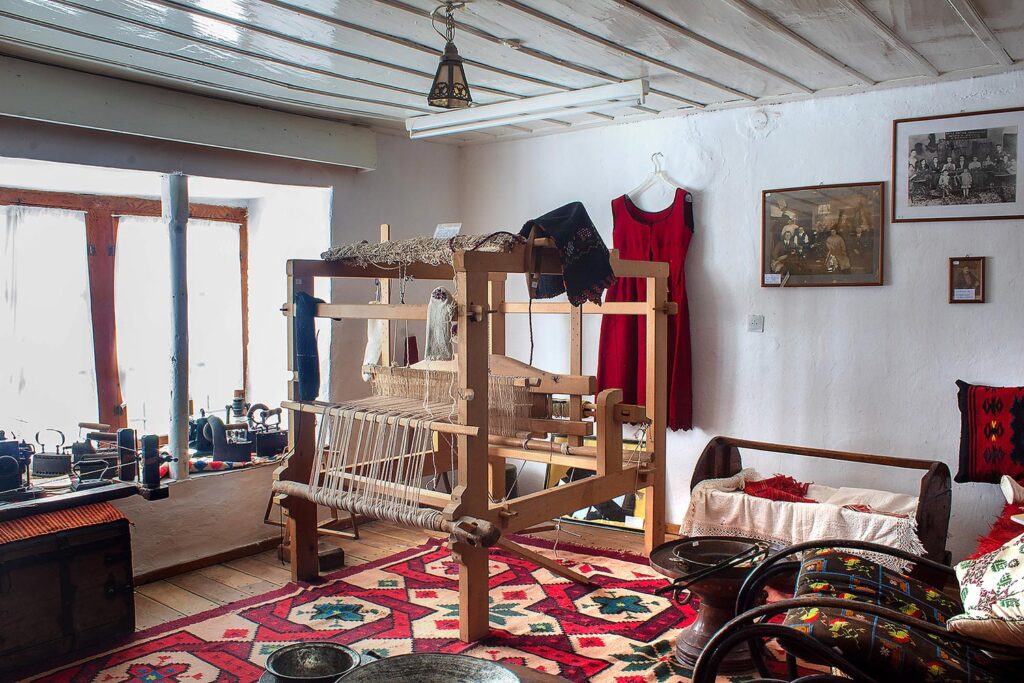
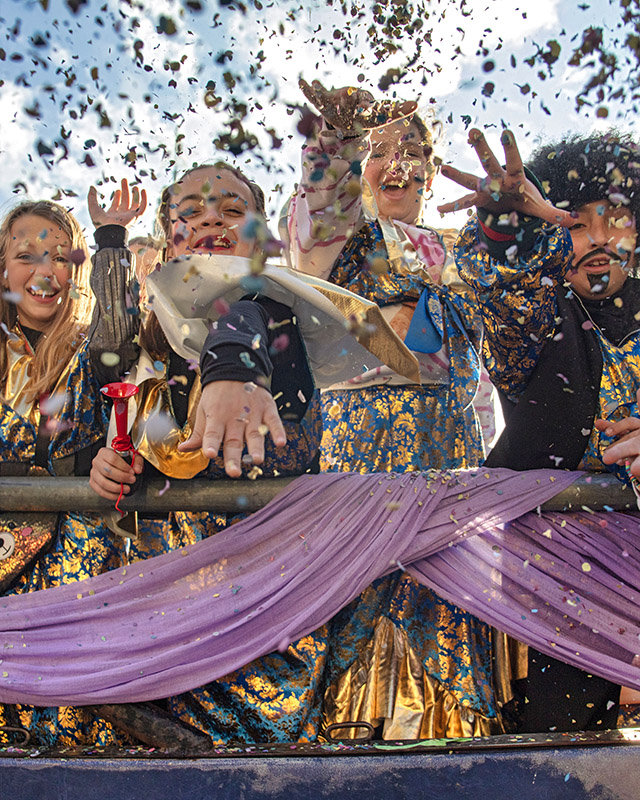
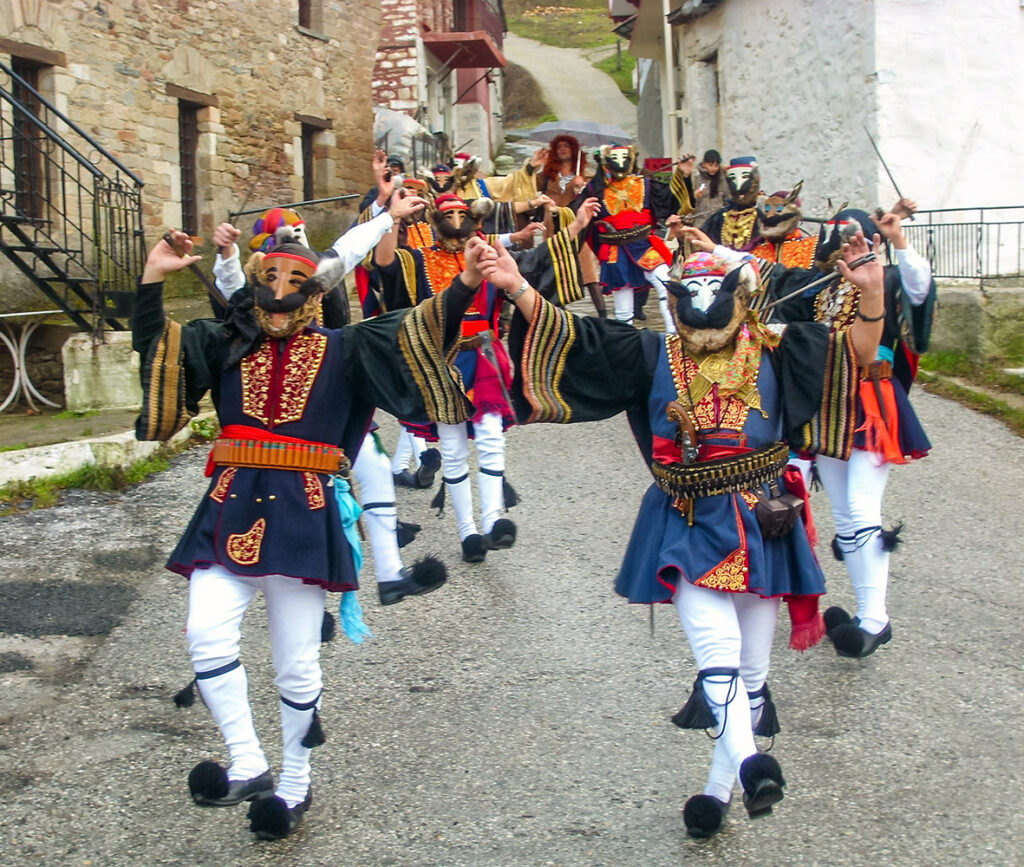
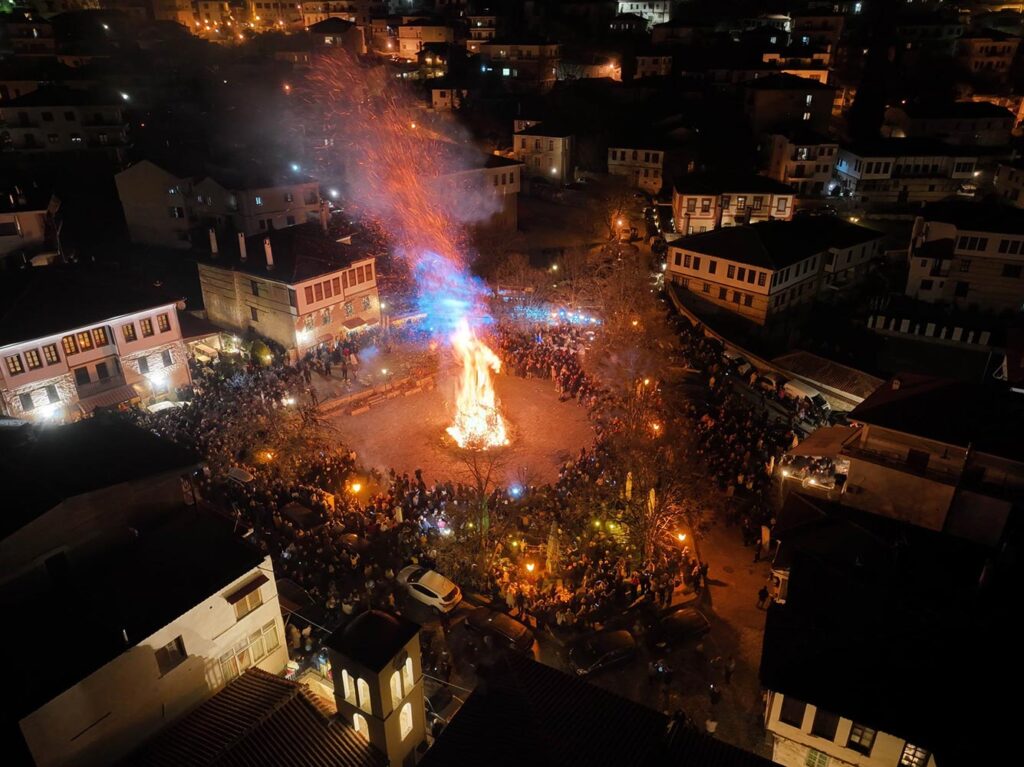
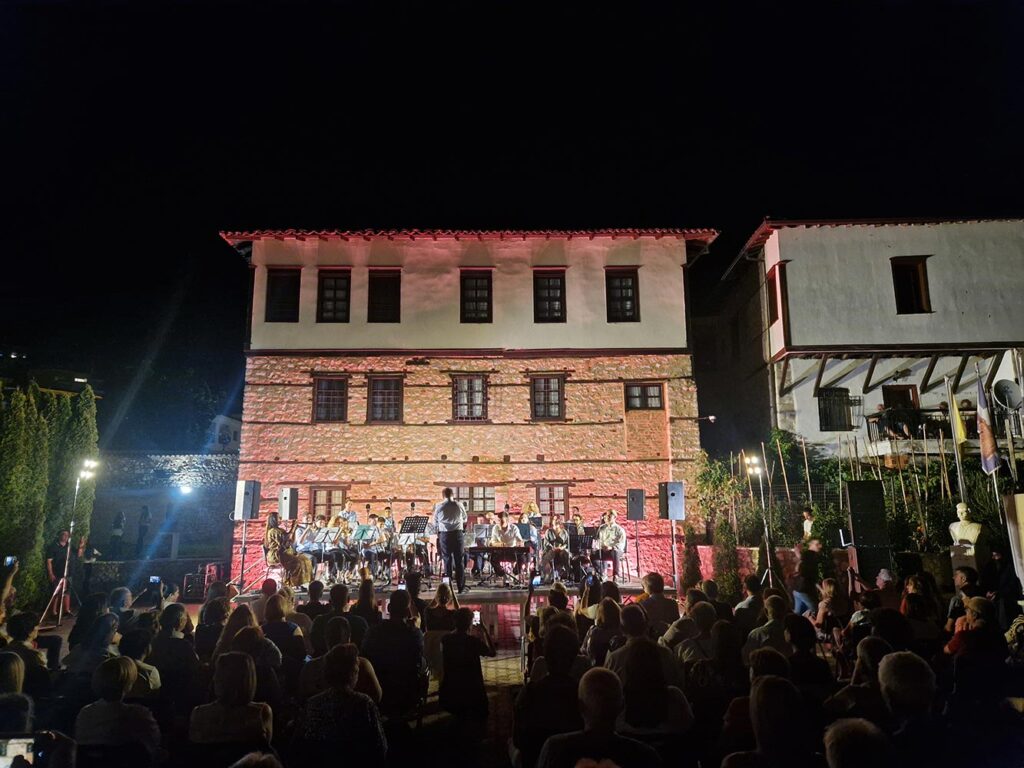
From the Kolentes fires of Christmas and the Ragoutsaria carnival of Apokries to the springtime Lazarines and the summer village fairs, Kastoria keeps its traditions alive in every season throughout the year.
When Kastoria sets the table
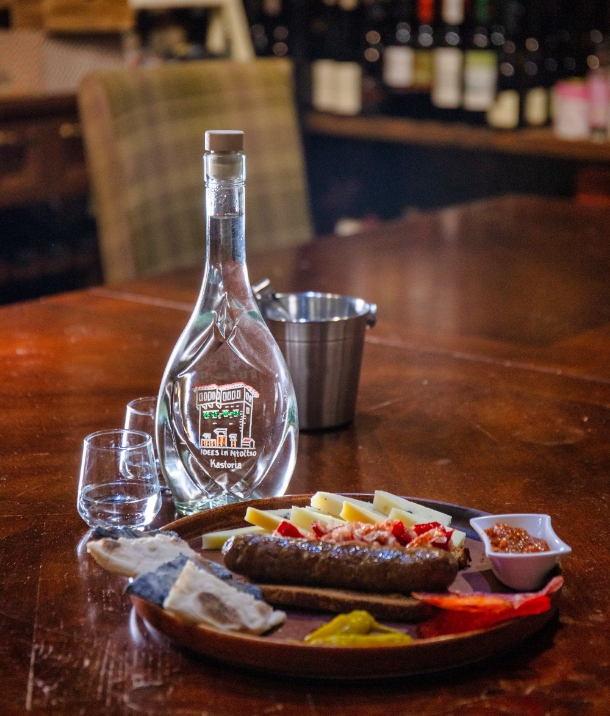
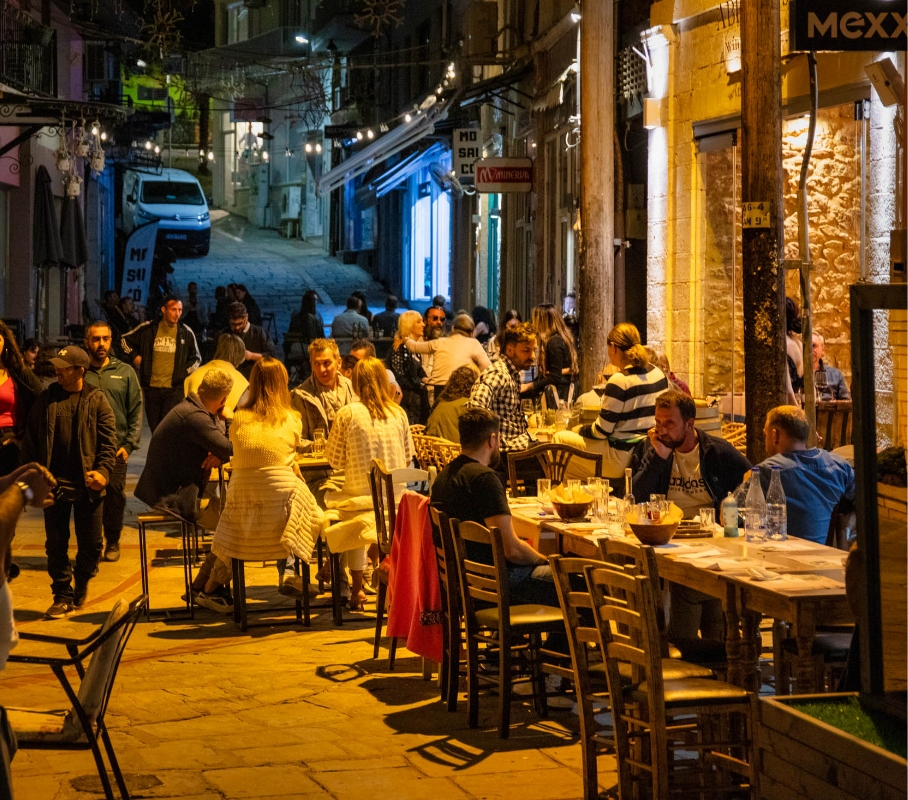
Welcoming and authentic, the city and its surrounding villages invite you to sit at their table, drink their wine, and get to know them better.
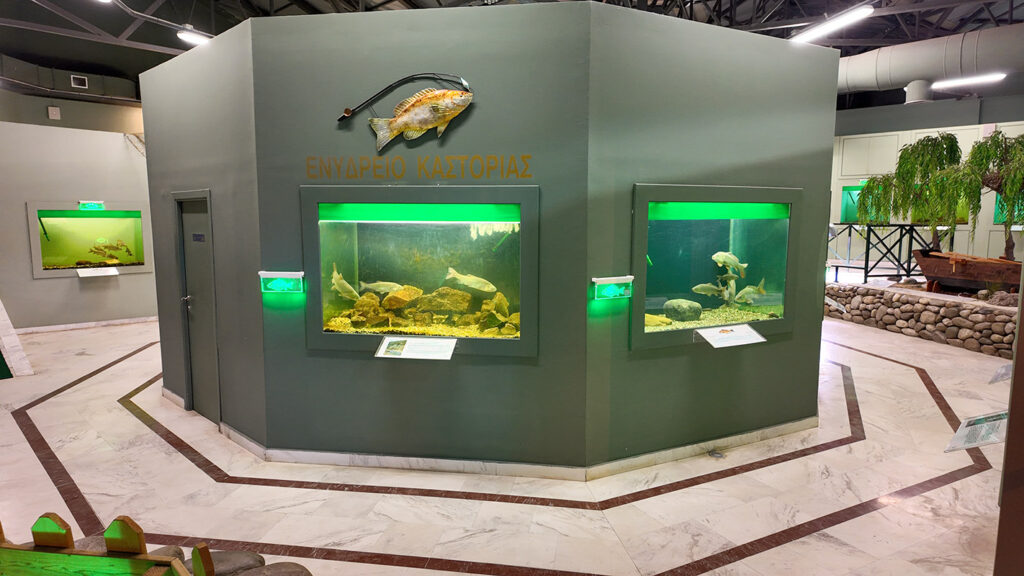
Kastorian cuisine—Balkan, Macedonian, and rural—is deeply rooted in the land, the seasons, and the traditions of the lake, with rich, hearty flavors that warm both body and soul. Among the most iconic dishes, makalo meatballs with flour-based sauce, oven-baked giant beans, and sarma made with pickled cabbage hold a steady place on the winter menu. The cuisine’s centerpiece is carp, the lake’s most prominent fish, masterfully prepared in the garoufa soup or baked with red sauce in the famous saltsistos tavas. As for traditional sweets, try the distinctive “saliarioi”: wonderful fasting Kastorian shortbread cookies flavored with orange and cinnamon.
Wine and local wineries
Tasting Kastoria’s delight is not complete without a glass of its wine. The slopes around the lake, with the favorable agiami wind and the cool breezes of Grammos and Vitsi, produce distinctive local wines, which you can sample by visiting the Maggel and Stergiou wineries. Their people will welcome you warmly and speak to you about their vineyards, their land, and their wines.