Municipality of Prespa
Where lakes become history in a sanctuary of life
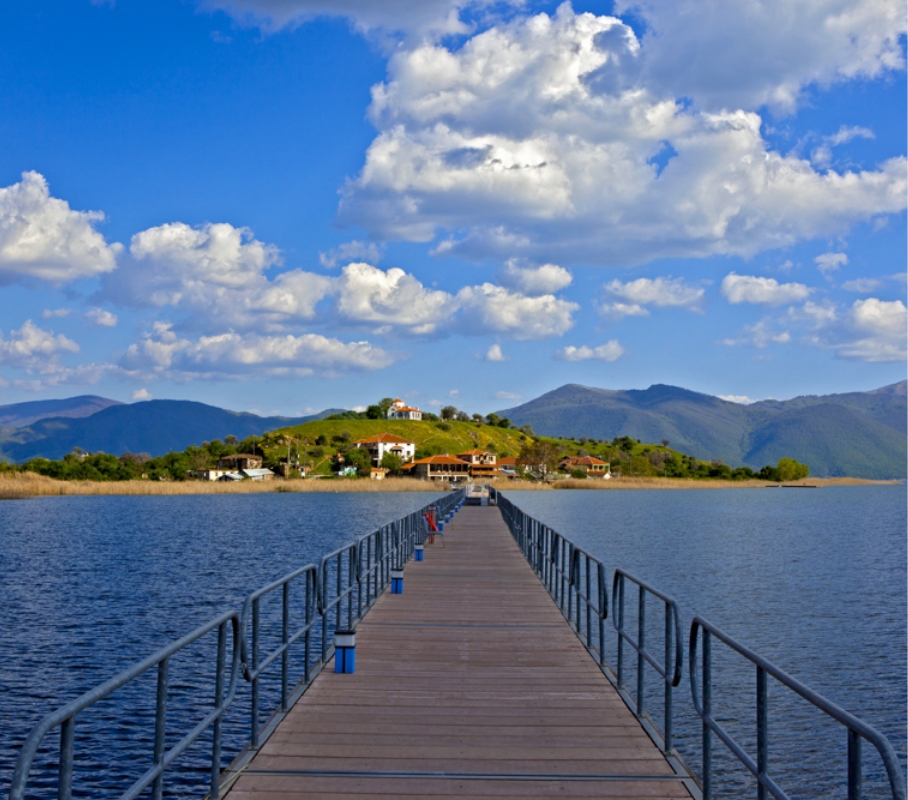
Two lakes, one inhabited islet, 16 villages, and countless natural landscapes come together to form the fascinating tapestry of the Municipality of Prespa—a destination that truly provides its visitors a once-in-a-lifetime experience. And that is no exaggeration.
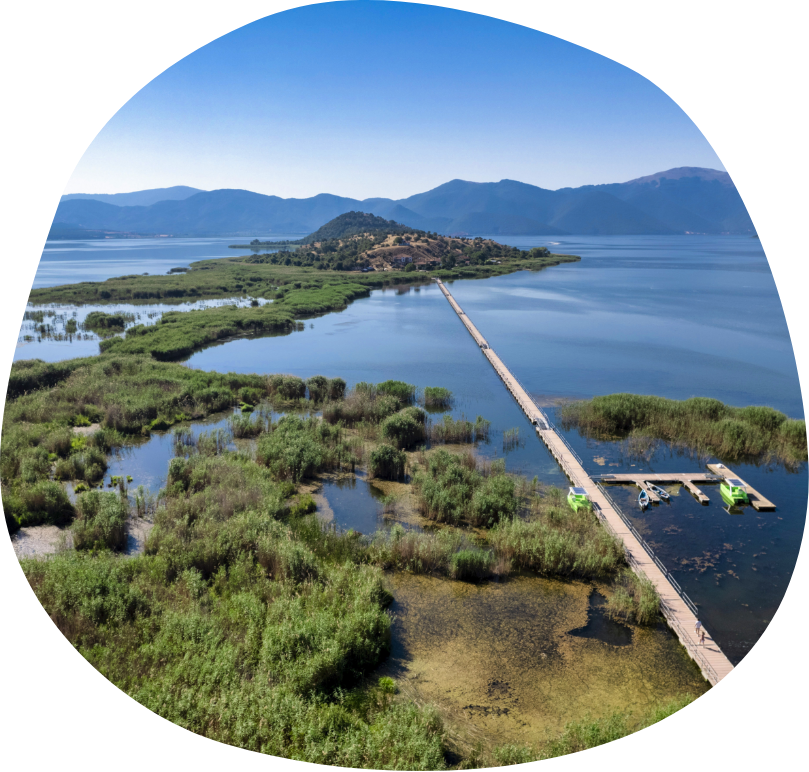
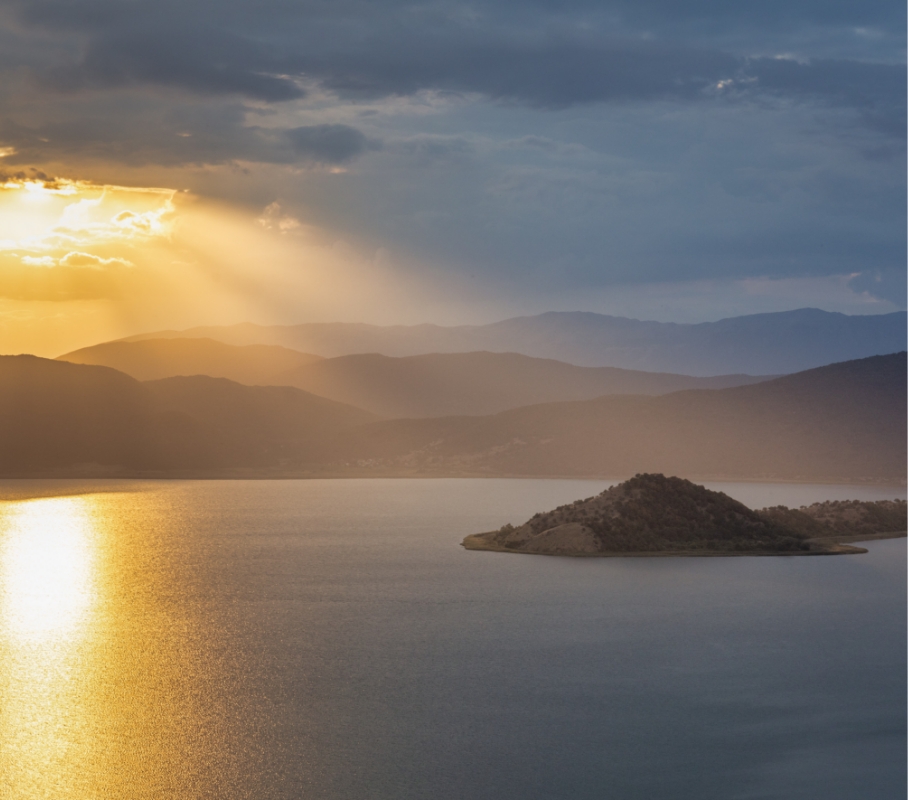
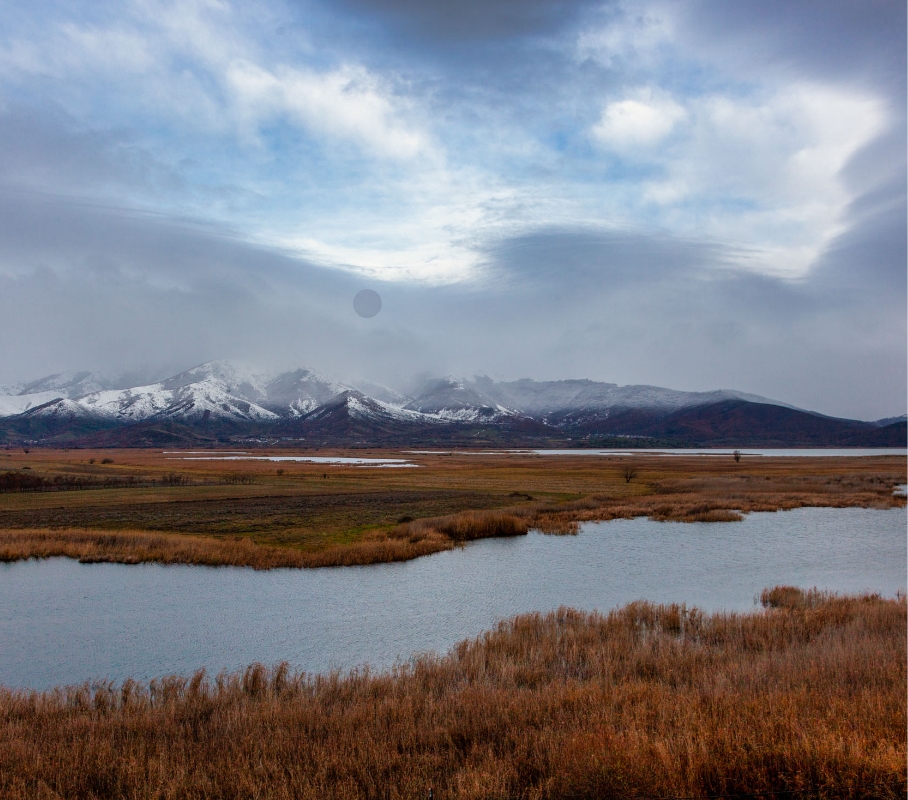
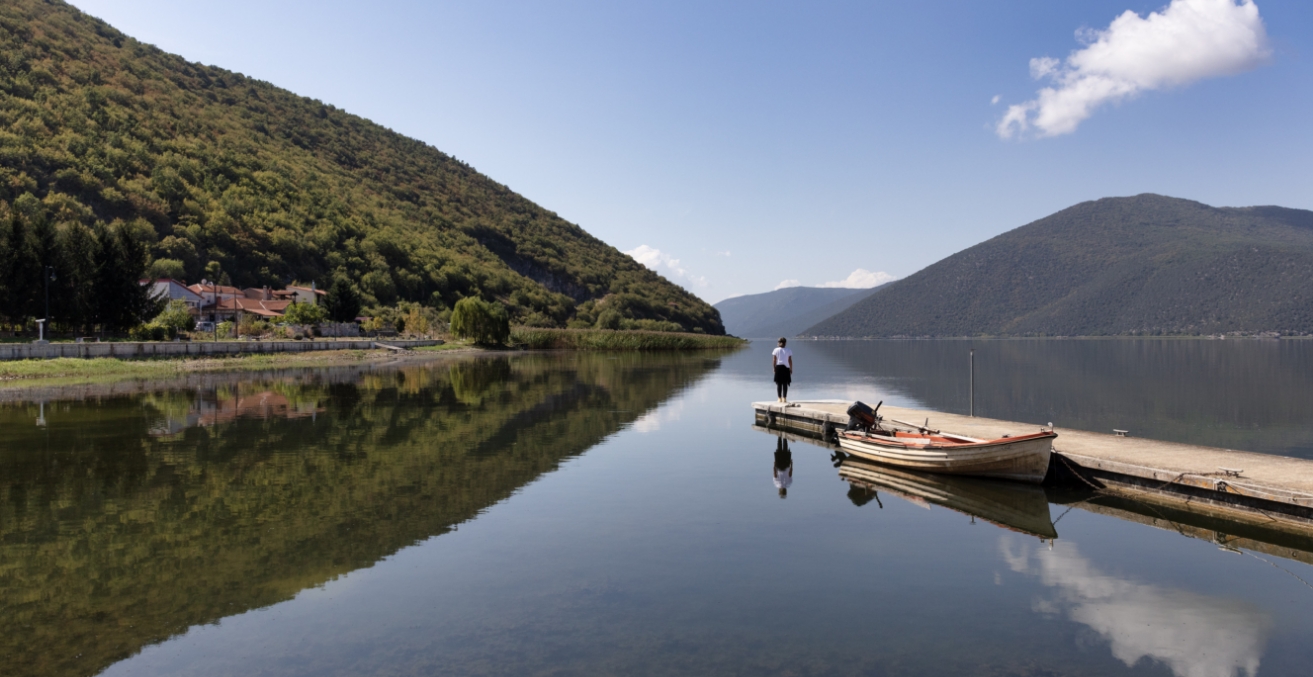
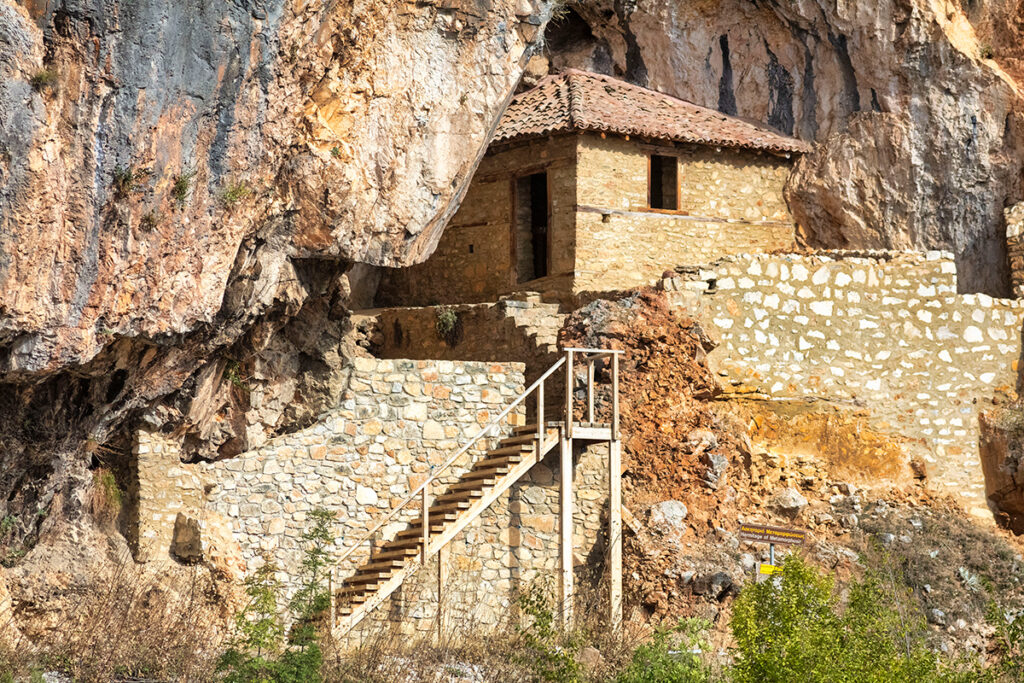
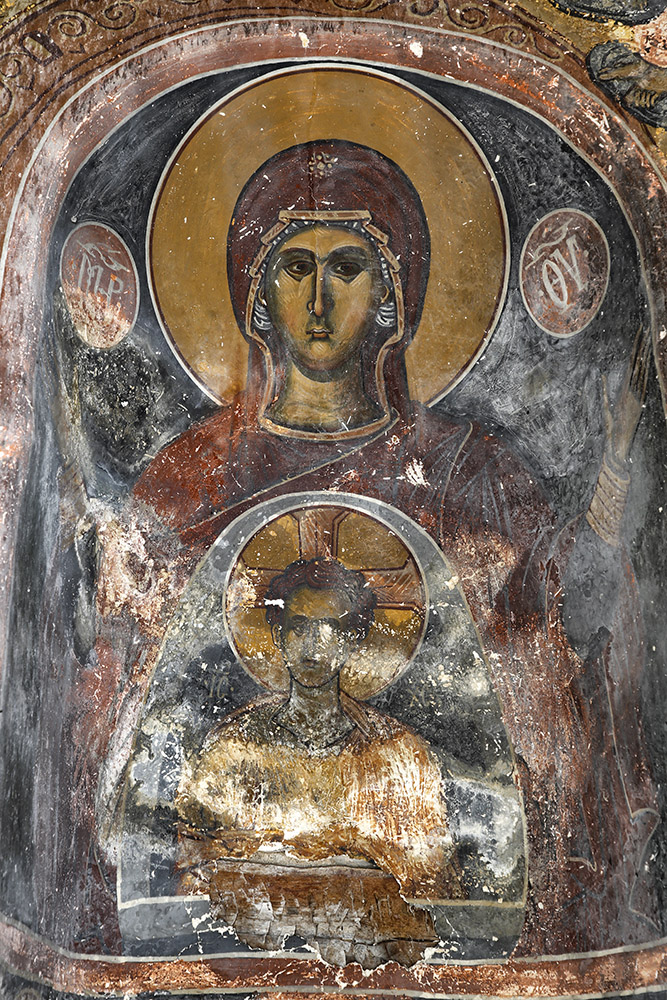
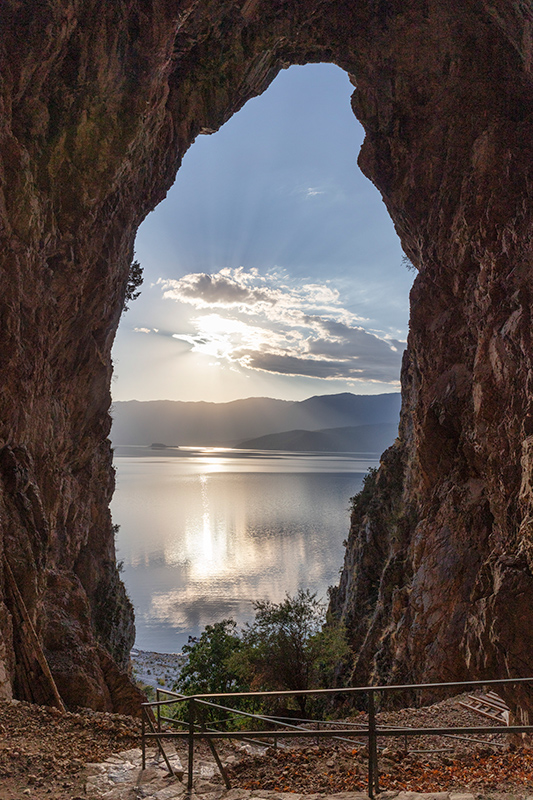
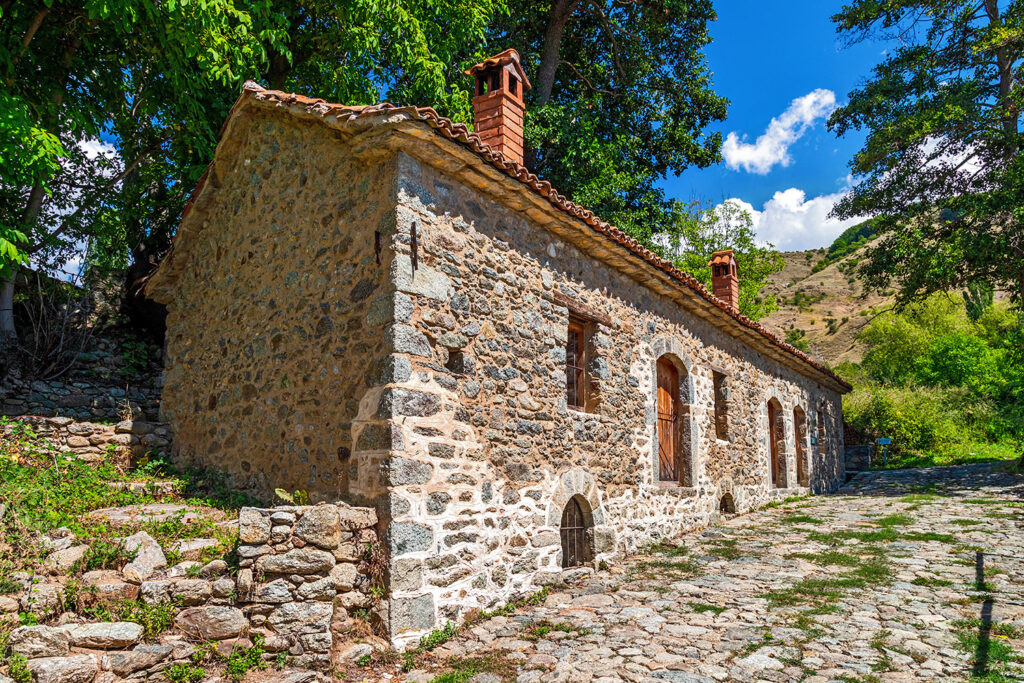
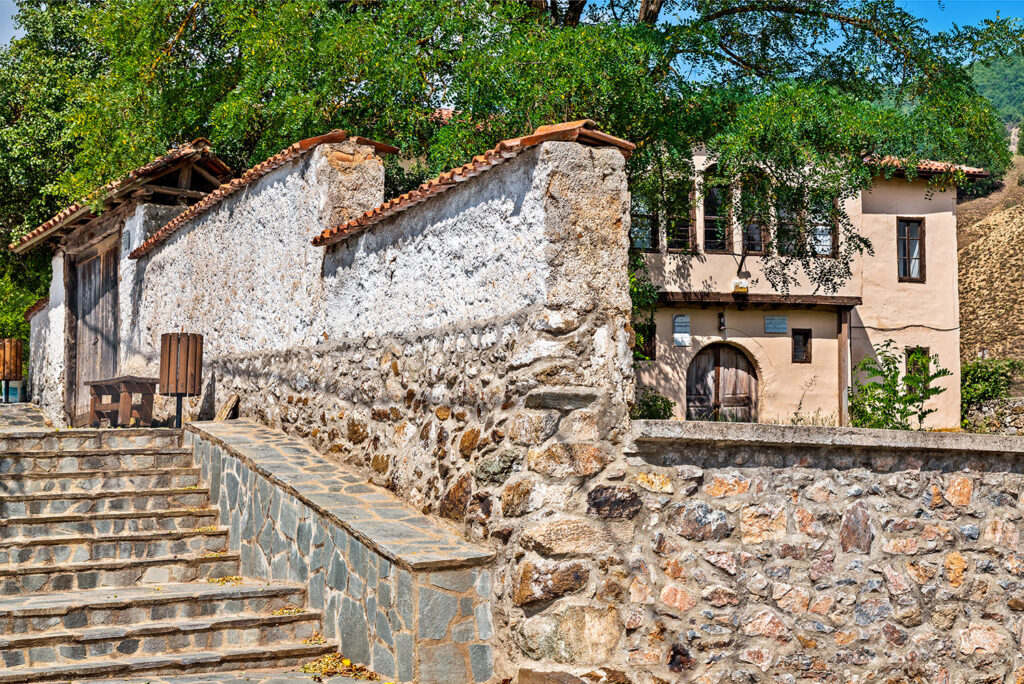
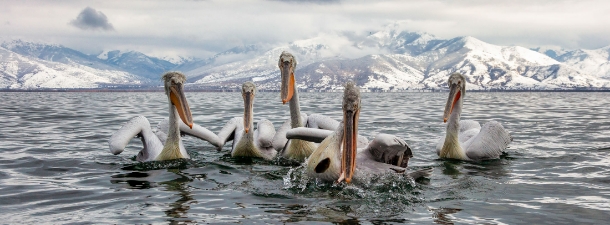
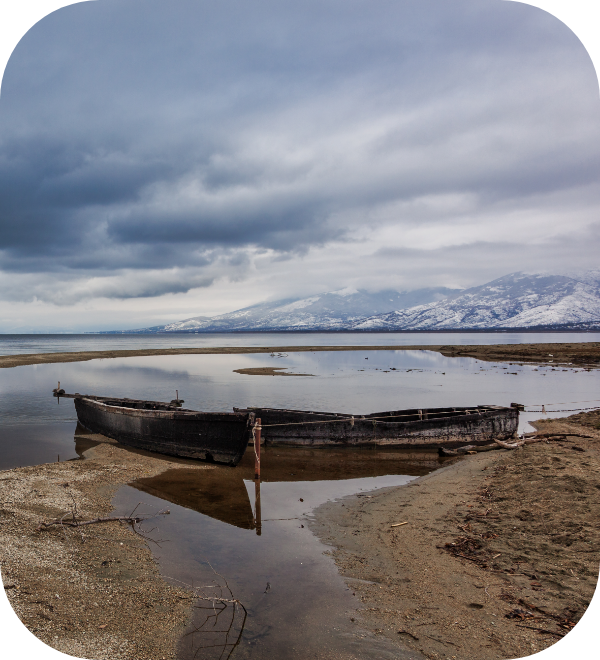
In the northwestern corner of Greece, where three countries and two lakes meet, lies the Municipality of Prespa: a place of rare charm that captivates visitors with its poetic beauty. Every moment of your journey to Prespes will feel incredibly rewarding, as you will witness magnificent Dalmatian pelicans soar above Lake Mikri Prespa, solitary hermitages clinging to the rocks of Lake Megali Prespa overlooking the Tripoint (the water borders between Greece, Albania, and North Macedonia), and traditional punts—the wooden boats of Prespa—glide gently across the waters of the lakes. Here, you will walk along paths of memory, discover iconic traditional villages such as Agios Germanos, Antartiko, and Kottas, stand before Byzantine frescoes, and let your gaze wander across the vast horizons of Prespes. Welcome to a palimpsest landscape, where history, culture, and wildlife play the starring roles in a rare chapter of your travel diary— where you become part of the story.
Two lakes, one world
Lake Megali Prespa and Lake Mikri Prespa offer the experience of an internationally acclaimed wetland, as more than half of Greece’s bird, mammal, and amphibian species have found refuge there. Lake Mikri Prespa hosts the largest colony of Dalmatian pelicans in the world, while you may encounter the native dwarf cow—a rare and protected species—in the grazing lands near Psarades and Agios Achilleios.
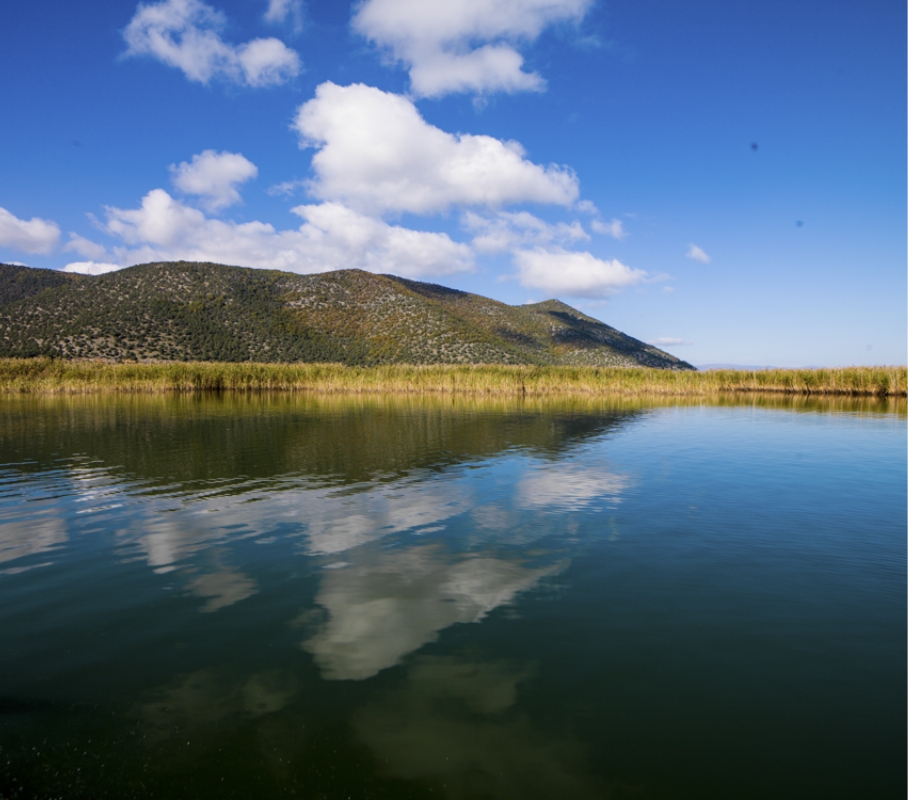
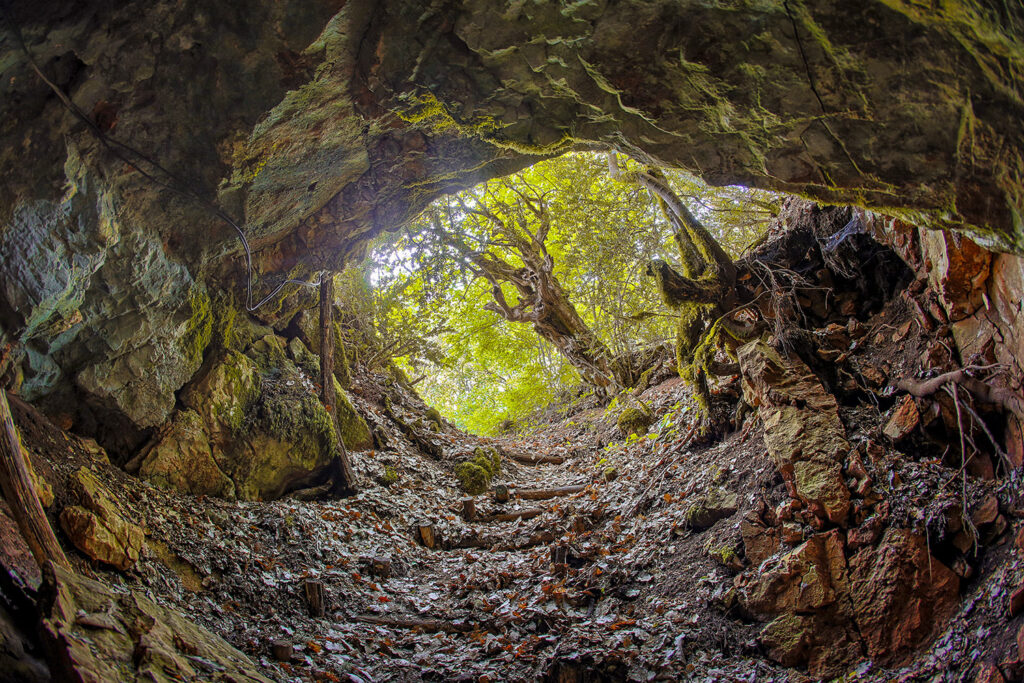
Together with the surrounding area, the two lakes form one of Europe’s most important ecosystems. Wet meadows, reed beds, rocky shores, and forests of ancient junipers (cedars) near Mount Devas create a world of natural wonder awaiting to be explored.
An entire monastic world carved into rock
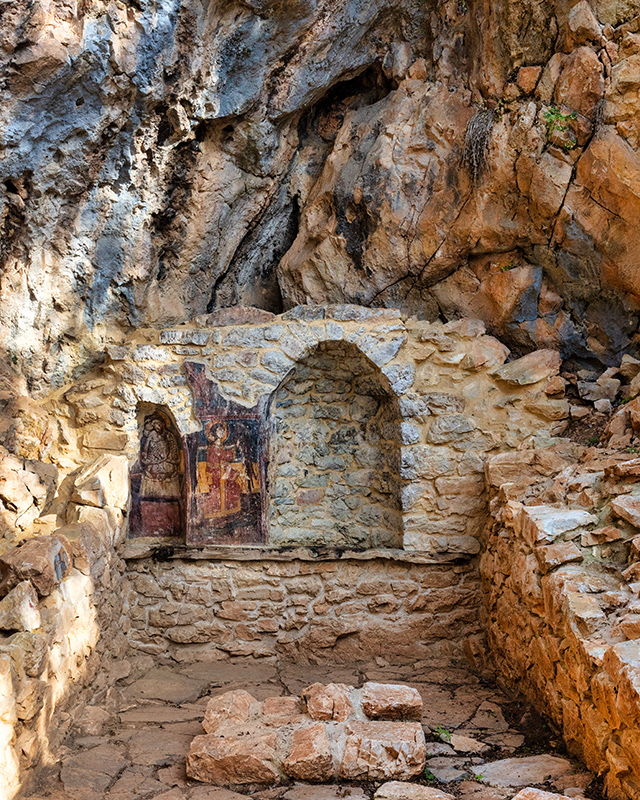
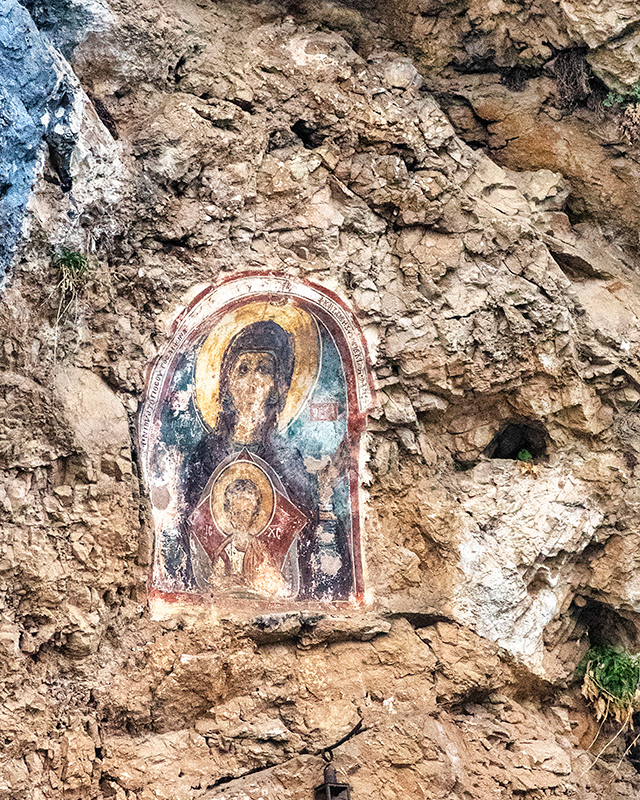
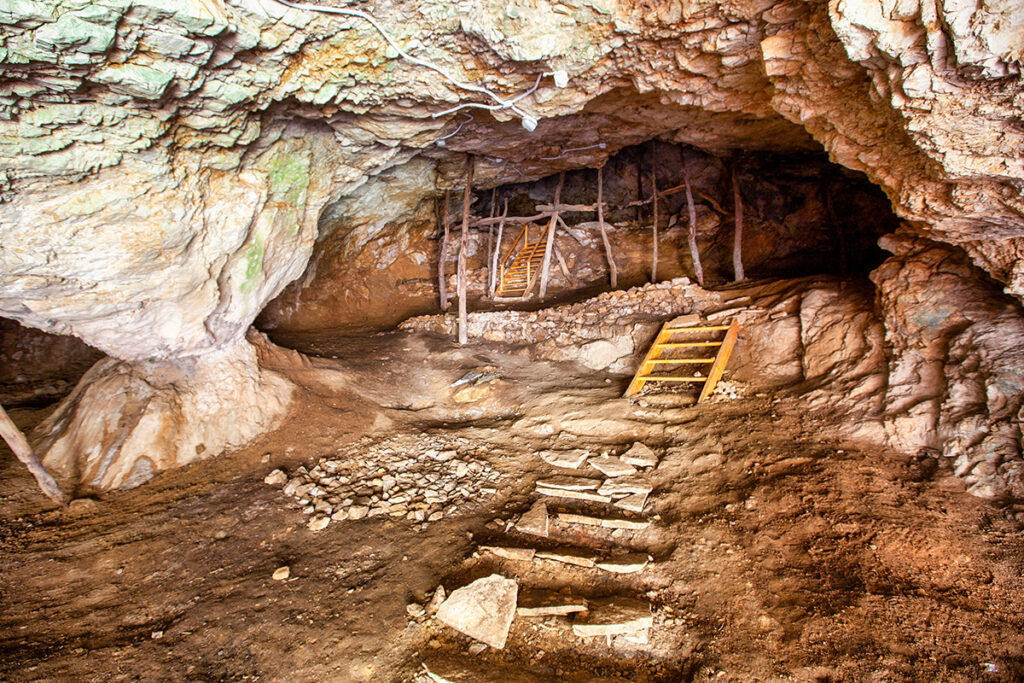
Boat routes lead you to the hermitages and rock paintings of Lake Megali Prespa: rock-hewn chapels, centuries-old frescoes, and stories of ascetic life echoing through stone-dark caves. These hermitages, which were abandoned in the late 15th century—when local monks departed to Mount Athos—are now accessible through organized boat tours departing from the village of Psarades.
Activities in nature elevate the experience—occasionally in the most literal sense
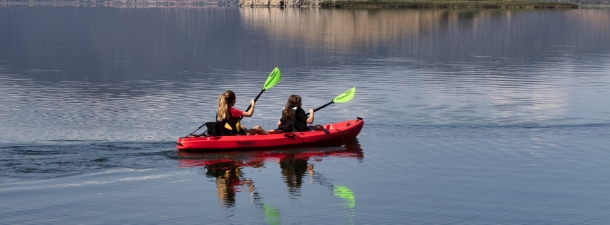
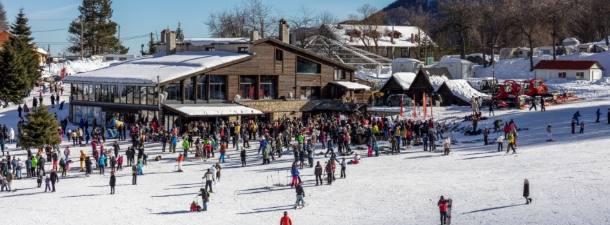
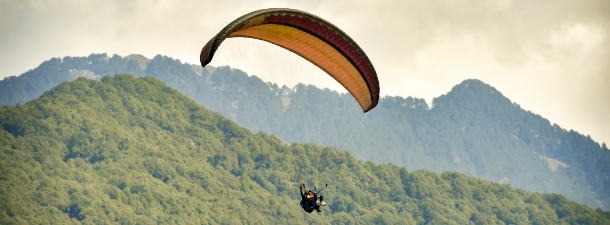
Hiking through enchanting forests and lakeside trails, cycling, boating, kayaking on the almost always calm waters of the lakes—and paragliding over Prespa National Park for the more adventurous—are just a few of the activities that make Prespa a once in a lifetime experience, regardless of the season — especially in winter, when the nearby Vigla–Pisoderi Ski Center invites you to test your skills on snow-covered slopes.
A taste of Prespa
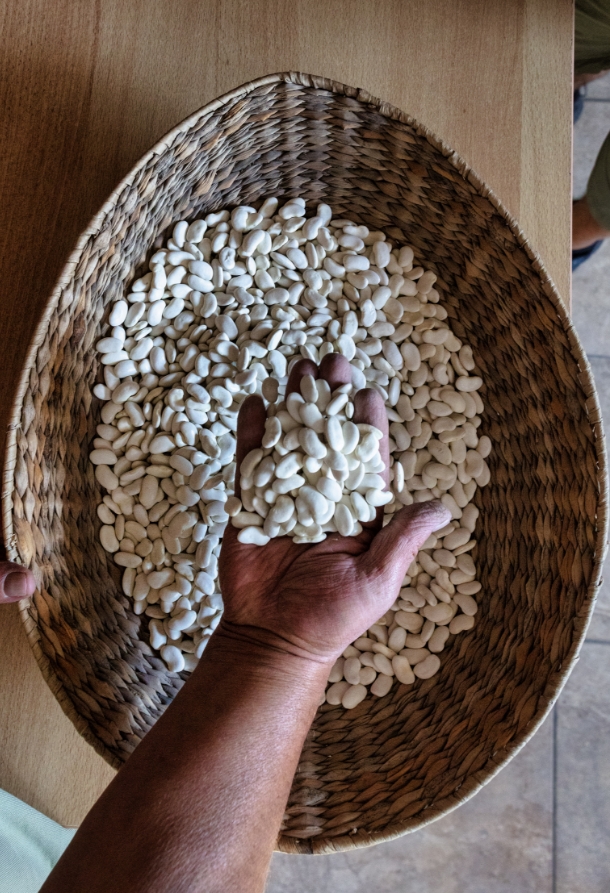
Prespa’s culinary enchantment lies in its simplicity—and it is deeply rooted to the land. The famous Prespa beans, a PDO product, dominate every table, alongside oven-baked or pan-fried carp and tsironia, dried small fish served as a refined meze for tsipouro. Handmade pies with greens or peppers stand out, as does the so-called “Prespa caviar”—a spread made from roasted Florina peppers—perfect to take home along with other local products.
Lakes that mirror different centuries
Do not seek for the history of Prespa exclusively in the pages of old books, as it is present in every stone, every shoreline, every path. From the Neolithic era to the most turbulent decades of the 20th century, this land carries memories spanning millennia, revealing a past that constantly converses with the landscape.
Human presence begins in the Neolithic period—very early indeed, around 7000 BC—and it continues through traces from the Bronze and Iron Ages. In Agios Achilleios, architectural remains and inscriptions from Hellenistic and Roman times have been discovered. In antiquity, the lakes were known as Mikri and Megali Vrygiis and, from the 5th century BC, formed part of the Macedonian kingdom prior to them later joining the Roman province of Illyricum.
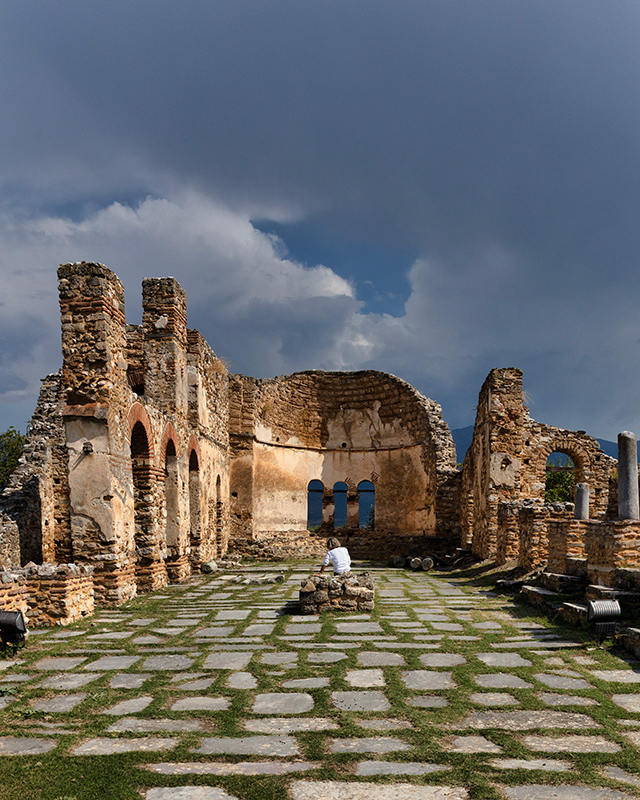
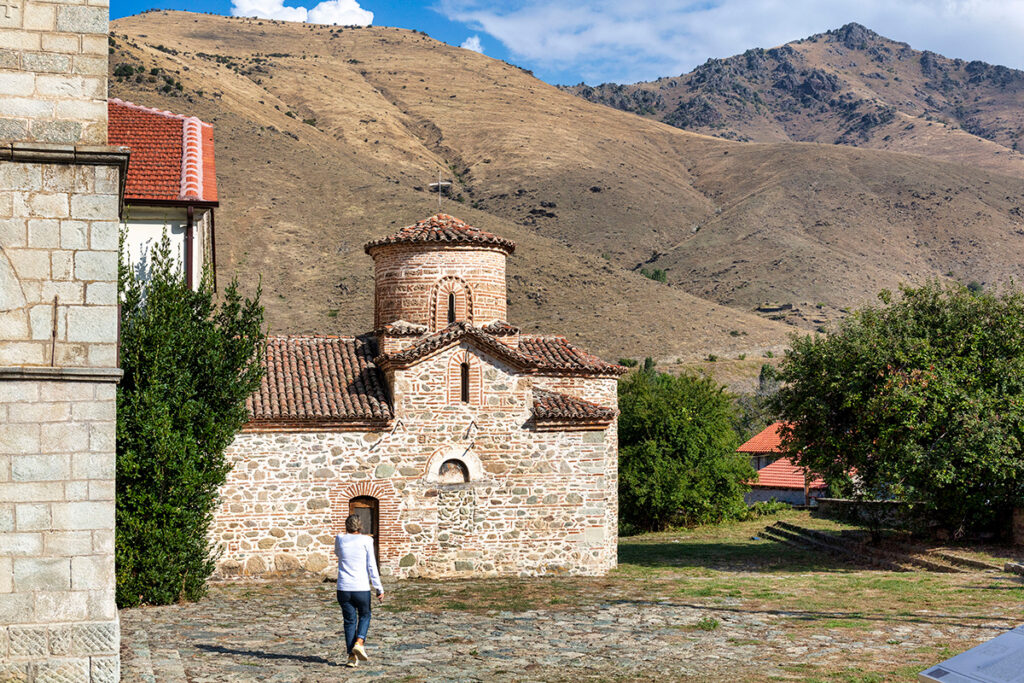
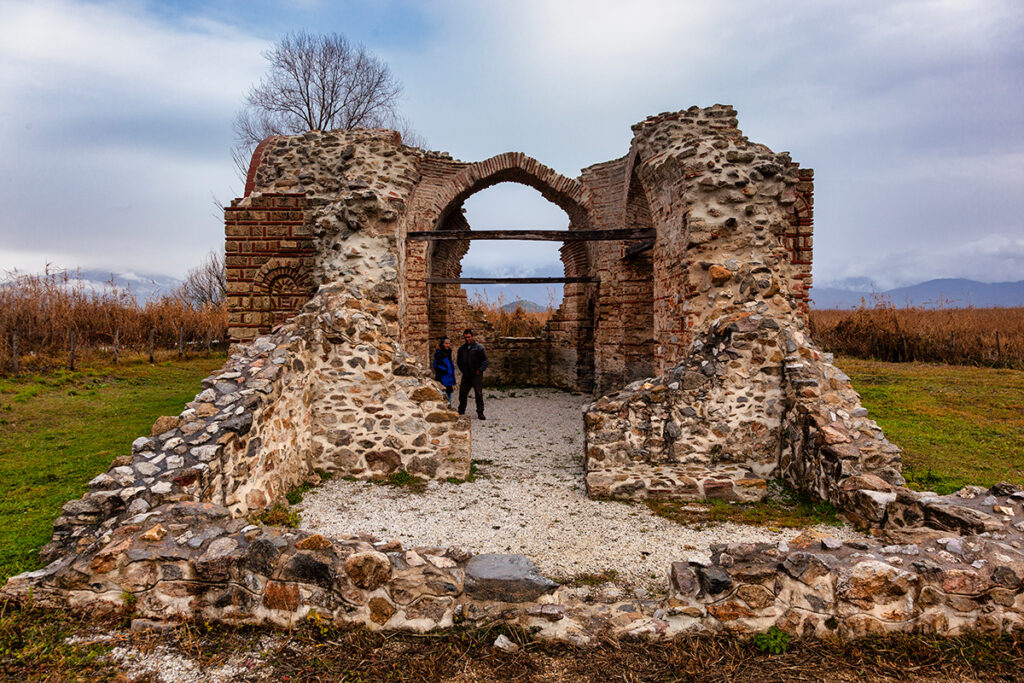
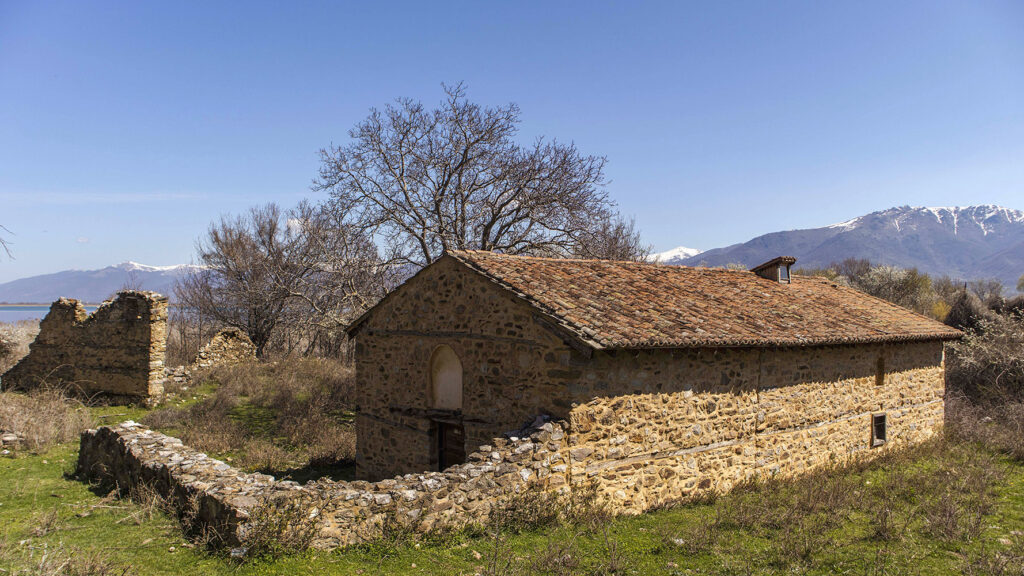
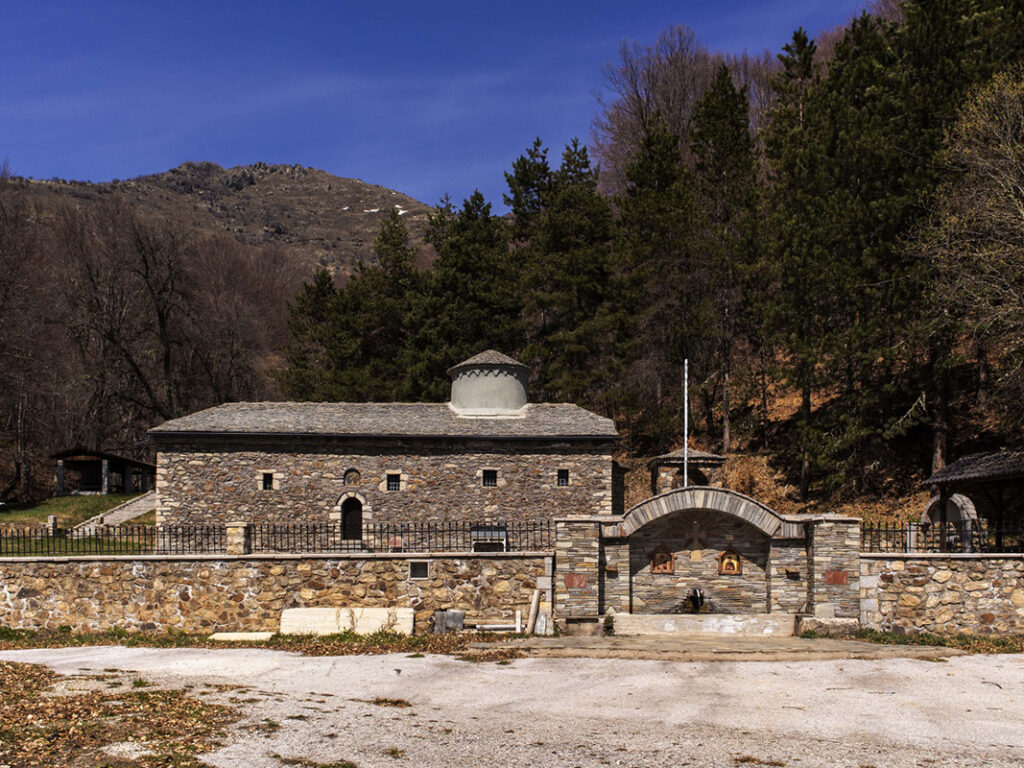
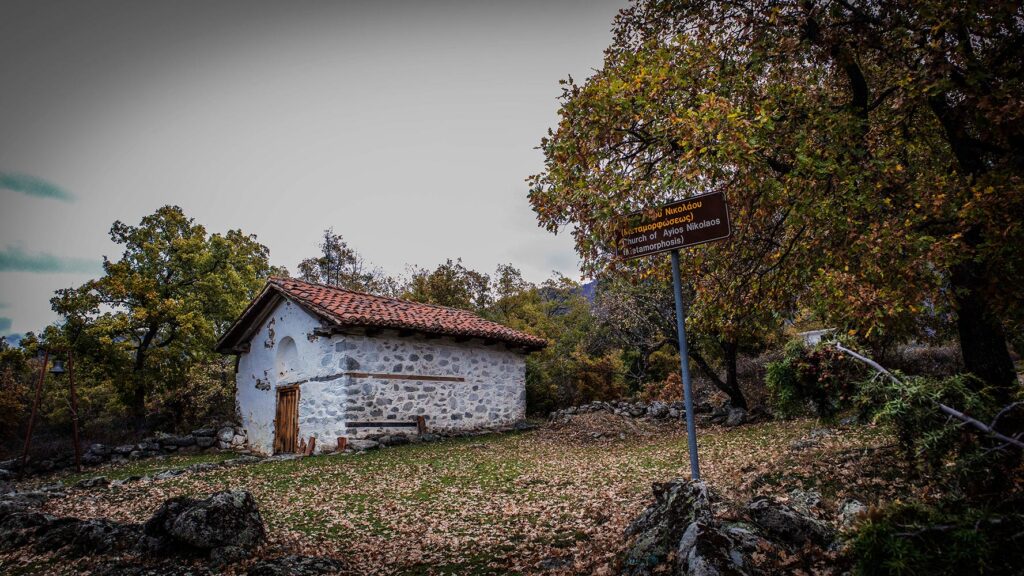
Towards the late 10th century, Tsar Samuel turned Prespa into the epicenter of his territories: he transferred the relics of Saint Achilleios from Larissa and built the great Basilica on the islet that bears the saint’s name. Basil II later restored Byzantine rule and—according to historical sources—constructed two fortresses, known as “Vasilida” and “Konstantion”. In the 14th century, Serbian rule followed, until 1395, when the region passed under Ottoman control. During this period, monastic life flourished: hermitages, churches, monasteries, and retreats formed a unique tapestry of faith and art that still survives to this day.
From the mid-19th century onward, Prespa became a theater of the Macedonian Struggle, with prominent fighters such as Captain Kottas from Roulia (today’s Kotta), the Dalipi brothers from Sfika, Pavlos Kyrou from Antartiko, and Lazos Tsamis from Pisoderi. Pisoderi was also the birthplace of Nikolaos Kasomoulis, a Macedonian fighter of the Greek War of Independence and historian who recorded the Siege and Exodus of Messolonghi, as well as the struggles and death of Karaiskakis.
The area’s liberation occurred in November 1912, while during World War I the area once again became a battlefield. In World War II, a counteroffensive launched from Krystallopigi led to the capture of Korçë on November 22, 1940. The Greek Civil War left deep scars, with cave shelters, guerrilla hospitals, and abandoned villages. Despite a population of around 7,000 prior to the war, an astonishing 1,500 inhabitants actually remained in the area in 1951. While the settlements of Vlach shepherds in 1953 did offer some demographic relief, it did not manage to reverse the overall population decline. Today, Prespa remains the most sparsely populated municipality in Greece—an unspoiled paradise on earth where centuries of history meet extraordinary natural beauty, and humanity makes space for nature to thrive.
The lighting of the fires
One of the most characteristic winter traditions of Prespa is lighting up the squares of their villages every year.
Occasions not to be missed
Festivals of culture and taste in Prespa that highlight art, gastronomy and local tradition.
A journey into the flavors of Prespa
Prespa’s gastronomy is an integral part of the region’s identity: simple, earthy, and generous. Here, food is a way of life, deeply connected to the seasons, the land, and the water of the lakes. Though local recipes were shaped in modest households, they are still rich in imagination. The undisputed star is the Prespa bean, a PDO product, prepared either as a classic bean soup or baked in the oven with tomato and aromatic herbs.
Caro is yet another delight coming straight from the lakes, traditionally cooked in a pan or baked, and tsironia, small fish that are dried and served as a meze alongside local wine or tsipouro. Among the region’s most distinctive delicacies is the famous “Prespa caviar”, a spicy spread made from roasted Florina peppers, olive oil, and herbs—simple yet irresistible.
Inland, meat dishes made from locally raised cattle stand out for their natural flavor, slow-cooked in traditional ovens or over open fire. And of course, no culinary experience in Prespa is complete without homemade pies: pepper pies, wild greens pies, and cheese pies, all made with hand-rolled pastry and scented with fresh herbs.
From humble tavern dishes to festive offerings, Prespa preserves a cuisine that honors tradition and nature alike. It is a cuisine deeply rooted in the land and the lakes—one that reveals that flavor here is not just an experience, but a memory.