Municipality of Deskati
Lush green slopes, mountain air, and hearts of gold
A journey to Deskati is not a mere visit to a lesser known corner of Western Macedonia. It is a unique rendezvous with the proud soul of the Greek mountains, their warm-hearted people, and their vivid traditions.
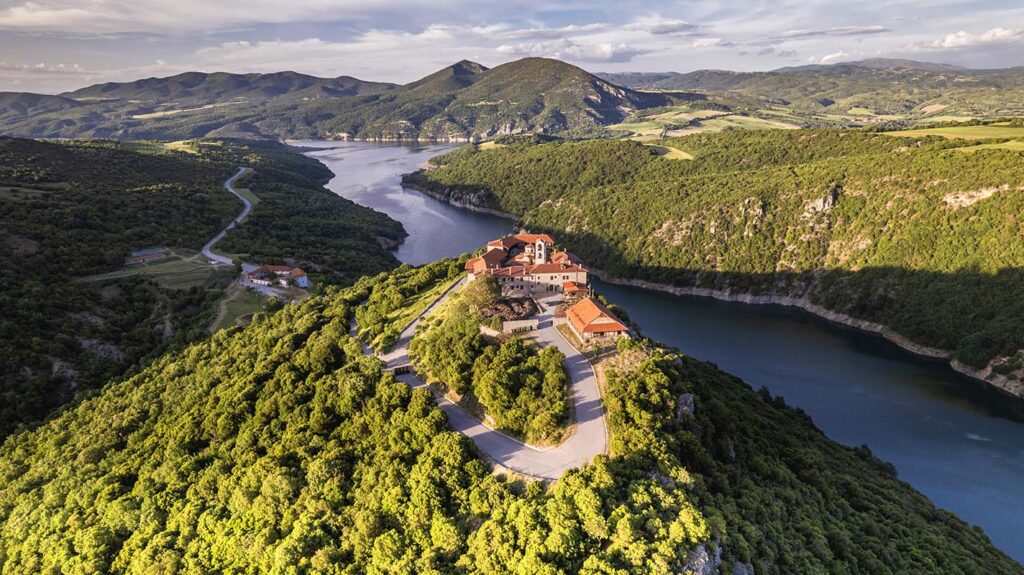
In the southeastern corner of Grevena, where Macedonia and Thessaly meet, stretches the Municipality of Deskati. A raw mountainous landscape that emerged from the legendary ocean of Tethys, even today still carries the geological history of the world.
Nature calling
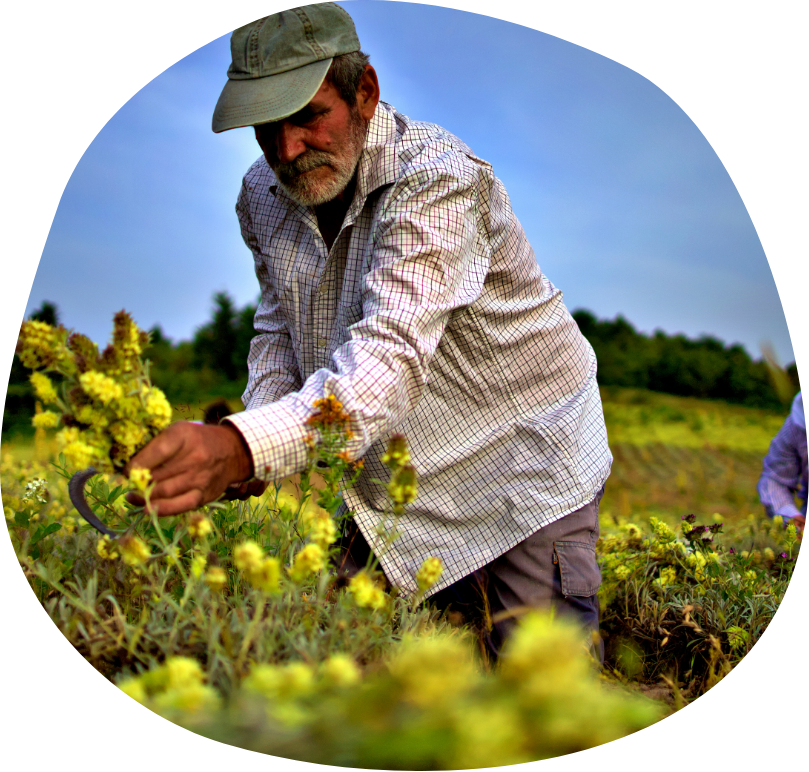
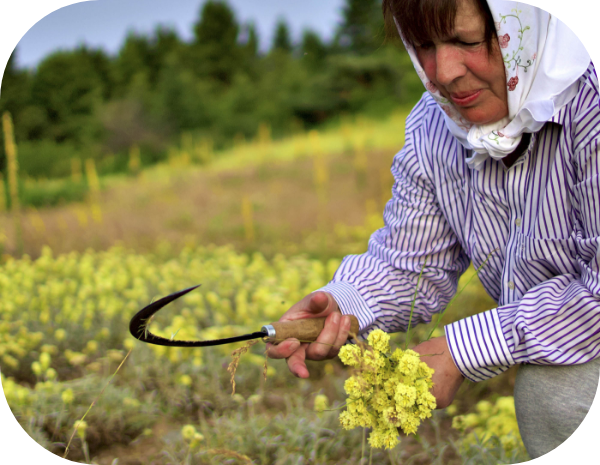
Nature is all around, and it is enchanting: the imposing Hasia and Kamvounia mountains stand tall; on the lush slopes, firs, pines and oaks meet; the murmuring Aliakmonas cuts through the mountains with its meandering shape; and the air is fragrant with herbs and mountain tea. As you cross the paths among forested expanses, crystal-clear waters and gorges, an entire natural world, lively and ever-moving, comes to life before you. Did you know that wolves, eagles, roe deer, weasels and badgers live here, as well as lively, colorful birds — blackbirds, jays, turtle doves, thrushes, buntings and bee-eaters?
Following Deskati’s course through time
From the Neolithic era to the medieval settlements, from the Ottoman Empire to the area’s Liberation, all the way to the present day — here is a brief look at the history of Deskati.
Built on a strategic plateau of Western Macedonia, Deskati is a place whose presence dates back to the Neolithic Era. Although the exact date of its foundation is unknown, and there are no written testimonies dating to the first millennium, archaeological findings reveal a region with uninterrupted life in antiquity. While 12th century AD records refer to three settlements in the area, the number grew to eight in 13th century records, before they united into one settlement for security and defense reasons.
Serbs, Vlach-speaking populations and Ottomans
In 1348, the wider area passed to Serbs rule. It was then that Vlach-speaking livestock breeders began descending here to spend the summer. It is even believed that the name “Deskati” derives from the Vlach word disikare (meaning to split), which evolved into Disikata and later took its present toponym. Almost 80 years later, in 1423, Deskati permanently went under Ottoman rule. Despite raids, famines and epidemics, thanks to its strategic position, it marked significant development, its population flourished, and it evolved into the “Protochora” (principal settlement) of Hasia. In the years that followed, its inhabitants participated in uprisings and national struggles, often coming with a heavy price to pay.
From the liberation to the 21st Century
Deskati’s liberation from the Turks and incorporation into the modern Greek state came in 1912, during the First Balkan War. The area struggled again during World War II, playing an important role in the National Resistance, as well as during the Greek Civil War. Today, this mountainous place —homeland of the poet Christos Bravos and the publisher and educator Kostas Spanos— moves forward into the new era, paying respect to its past and keeping its identity alive through time.
The remarkable traditions of Deskati
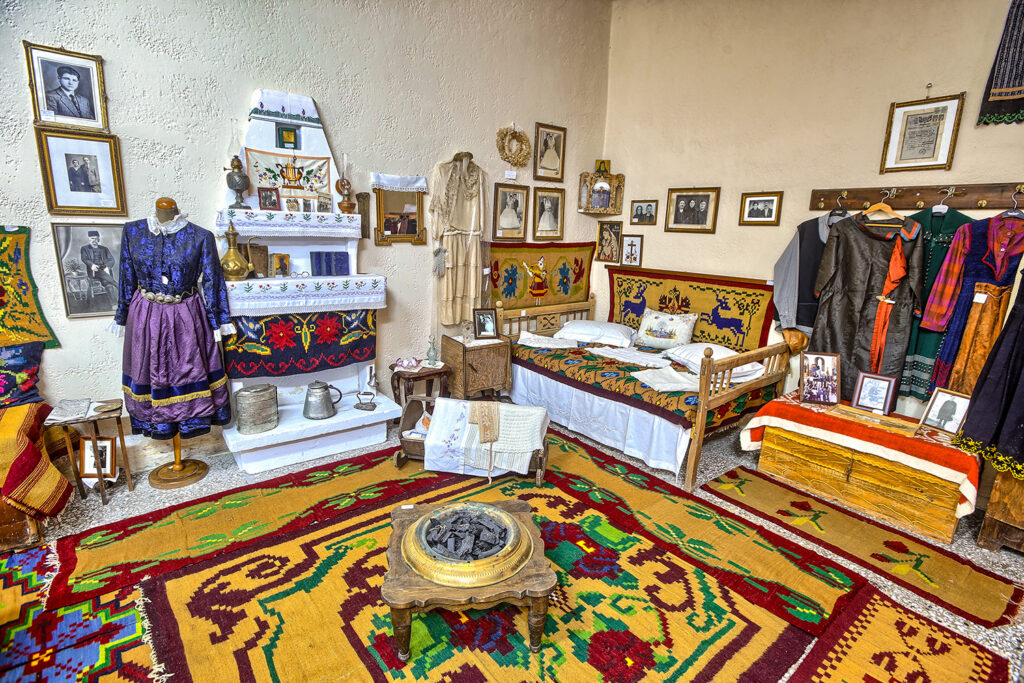
In Deskati and the surrounding villages of the Municipality, one can see centuries-old customs revived, keeping the identity of the place alive, passing collective memory from generation to generation, and bringing together the community and its visitors in authentic local celebrations with dances, songs and traditional flavors.
Everything you shouldn’t miss in Deskati
Cultural and religious events, gatherings of expatriates and two-day lakeside festivals that capture your interest and enrich your travel experience.
Activities in the Municipality of Deskati

Mountain Refuge Stay
At a 1,415-meter altitude, a short distance from the town of Deskati, you will find an organized refuge to experience the ultimate mountain setting. Easily accessible via an asphalt road and equipped with all amenities for mountaineers and hikers, it serves as the ideal base to explore the mountainous nature of Grevena, while also suitable for a comfortable overnight stay.
Agritourism
If you love sustainable tourism that respects and supports the rural life of the area, seek out the guided tour and accommodation options offered by agritourism units in the Deskati region. You will gather first-hand experiences on the daily life of local farmers, and take part in activities that connect you with the cycle of nature.
A journey into the flavors of Deskati
Closely tied to its land, simple and full of flavour, the cuisine of Deskati reflects its people and their way of life in this rugged yet deeply captivating region of Greece.
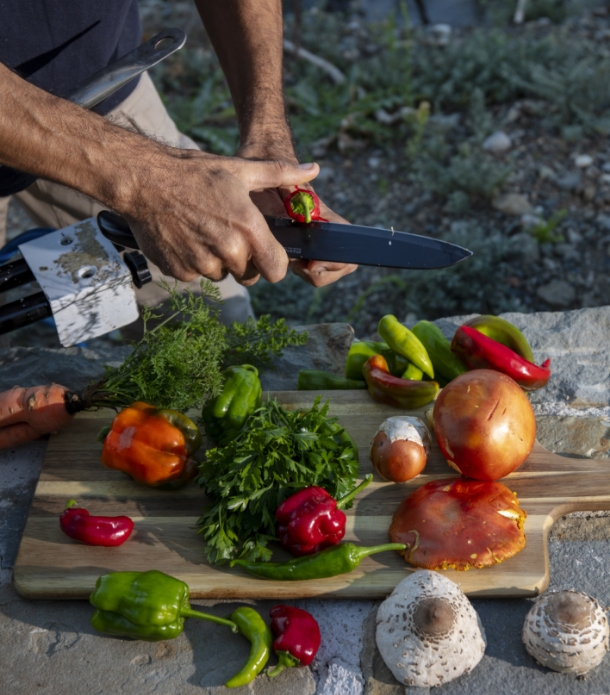
Simple, authentic and profoundly connected to the mountainous land that gave birth to it; this is the cuisine of Deskati. The mountains and the climate of the area have endowed the local table with earthy, rich flavored traditional dishes that win you over from the very first bite. Its greatest asset is its strong livestock tradition, deeply rooted in the past, providing excellent raw materials in meat and dairy products. Among dishes to definitely taste are boiled goat, braised kid in tomato sauce, pork with leeks, traditional sausages and smoked meats — ideal sides to accompany tsipouro and wine and products with a long-standing local history.
Enjoy the renowned PDO cheeses—anevato, batzos and feta—as well as the famous yogurt and fragrant fresh butter, which local housewives use for their standout trachanas and handmade pasta (hylopites). Up in the mountains, you will catch the scents of thyme, oregano, mountain tea and pennyroyal — aromas you can feel enriching the unique local products. If you are looking for a sweet finale, the fruits of Deskati —tsapourna (wild plums), walnuts, cranberries, cherries and apples— are turned into aromatic liqueurs and spoon sweets that will linger in memory, long after your journey to this Macedonian corner has come to an end.