

Holy Monastery of the Annunciation of the Theotokos in Paliouria
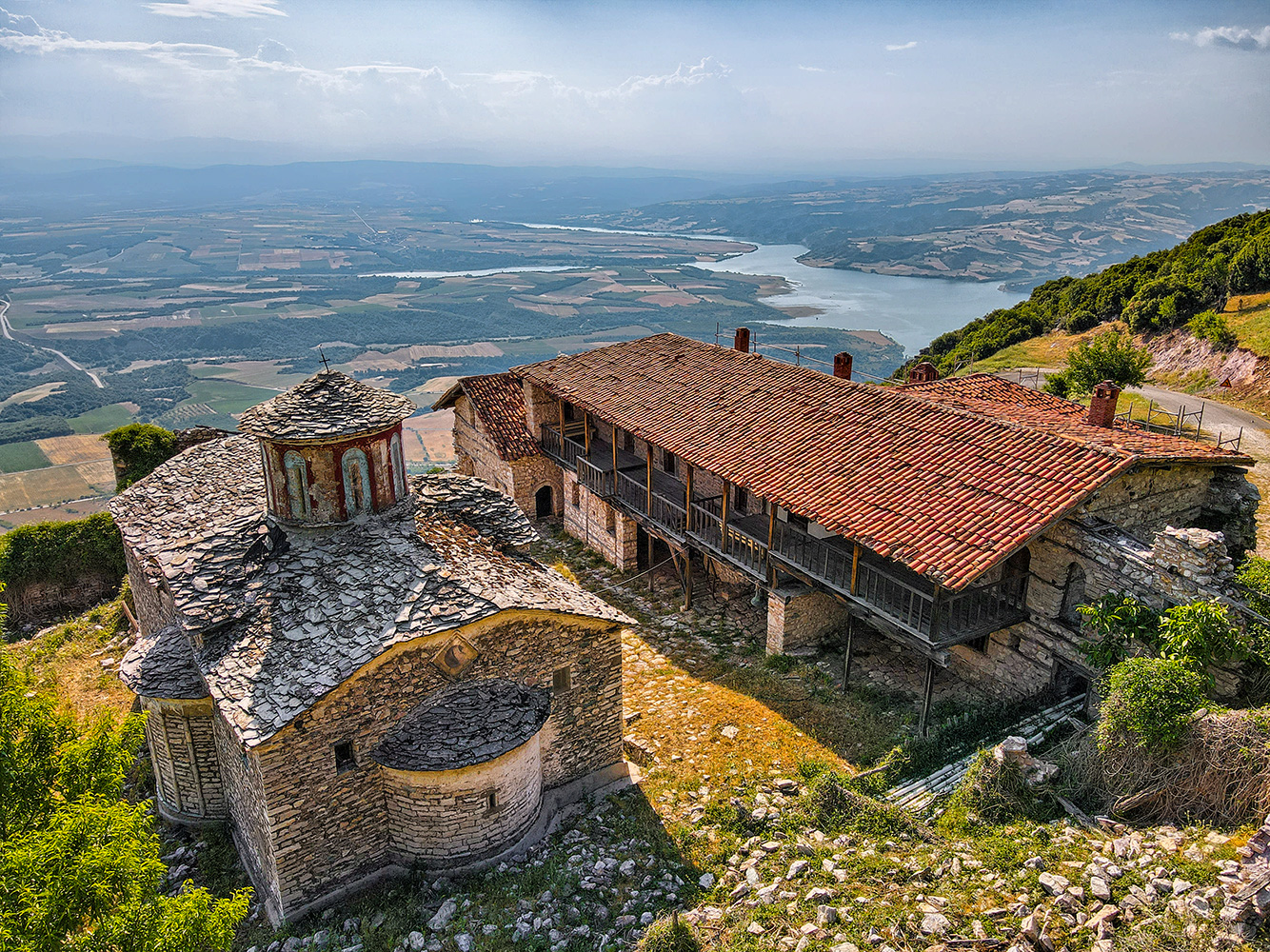
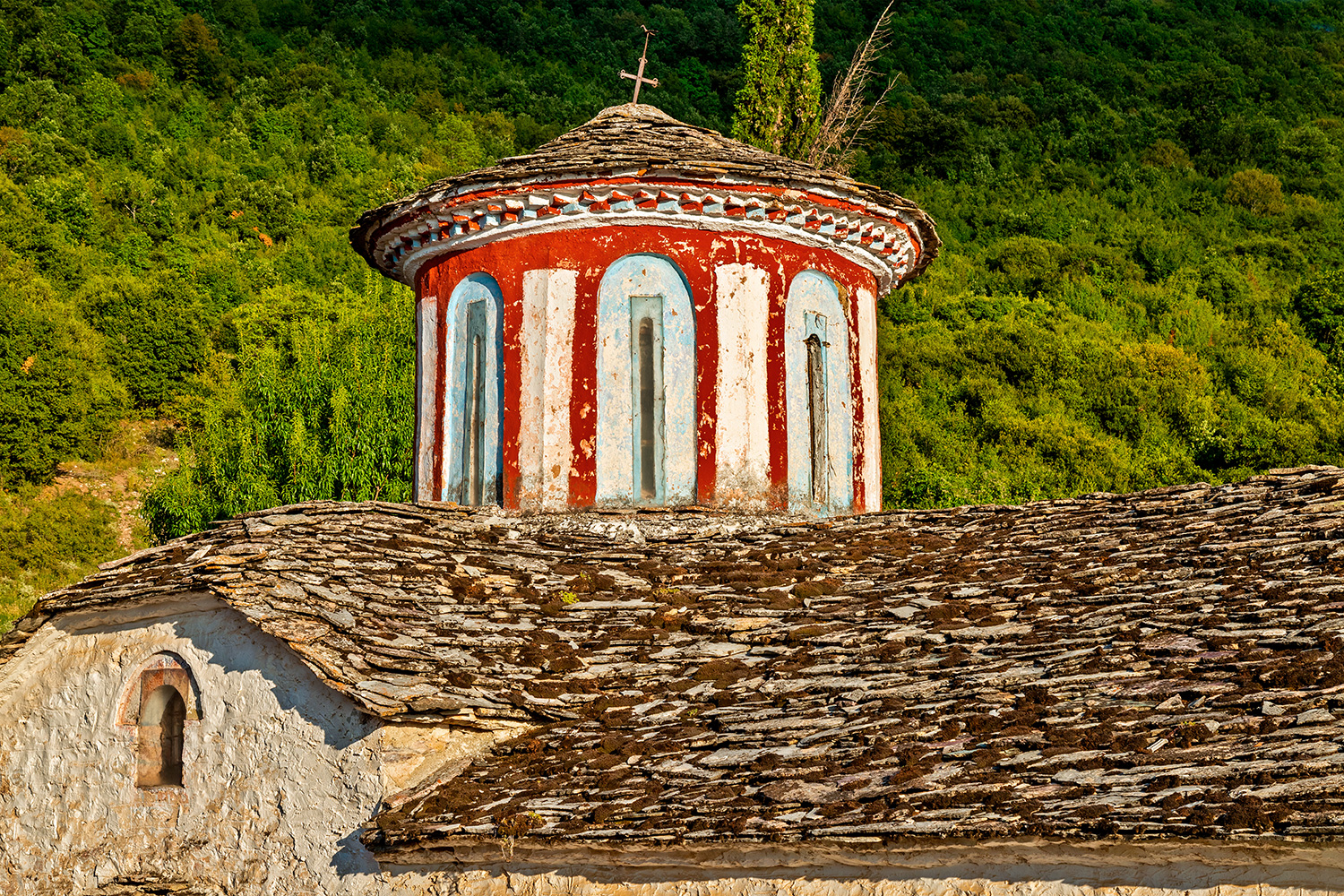
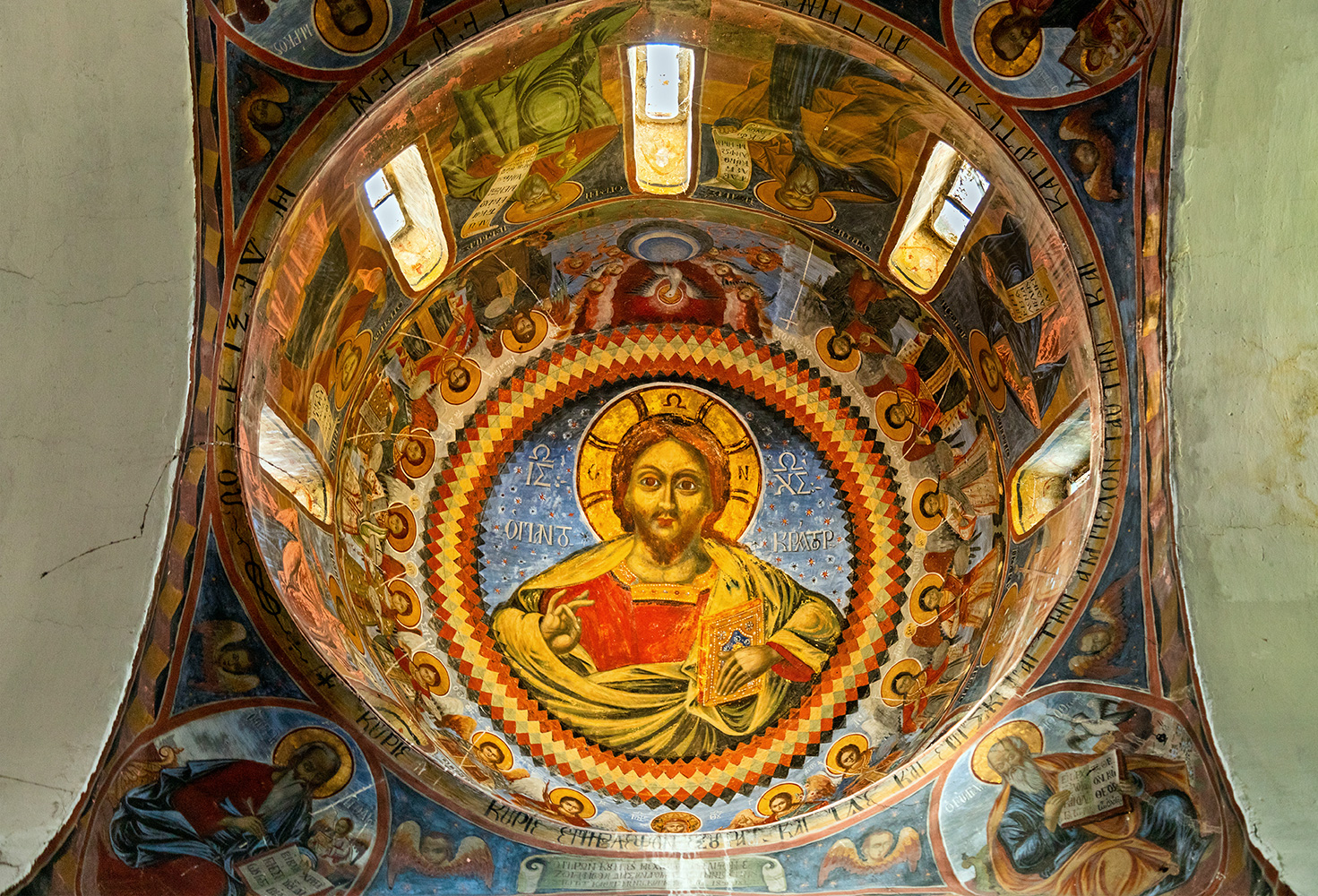
At the foothills of the Kamvounia mountains lies the village of Paliouria, within whose bounds stands the Holy Monastery of the Annunciation of the Theotokos. The Monastery is also known as Bounasia, named after the nearby peak — the highest of the Kamvounia. Perched at an altitude of about 1,000 metres on a mountain plateau, it offers a unique view toward Mount Bourinos, Vasilitsa, Pindos, the Agrafa mountains, Lake Ilarion and even Meteora, when the weather allows. The Monastery was founded in the 14th century and flourished greatly during the 18th century. Its katholikon, dedicated to the Annunciation of the Theotokos, belongs to the Athonite architectural type, with an impressive carved wooden iconostasis, one of the most beautiful among Orthodox churches. It was last renovated in 1814 after a fire, and operated as a cenobitic monastery until 1935—originally a women’s monastery, and from the 18th century onward, a men’s monastery. Among its icons, the resplendent painting of the Annunciation was particularly famous, as it depicted the Archangel offering the lily to the Virgin. Its post 1954 whereabouts are surrounded by legends and—mostly unverified—testimonies. During Ottoman rule, the Monastery served as a refuge for klephts, armatoles and the wounded, as well as a secret school. Later, important figures of the Macedonian Struggle, such as Pavlos Melas and Theodoros Ziakas, also sought refuge here. It amassed considerable wealth thanks to the cultivation of its lands and livestock farming, with particular development in beekeeping and cattle breeding, and it also established a bookbinding workshop. Despite the absence of a monastic community today, the Monastery remains an important historical and religious monument of the region and operates on major feast days.