Municipality of Servia
Lakeside charm, distinctive flavors, unique landscapes
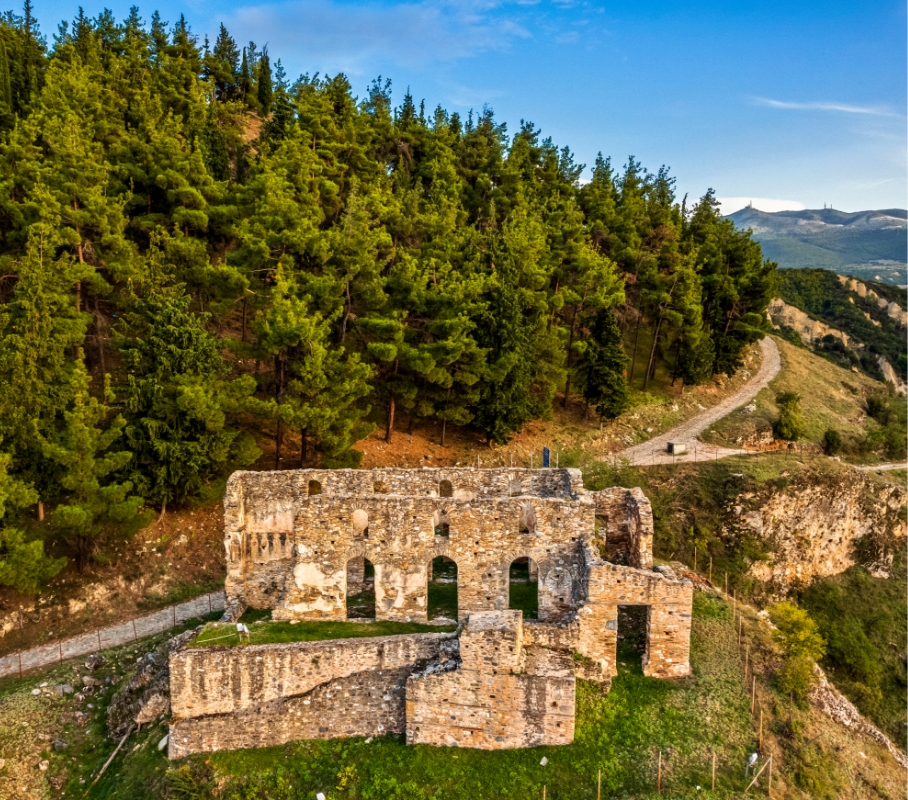
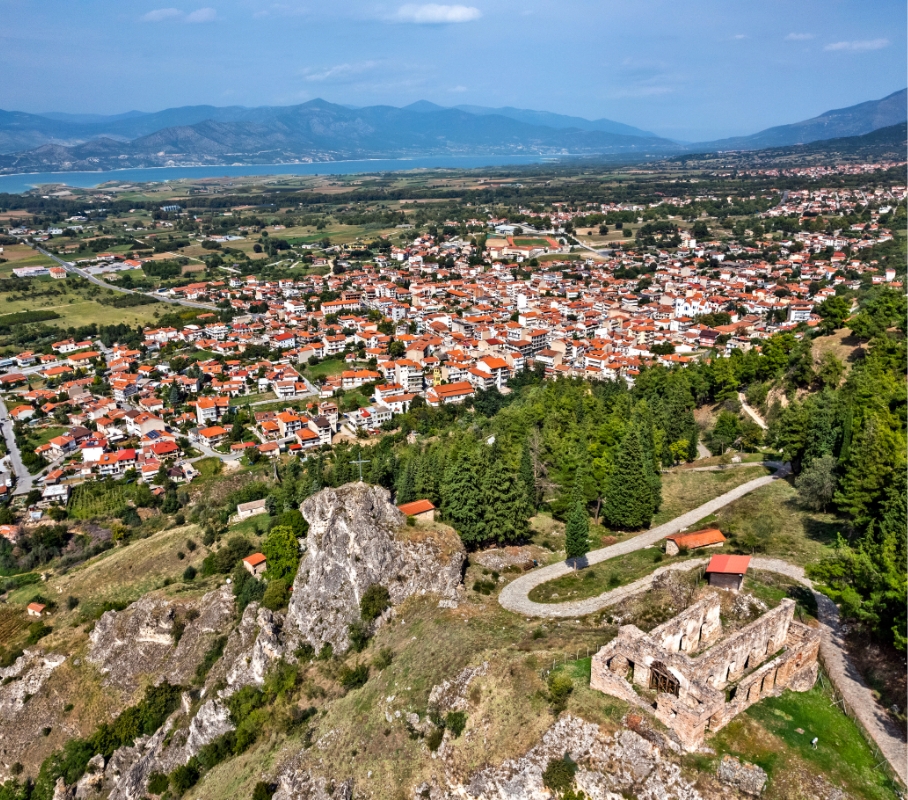
Along the historic route from North to South, you can feel the aura of the Byzantine castle-town that dominates the city of Servia. One can admire the unique landscapes of the homonymous Gorge and Lake Polyfytos, enjoy water sports and hiking in nature, celebrate at local festivals, experience ancient customs that have stood the test of time, and savor distinctive local flavors on a journey that you will cherish forever.
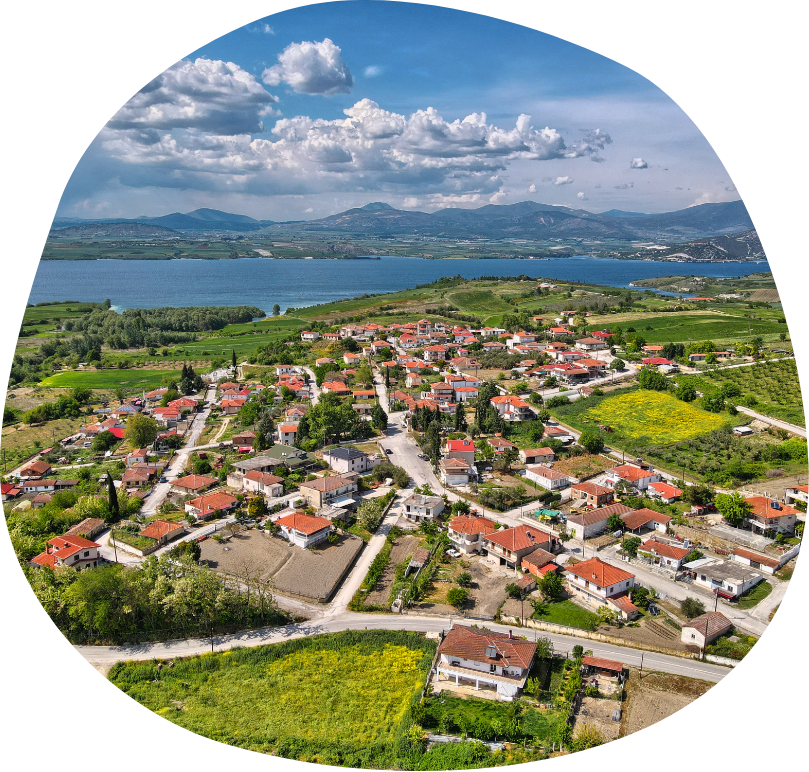
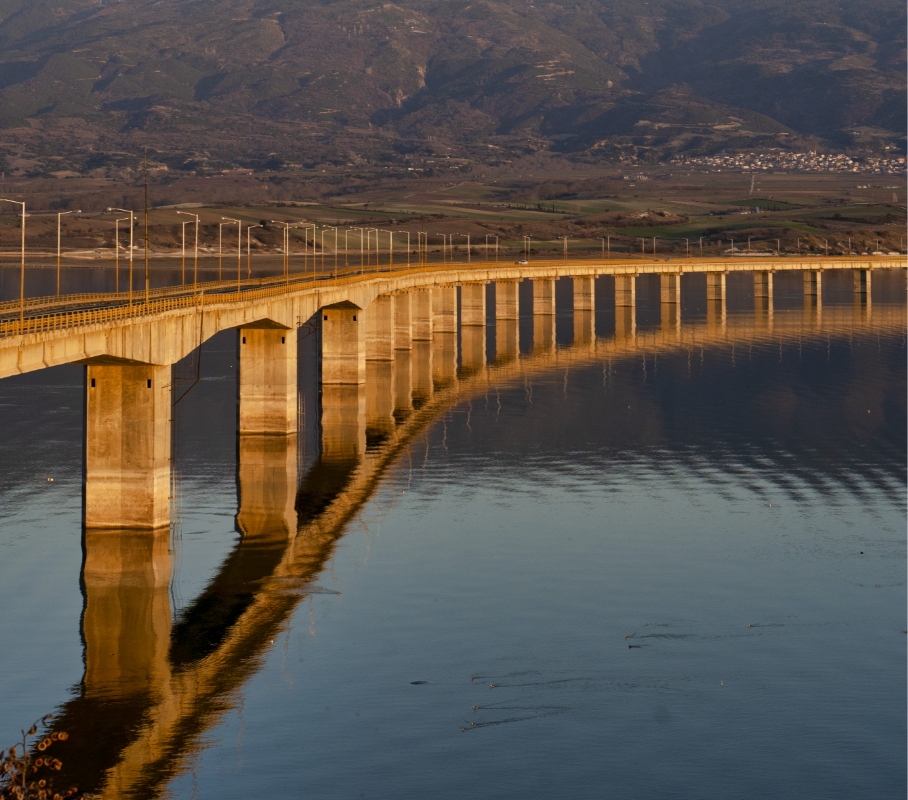
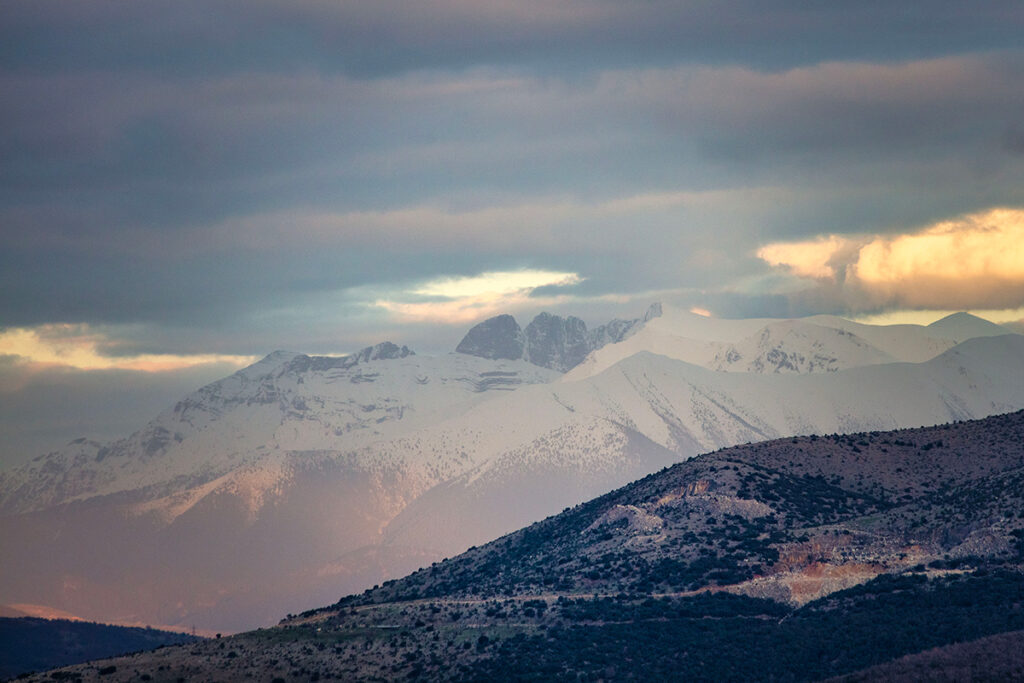
Stretching across the southern part of the Kozani Regional Unit, the Municipality of Servia holds one of the most strategic positions in Western Macedonia, as well as one of the most captivating ones. Its seat, Servia, combines a long-standing history with contemporary rhythms of life, in the shadow of a 6th-century Byzantine castle. Just a few kilometers away, the beautiful artificial Lake Polyfytos, the second largest in Greece, glistens like a mirror, creating scenes of breathtaking beauty. On the opposite shore, in the village of Neraida, which seems to hover above the water, you discover a large “balcony” with magnificent views, ideal for contemplation and peaceful moments. Climbing up to Kastania, at an altitude of 1,500 meters, you will encounter the panoramic views offered by this picturesque settlement. If you wish to explore a whole different side of the region, do not miss a visit to Tranovalto, where you can observe marble extraction and processing at the village’s modern facilities.

Echoes of the past
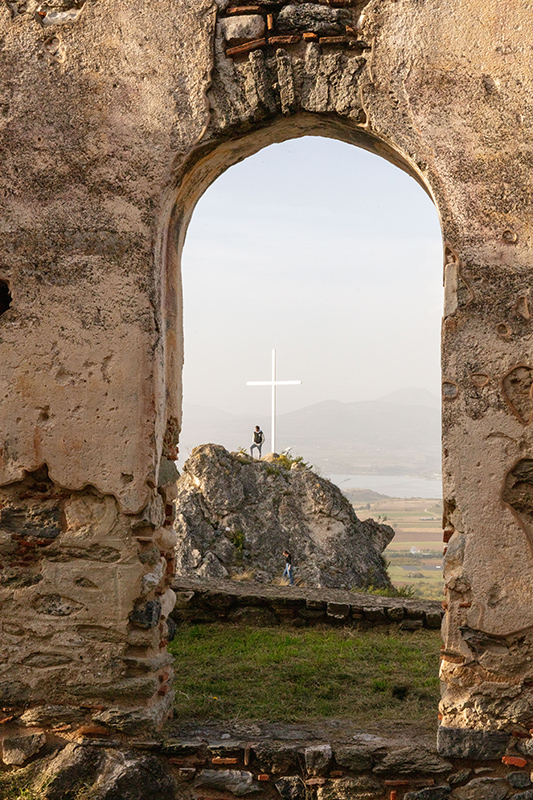
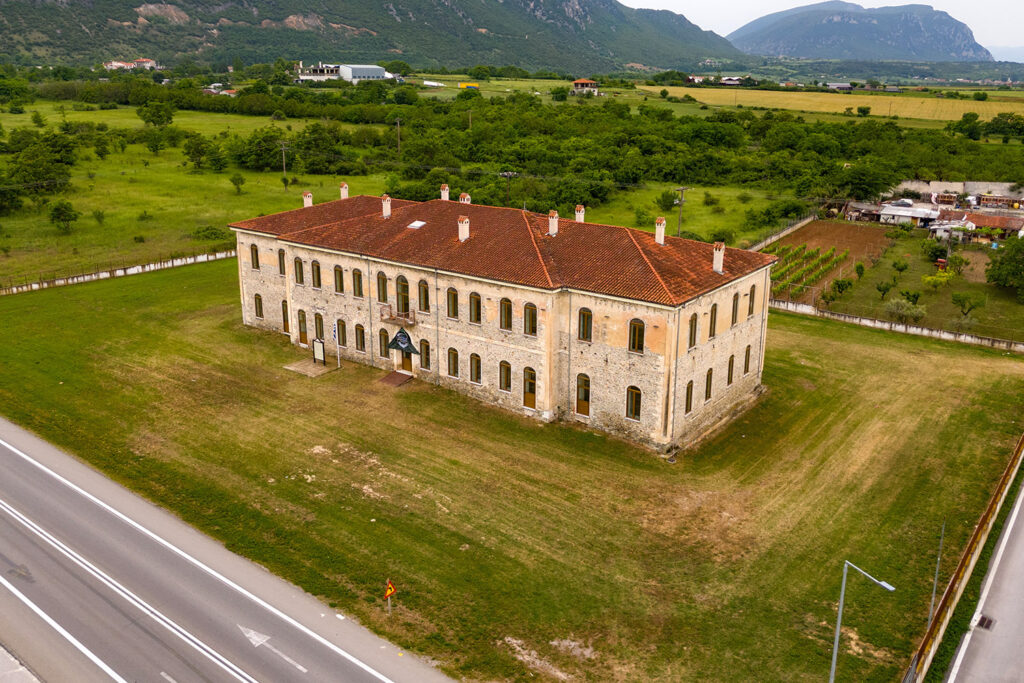
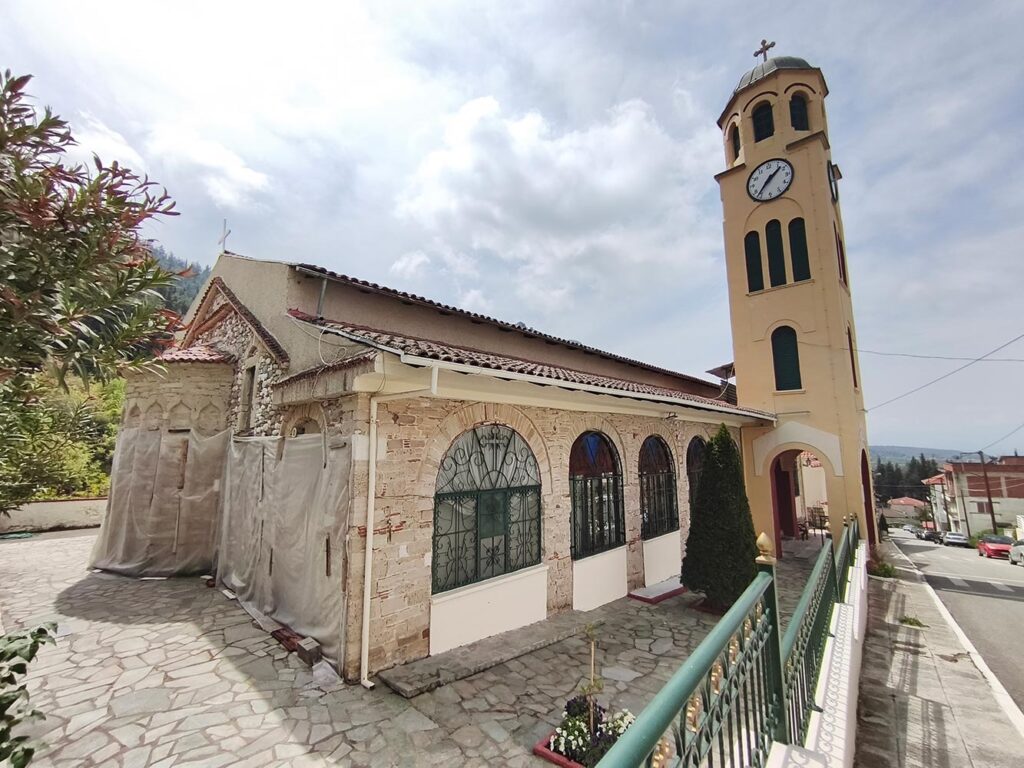
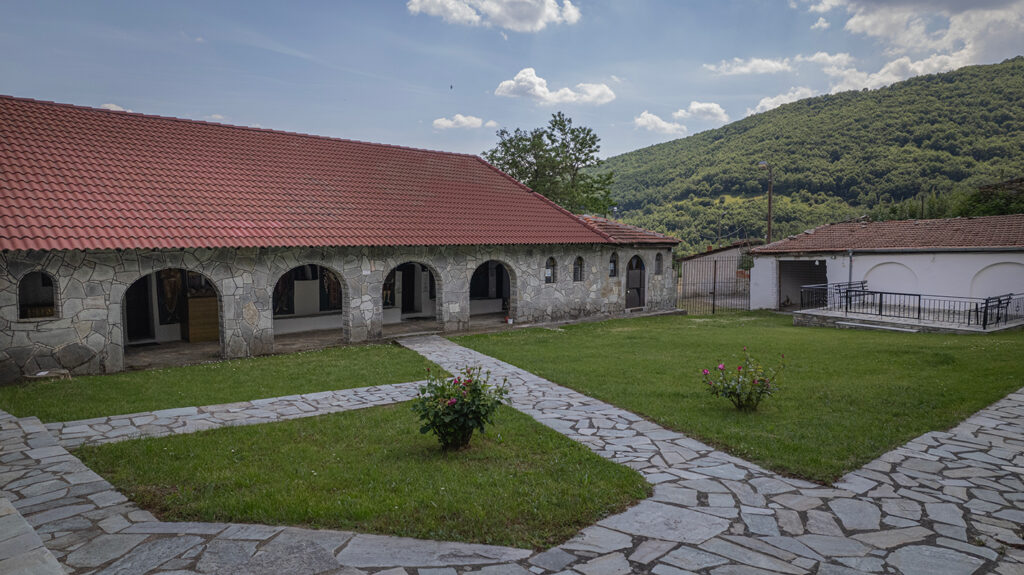
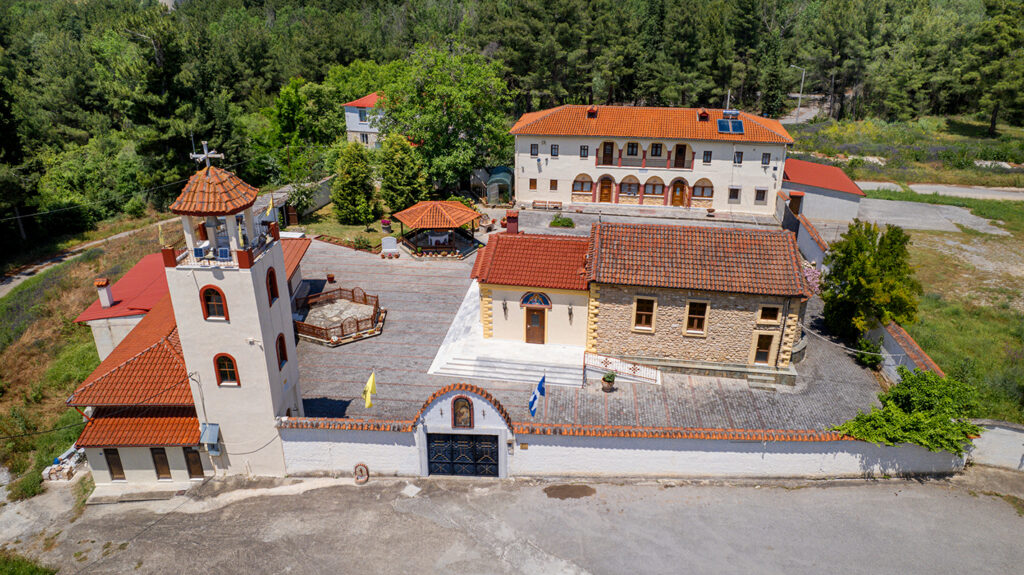
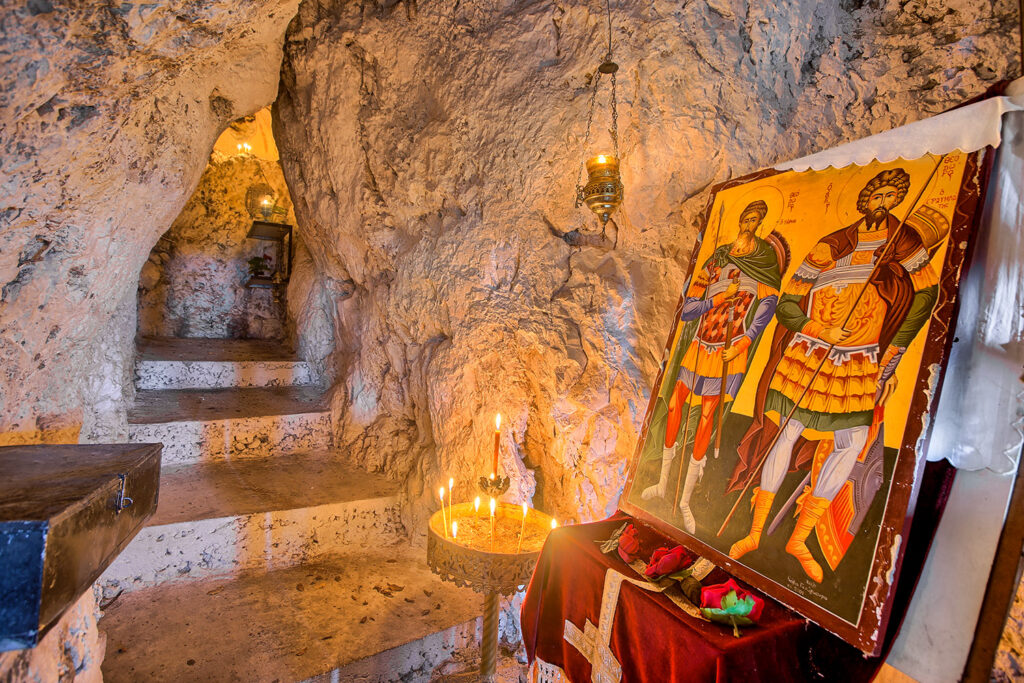
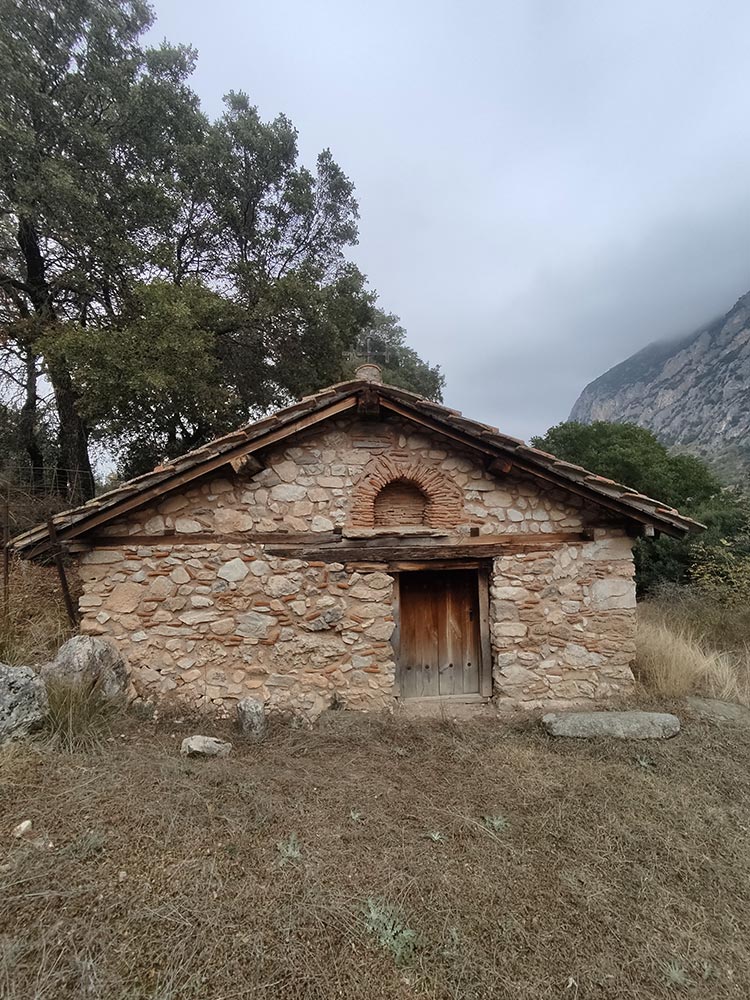
Walking through Servia, you feel the whispers of time accompanying you and sense the echoes of the adventurous journey of a place inhabited since prehistoric times. Churches, hermitages, and chapels scattered throughout the area testify to its enduring spirituality, while important monuments and landmarks recount stories spanning centuries: from the 6th-century Byzantine castle-town and the Monastery of Saint Anthony of Siapka (11th century) to Panagia of Zidanio (16th century) and the Turkish School (19th century).
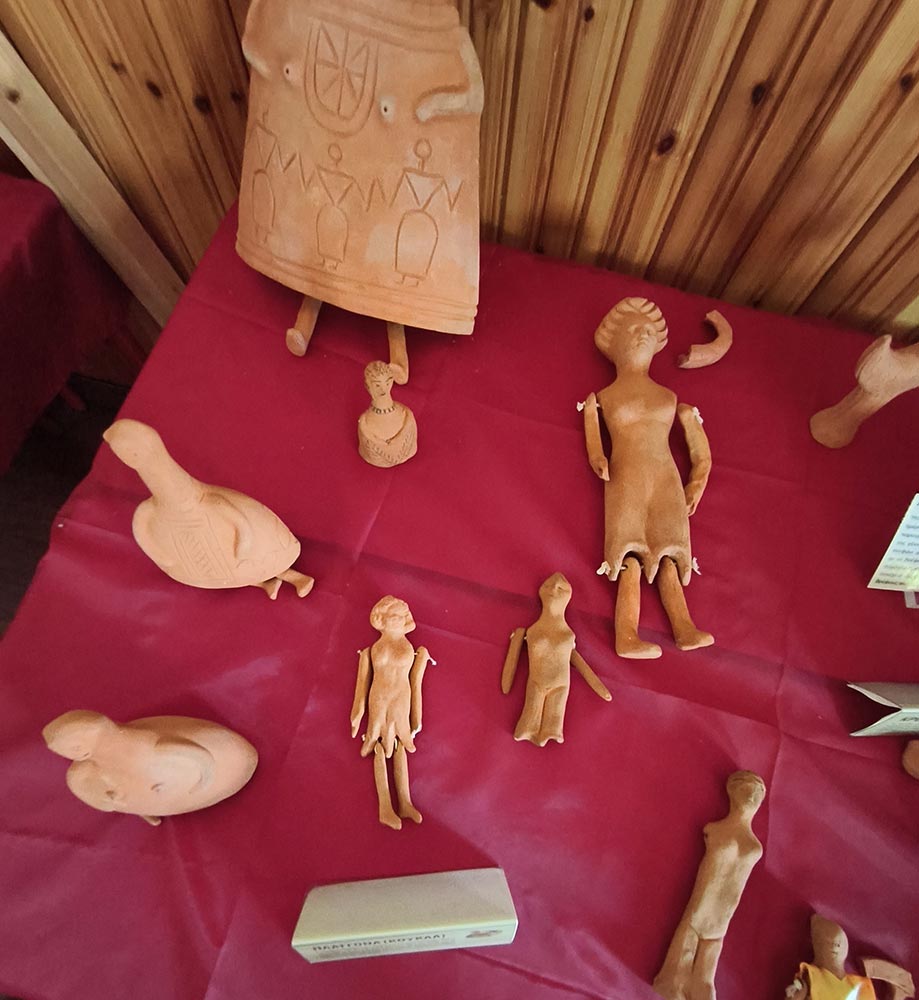
During a visit to the municipality’s six folklore museums, you travel back in time through objects, textiles, and tools that keep memory alive, while the Museum of Traditional Toys reveals that the joys of childhood know no age.
If you find yourself in Servia during days of traditional celebrations, you will experience something truly authentic: Rougkoutsaria, Fanoi, Kourbani, and Lazarines keep the flame of tradition alive, inviting you to become part of it.
Enchanting nature and outdoor activities
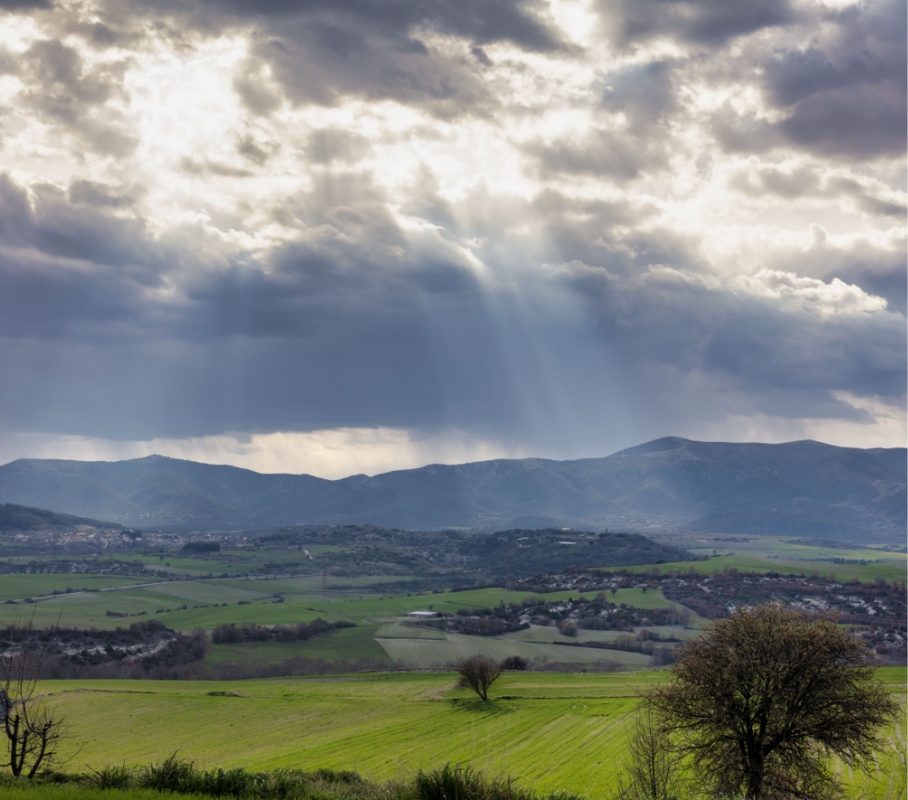
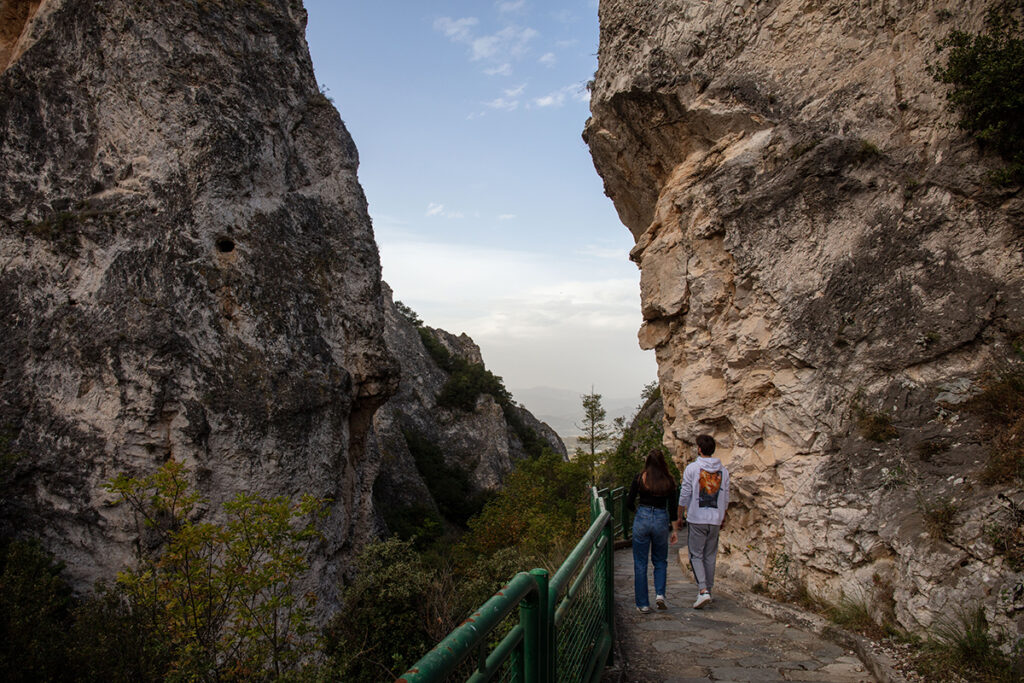
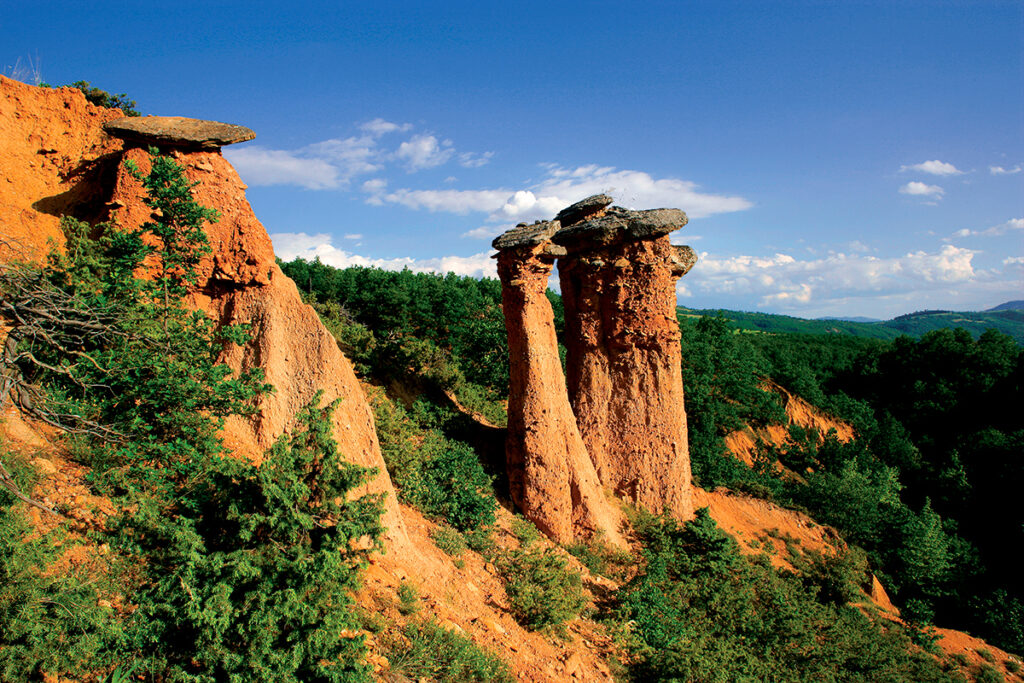
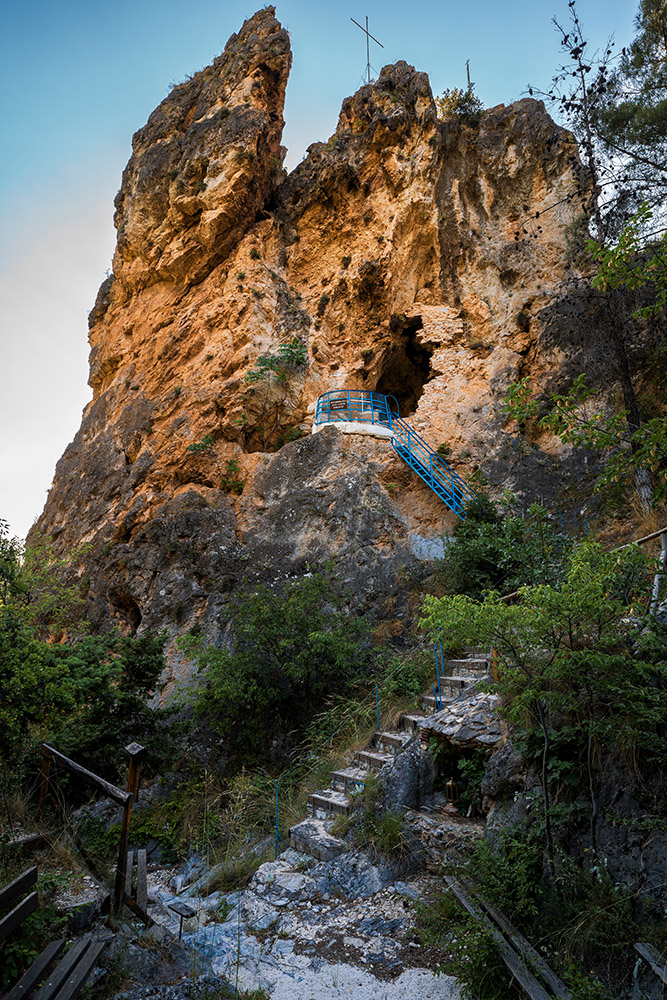
The rich natural landscape of Servia does more than create postcard-perfect images; it also offers opportunities for unforgettable outdoor experiences. What awaits is exciting water sports, cycling races, and lakeside walks at Lake Polyfytos, as well as unique hiking routes in the stunning Gorge, and a mountain race on the Byzantine hill of Servia, with its breathtaking views. In Servia, you will also encounter the famous Boucharia and Nochtaria, unique geological formations in Greece reminiscent of Cappadocia, and be captivated by the waterfalls and streams of Platanorrema, which transform even the simplest walk into a highlight of your journey.
Local flavors and distinctive festivals
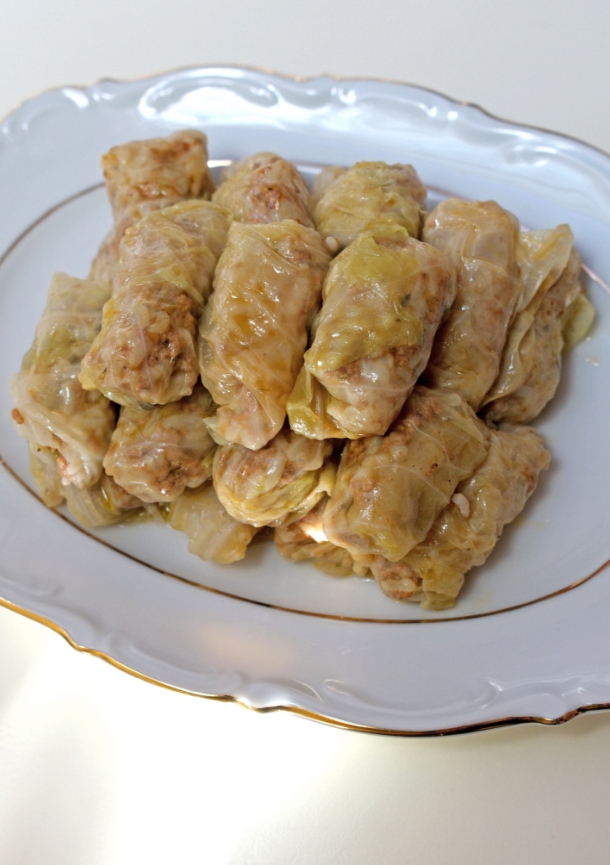
To truly get to know Servia, you must taste its flavors. Take a look at the events calendar and local gastronomy, and prepare for moments that combine festive spirit, live music, and culinary delights: the historic Servia Trade Fair in September, the Wine Festival in Mesiani in August, and the Yaprakia Festival in December bring locals and visitors together around shared tables. If you are a foodie, you will enjoy experiences centered on olives and olive oil in Imera and Servia, as well as cheese tastings in Lefkara. Yaprakia, battered meatballs, and goulachlia are considered among the iconic dishes of Servia — flavors that carry memories of generations and keep the Macedonian spirit alive on your plate.
Servia, the guardian of the passes
From prehistory to the modern era, the strategic location of Servia along the passage from North to South has shaped its long history. Here, you walk along the very same paths once crossed by armies, kings, and saints.
The area of Servia has always served as a gateway for those traveling across Greece. Its natural fortification was so strong that even Xerxes failed to conquer it in 480 BC. According to Emperor Constantine Porphyrogenitus, the city was founded in the 7th century as a fortified settlement, to protect against invasions from the Slavs. Around the same time, the fortress was constructed and the Acropolis, Upper Town, and Lower Town were established — a castle-town that would remain the heart of the region for centuries.
In 1393, Servia fell into the hands of Sultan Bayezid I, and, a few decades later, around 1430, the Byzantine city was abandoned as its inhabitants gradually moved to its present location. In 1882, the Ottomans declared Servia as the seat of an autonomous sanjak, a status it retained until 1912, when it was liberated. That day, however, remains etched in the region’s memory with sorrow, as 117 local dignitaries were executed by the Turks.
After the Asia Minor Catastrophe, refugees settled in the area, bringing with them new traditions, flavors, and customs that took root in the region. In 1943, during the Nazi Occupation, Servia was completely destroyed by the Italian army, yet the spirit and resilience of its people endured. After the war, the town was rebuilt and became the seat of the municipality, continuing to serve as a vibrant center of history, life, and culture.
Personalities who left their mark
Several notable figures are associated with Servia. Among them stands Saint Theodora, Queen of Arta, who was canonized after her death in 1281, as well as the 17th-century scholar Georgios Kontaris, who promoted education and intellectual life. From more recent times, distinguished figures include Zisis Sotiriou, a fighter in the 1854 uprising, and Captain Papadimos, who fought against the Ottomans in the late 19th century.
Rougoutsaria, Fanoi, Kourbani, and Lazarines invite you to an “old-timey” celebration
These customs, whose origins are lost in antiquity, preserve intact the joy and ecstatic spirit of traditional folk celebration.
Everything you shouldn’t miss in Servia
To cycle by the lake or to do a race on the Byzantine hill? Ancient games, traditional festivals, and food celebrations — or perhaps agritourism experiences centered on cheese and olive oil? In Servia, you can find exactly what you are looking for, presented in a most distinctive way.
Action, nature, and experiences by the water
Hiking alongside waterfalls and streams, water sports, and coffee by the lake — traveling to Servia means close contact with nature, activity, and relaxation in a landscape well worth exploring.
Sports at Lake Polyfytos
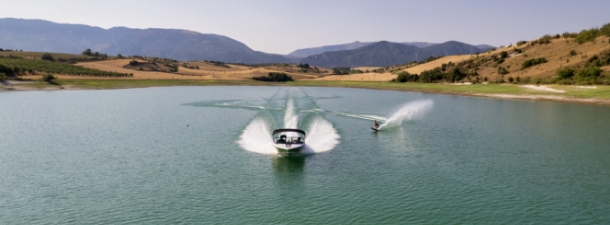
If you are looking for active engagement with nature combined with relaxation, Lake Polyfytos and its stunning scenery is the perfect outdoor choice. The area features organized facilities for water skiing, rowing, SUP, and boat rides. You can also participate in sports, training, and recreational programs connected to water and nature. If you prefer a more relaxed pace, there are designated rest areas by the lake offering shade, coffee, food, and drinks from morning until evening.

Hiking
In the Platanorevma area of Servia, the mountain trail known as the “Tranos Lakkos Trail” offers a unique experience for nature lovers, in a passage through ravines, streams, and natural waterfalls. Along the route, you will encounter eight small dams as well as rest stops with kiosks beside flowing waters. The trail is clearly marked to ensure safe navigation.
Olive and Olive Oil Experiences in Imera and Servia
Discover the world of Kozani olives up close. In Imera, you can visit a modern olive mill, learn about the stages of olive oil production, and taste fresh, aromatic oil directly after production. In Servia, a beautiful hands-on experience awaits you at a farm suitable for visitors of all ages: walking through the olive groves, taking part in the olive harvest when the season allows, and enjoying olive oil tastings.
Cheese Tasting in Lefkara
It is well worth visiting a local dairy facility to sample cheeses made from exceptional sheep’s and goat’s milk from the region’s pastures: feta, graviera, goat cheese, and yogurt. This authentic tasting experience beautifully blends tradition with the quality of modern production.
A taste of Servia!
With its strong agricultural character, Servia unfolds a rich gastronomic tradition closely bound to the produce of its land and the microclimate of Lake Polyfytos. Here, you will savor an authentic local cuisine with distinctive flavors.
In Servia’s Imera, where olive trees grow along the lakeshore, you will taste fine olive oil with a rich aroma and high nutritional value. In Kranidia, formerly known as “Prasochori” (Leek Village), you will enjoy the famous local leeks, whose exceptional quality is a result of the area’s unique natural conditions. In Kastania, at an altitude of 1,050 meters, you will savor outstanding potatoes, while in Platanorevma of Kozani and the plains of Servia, you will find delicious walnuts used by locals in traditional sweets as well as in the production of walnut oil.
Local cuisine and signature dishes
Every dish in Servia reflects the land and climate of the region, the labor and stories of its people, as well as the wisdom of rural households in managing their food resources. The flavors of tradition and homemade warmth are expressed in dishes that invite you to discover them one by one.
Yiaprakia —stuffed rolls made with pickled cabbage leaves (armia), filled with ground meat and rice— are slowly cooked until tender and are the most common Christmas dish of Servia, holding a special place on the winter table. On the same flavorful journey, you will also encounter crispy meatballs coated in a light batter, a memorable and delicious local treat. To finish, try goulachlia, the traditional homemade pasta of Servia, cooked with local cheeses — the ideal dish to warm up on cold winter days.