Municipality of Eordaia
Welcome to the homeland of the Ptolemies!
A land with ancient roots… A fertile land that preserves the traditions of its rural communities… A resilient area that once identified with power generation, now oriented toward the path of green transition… In the northwestern part of the Kozani Regional Unit, the Municipality of Eordaia awaits you with experiences filled with history, nature, culture, entertainment, and authentic hospitality.
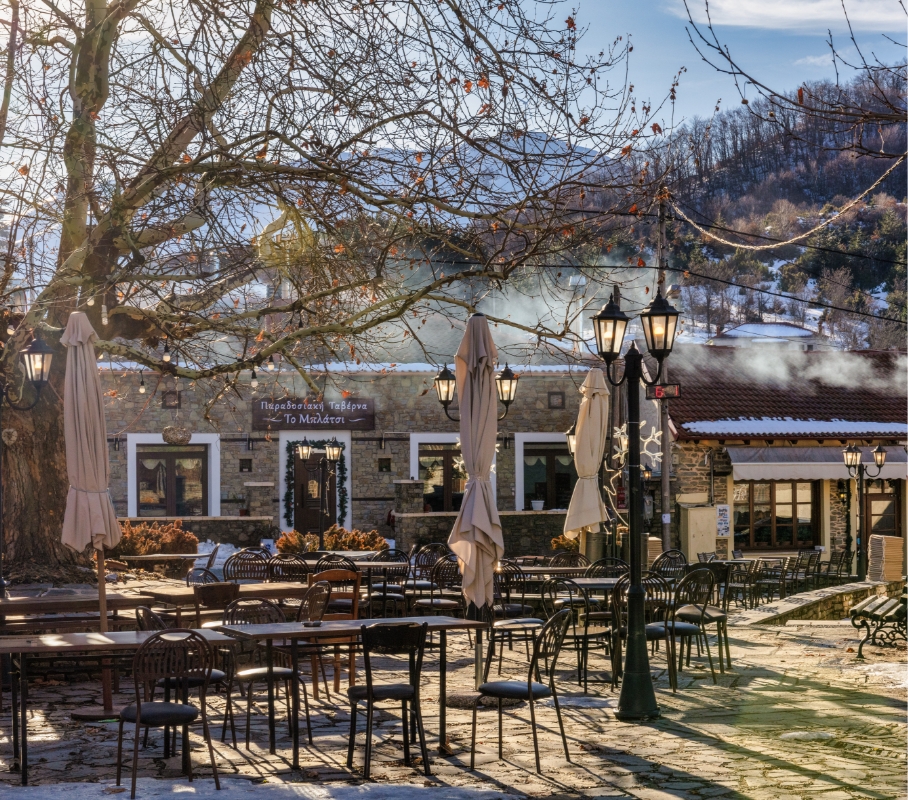
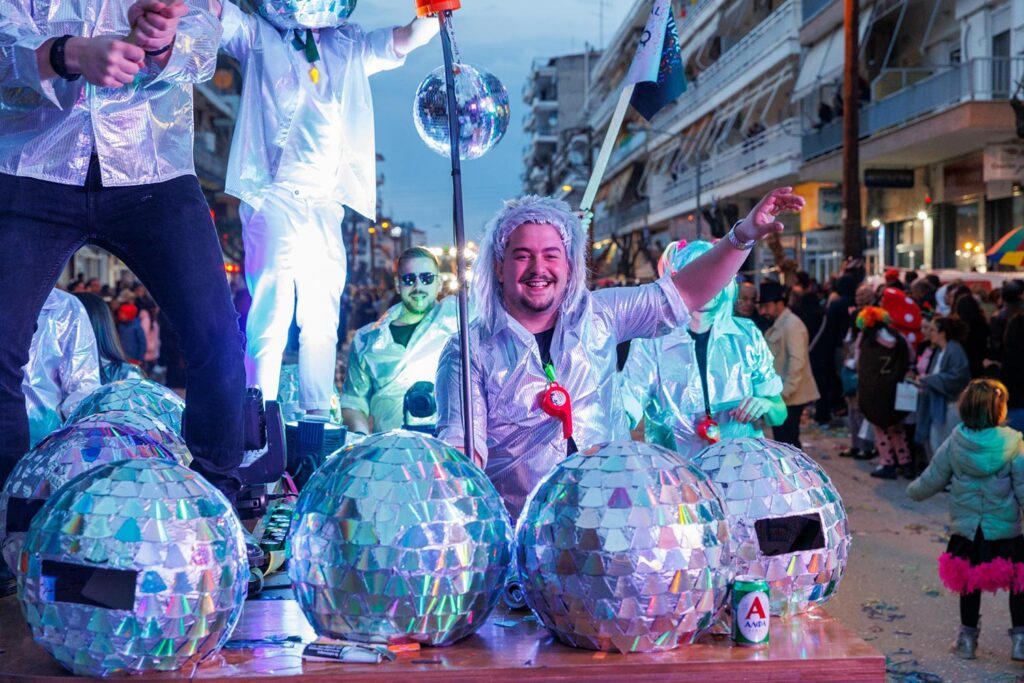
The seat of the Municipality of Eordaia, Ptolemaida is a lively city with lush parks for strolling, a large commercial market for shopping, squares lined with vibrant cafés, bars, restaurants, and landmark public buildings. It is an ideal base to explore the surrounding area and, depending on the season of your visit, major festive events await you, such as the “KarVonval” Carnival Parade, the Thracian Epilinia Festival, the Trade Fair, and the dazzling month-long Christmas celebrations.
Around the villages: history and picturesque charm
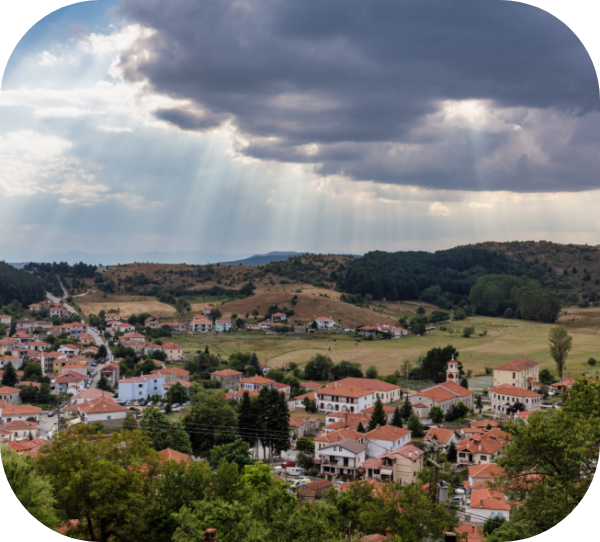
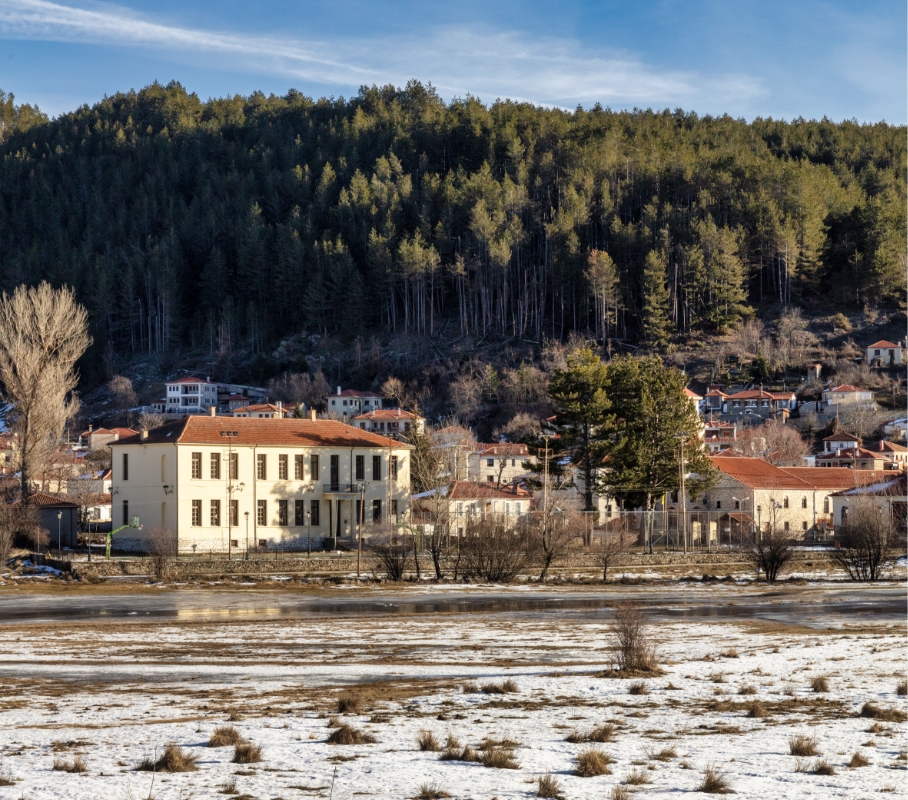
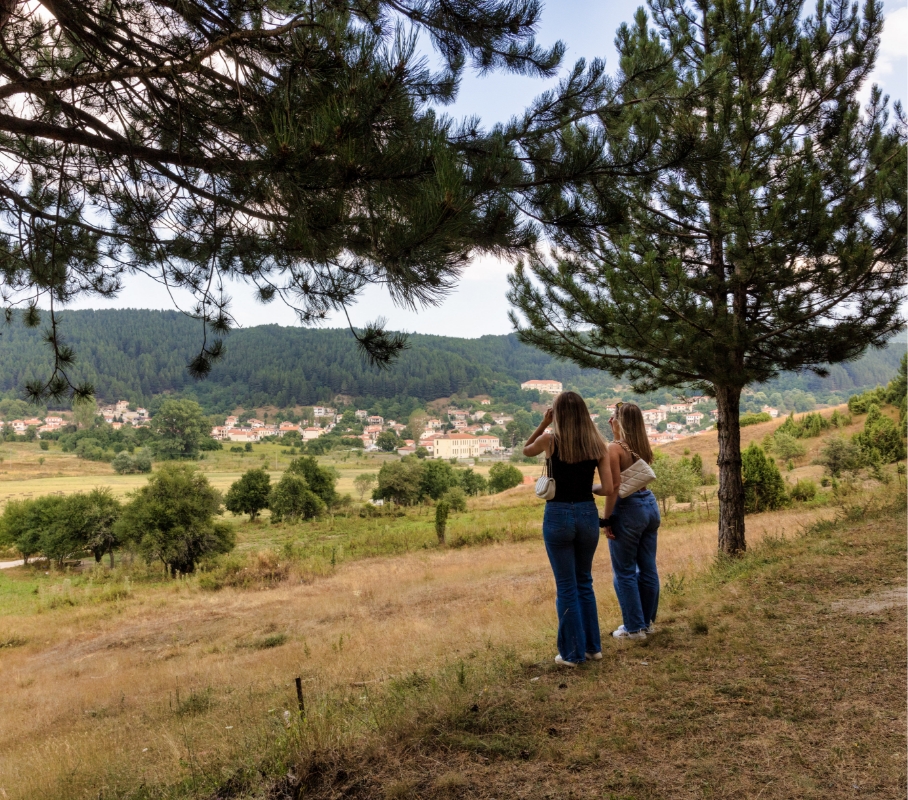
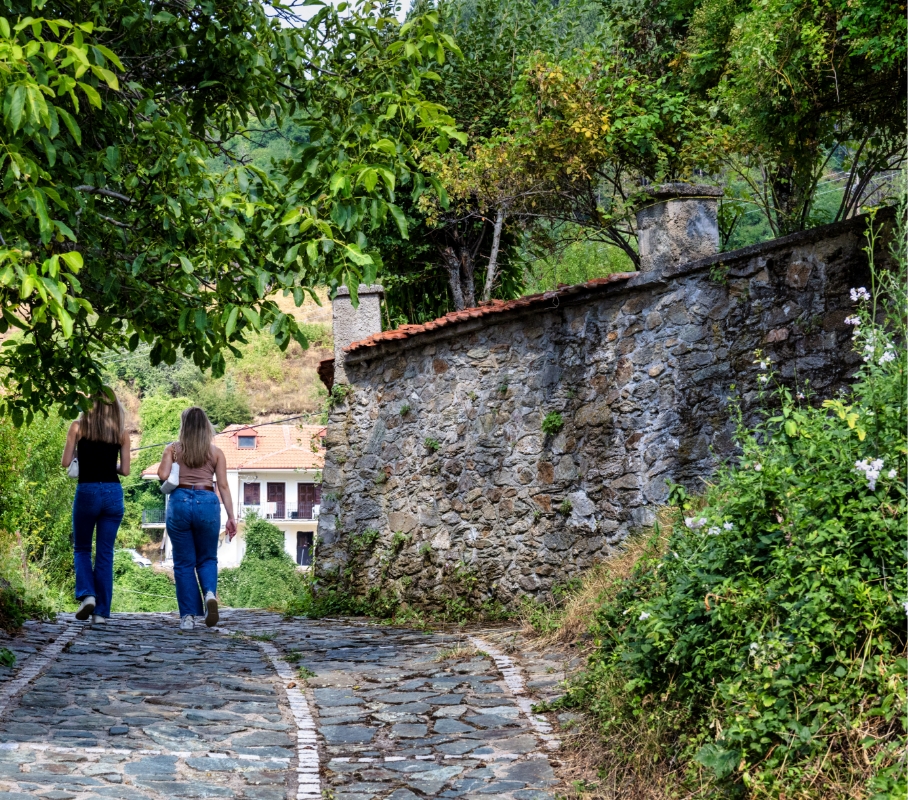
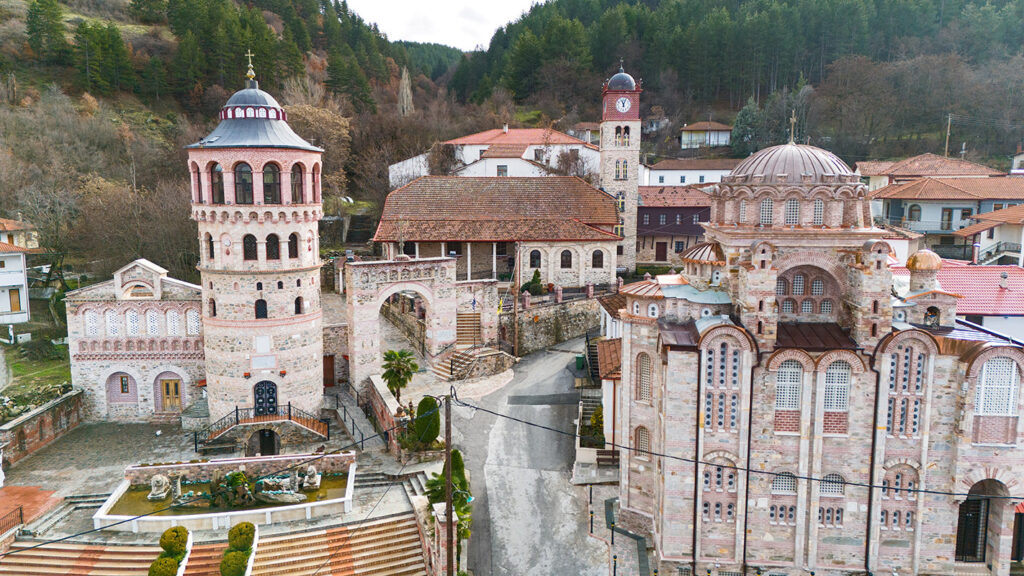
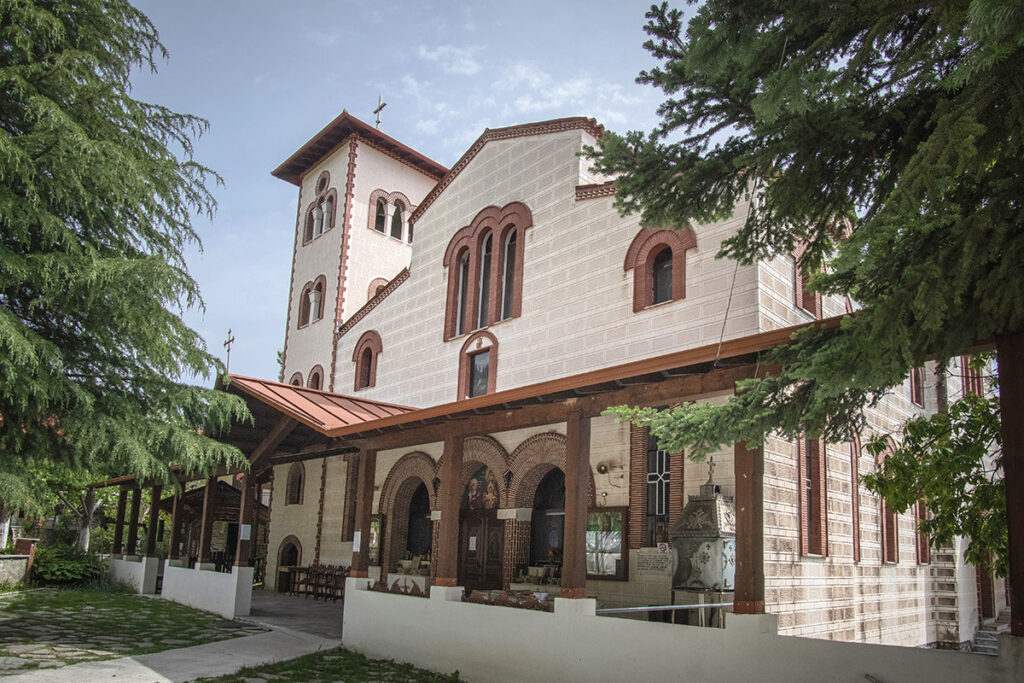
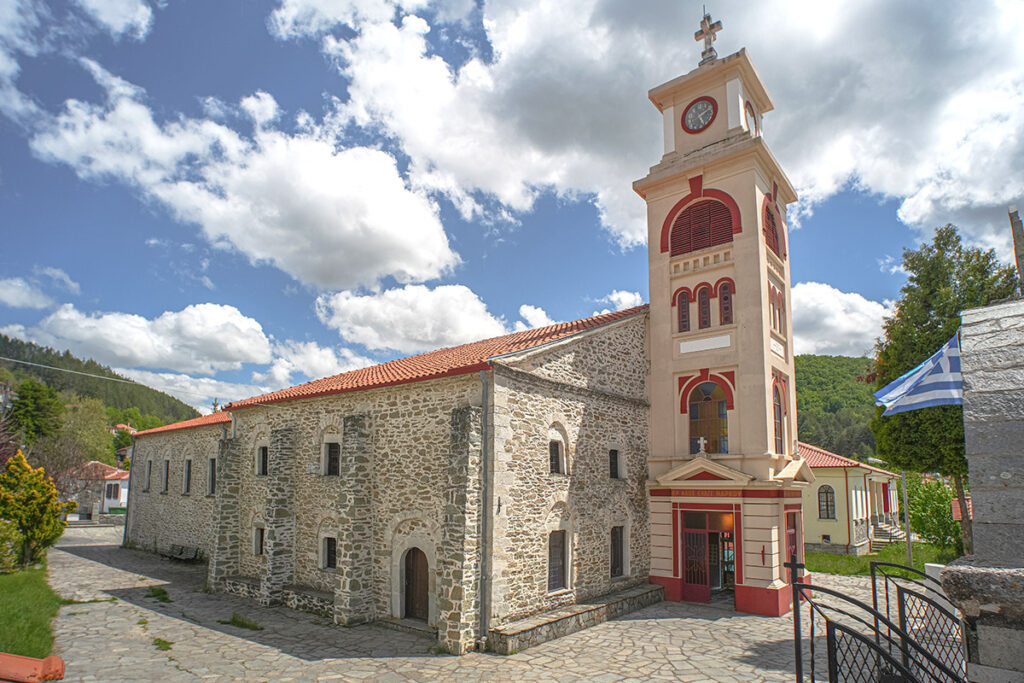
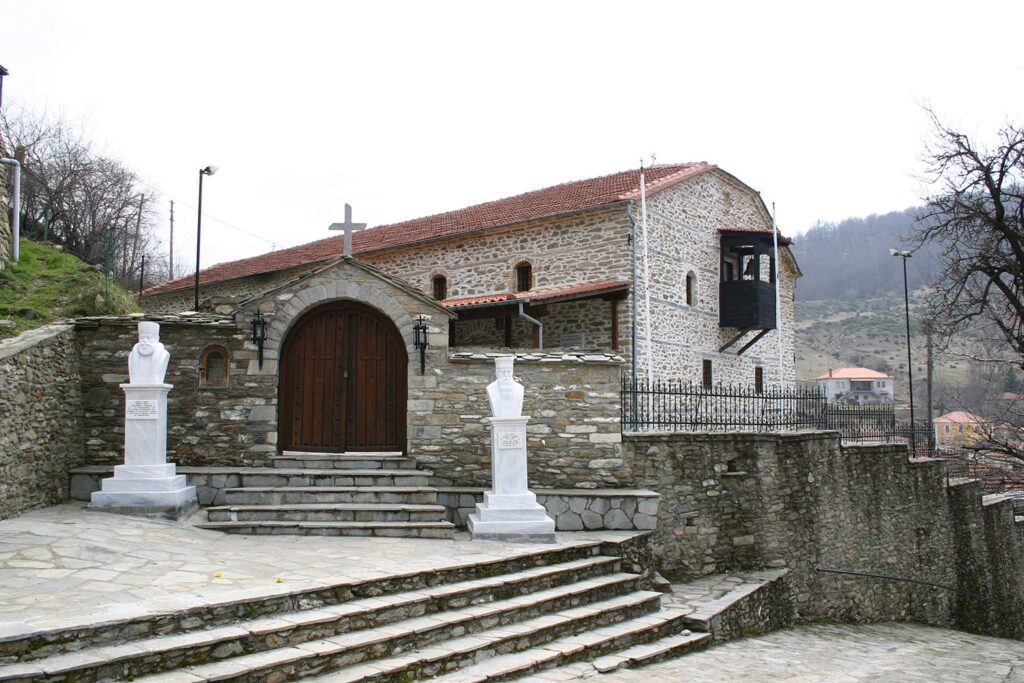
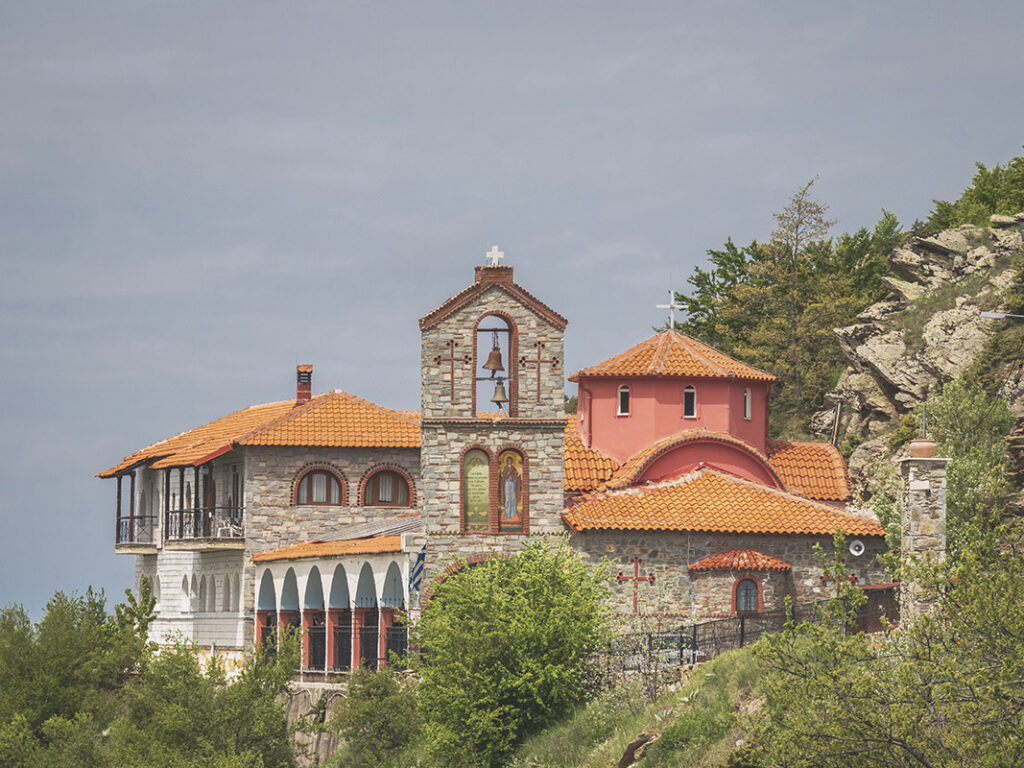
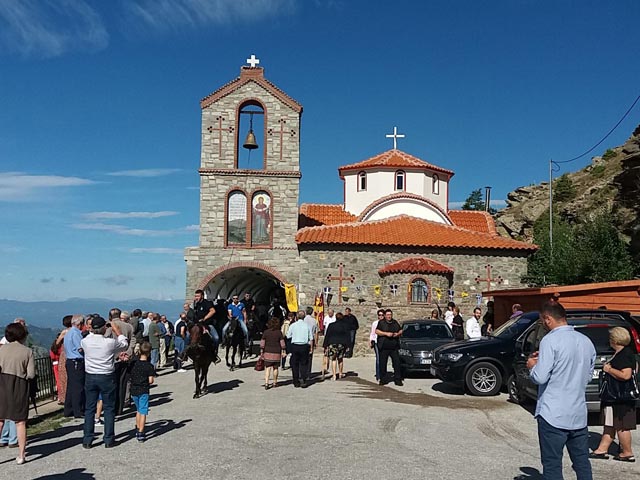
In Eordaia, you will feel the weight of history in martyr villages such as Mesovouno, Pyrgoi, and Ermakia, which suffered great destruction during the German Occupation. You will also discover mountain settlements that will captivate you with their charm. In Vlasti, at an altitude of 1,200 meters, you can stroll along cobblestone alleys and admire stone-built houses, traditional manor houses, fountains, and historic churches such as the Holy Monastery of Saint Panteleimon, Saint Minas, and Saint Nicholas, as well as notable architectural landmarks including the Thomaideio School, the Music Girls’ School, and the Swedish Factory. Be sure to taste its exceptional manouri cheese. Emporio will enchant you with its traditional vibes. Do not miss a stop at the Holy Church of Saint Minas, one of the most important ecclesiastical and cultural monuments in Western Macedonia.
Worth a visit
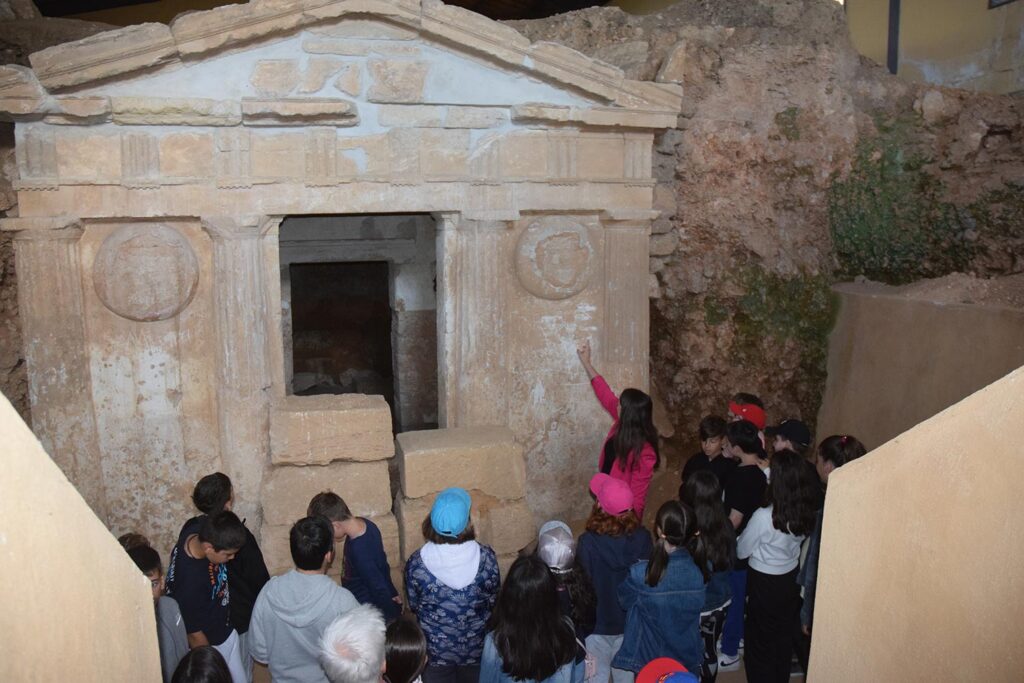
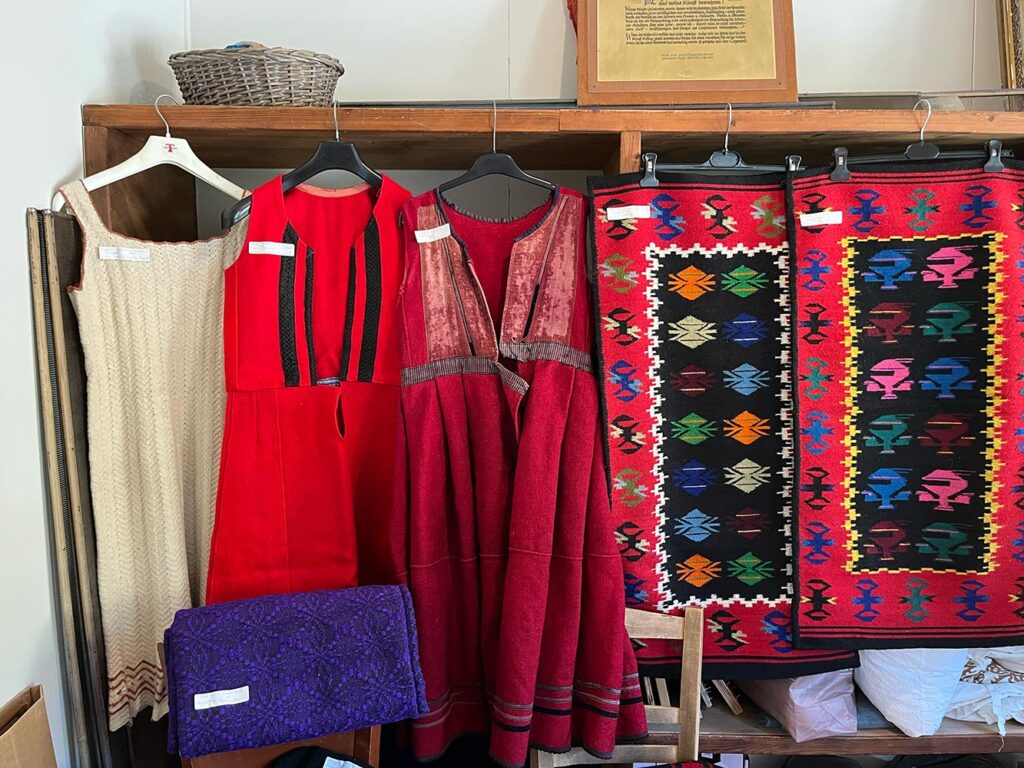
The unique Macedonian tomb of Spilia, as well as the Paleontological Museum in Perdikkas, where the skeleton of the oldest mammoth in Europe is exhibited, are two attractions you should not miss. Also explore the folklore collections in Olympiada, Ermakia, Galateia, and Karyochori.
Rich traditions and a miscellany of festivities
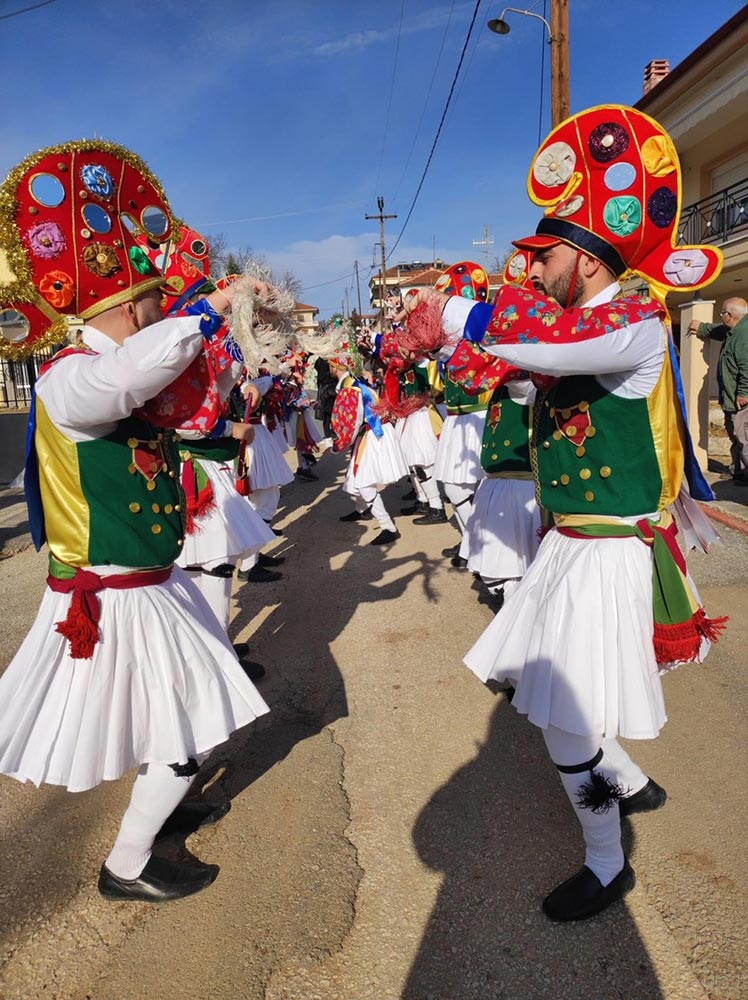
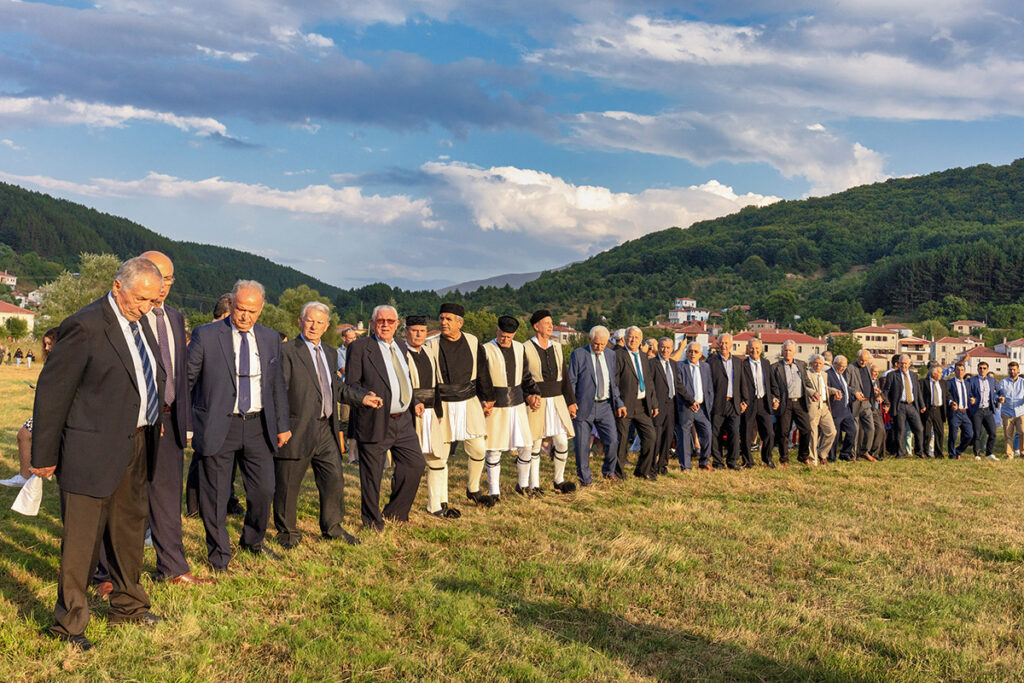
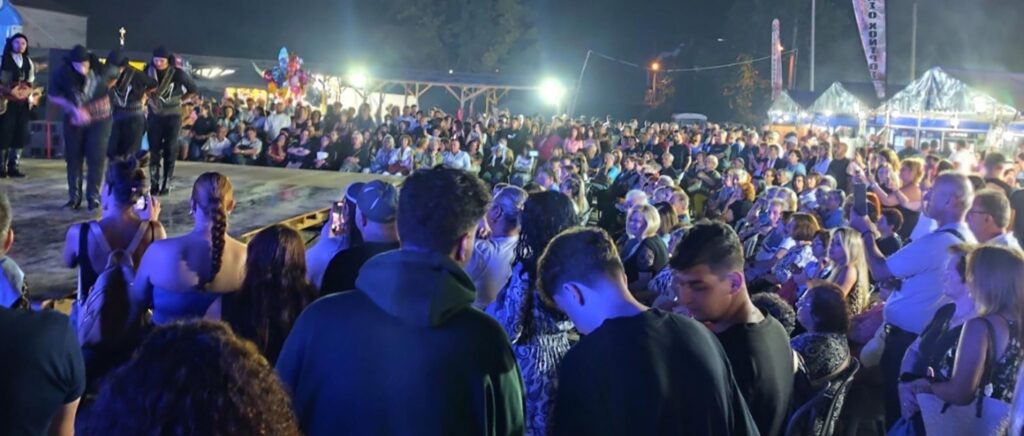
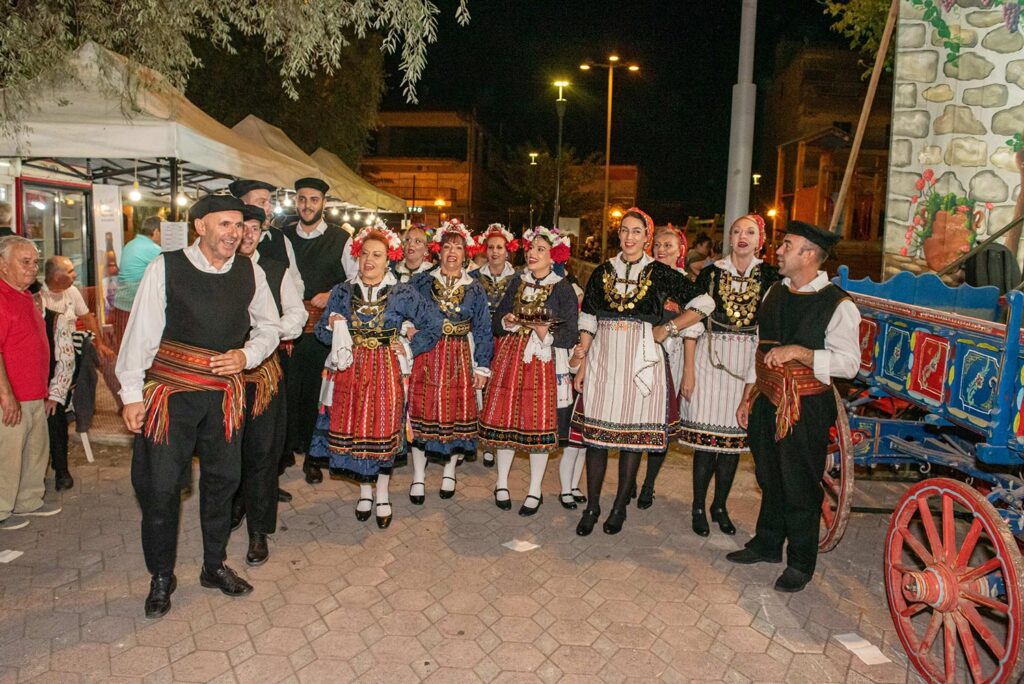
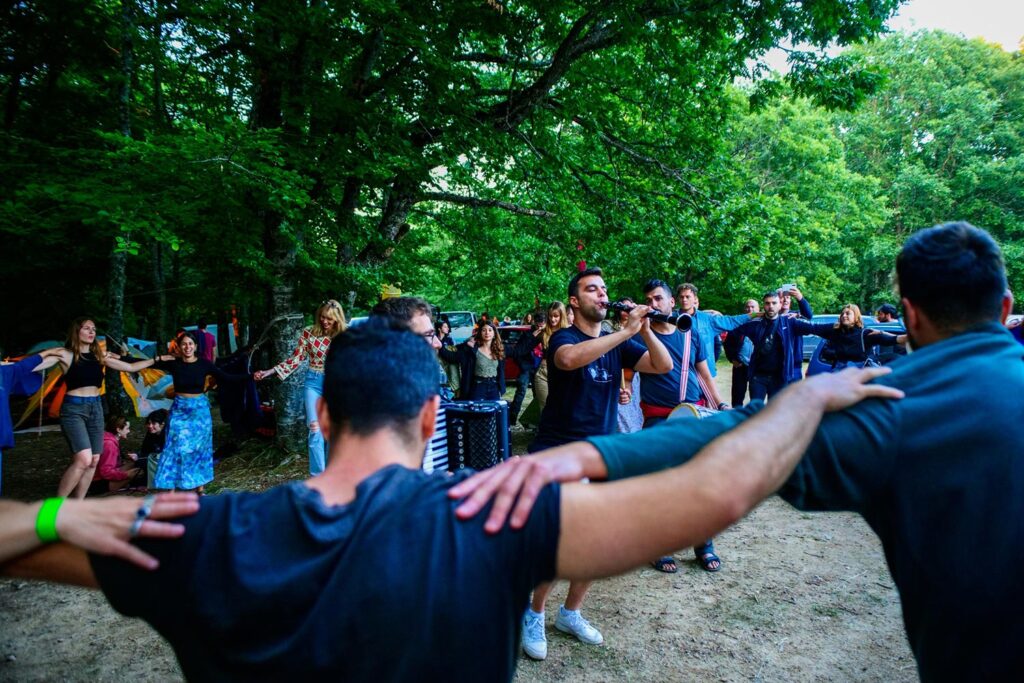
Refugees from Pontus brought their own customs, which blended with those of the existing population, shaping a new local tradition. Momogeroi, Klidonas, Kolinda Bampo, Kotzamania, Egg Battles, and the Tranos Dance create a tapestry of music, dance, and boundless celebration, bringing the past to life before your eyes. Equally distinctive are the region’s festivities, where culture meets nature and tradition. The Pas Strana Festival, the Chestnut Festival of Emporio, the Earth Festivals, and the Feast of Saint Panteleimon in Vlasti will offer you moments of joy and genuine celebration.
Gastronomy and outdoor activities
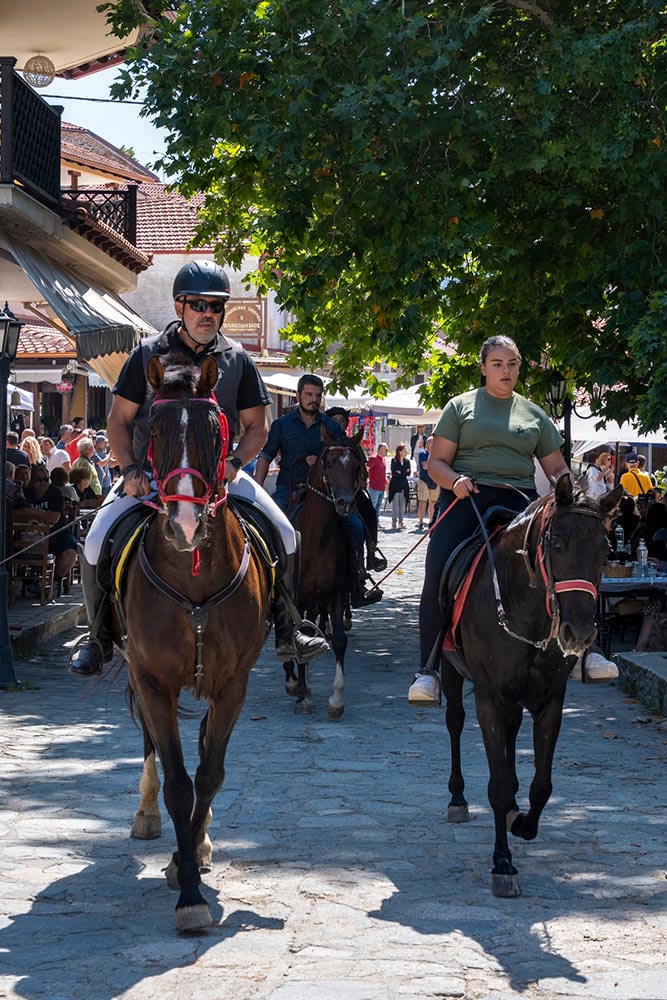
The flavors of Eordaia—rich and deeply rooted in tradition—are showcased not only in the region’s welcoming taverns, but also in unique festivals and events. The Manouri Cheese Festival, the Foufieia Festival, the Potato Festival, and the famous Gourounohara (Pork Feast) invite you to taste local products and recipes that reflect the area’s gastronomic identity. Your journey in Eordaia becomes even more enriching through experiential activities, such as the Equestrian Experience and the Herb Experience that connect you straight with nature and local traditions, while creating unforgettable memories.
From the ancient Macedonians to the modern era
Homeland of the first of the Ptolemies, Ptolemy I Soter, a land of struggles and sacrifices for national liberation, and later the epicenter of postwar industrialization, the history of Eordaia is not only long, but also turbulent.
In Eordaia’s case, the claim that “its origins are lost in the depths of time” is entirely accurate, as archaeological findings confirm habitation as early as 6600 BC.
In antiquity, Eordaia was one of the kingdoms of Macedonia. It came fully under the control of the Kingdom of Macedonia during the reign of Philip II, and when Alexander the Great ascended the throne, he continued its administrative and military integration into the Macedonian state.
Three out of Alexander’s seven bodyguards came from this land. Among them stands Ptolemy, son of Lagos — a student of Aristotle, as well as friend and general of Alexander the Great. He later assumed the throne of Egypt as Ptolemy I Soter, founding the Hellenistic Ptolemaic dynasty.
In the centuries that followed, Eordaia experienced both prosperity and hardship. During Ottoman rule, the region suffered greatly, particularly after the Battle of Kosovo (1389), when it endured significant destruction.
In modern times, Eordaia played a major role in the Macedonian Struggle, and crucial battles were fought in the villages of Komanos and Perdikkas during the Balkan Wars (1912–1913). On October 15, 1912, the city was liberated from Ottoman rule. In 1916, the province of Kailaria was renamed as the Province of Eordaia, and, in the wake of the Treaty of Lausanne (1923), refugees from Asia Minor, Eastern Thrace, and Pontus settled in the region, revitalizing the area and replacing the predominantly Turkish-origin population of “Konyars”.
During the Nazi occupation, Eordaia experienced one of the darkest periods in its history. The villages of Pyrgoi, Mesovouno, and Ermakia—today recognized as Martyr Communities—were completely destroyed by German forces. From the 1960s onward, Eordaia underwent a complete transformation. Lignite mines opened, the Hellenic Public Power Corporation’s steam-electric power plants were constructed, with the once primarily agricultural region evolving into Greece’s energy production center. Today, as that historic role concludes, the region is turning toward a new direction, firmly focusing on the future of green transition.
Personalities who made history
Beyond the aforementioned Ptolemy I Soter, significant modern figures originating from Eordaia include the Macedonian fighter Zacharias Papadias (Captain Foufas), who fell heroically in the Battle of Paleochori (present-day Foufas), and the great benefactor of Ptolemaida, merchant Georgios Kechagias (1898–1975), founder of the charitable foundation that bears his name.
Traditions that continue to flourish
In Eordaia, you will encounter ancient customs incorporated into Orthodox celebrations—many originating from Pontus—as well as traditional happenings that strengthen community bonds through dance, song, and collective joy.
Horseback riding and getting acquainted with local herbs
Horseback rides for all ages and visits to a wellness workshop focused on herbs and natural products; two distinctive experiences to include in your trip to Eordaia.
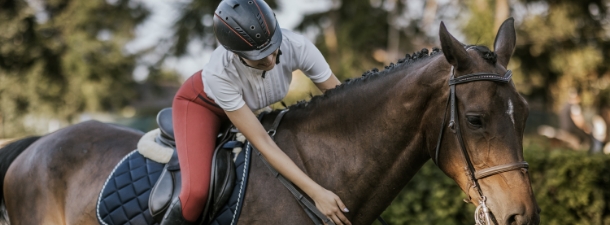
The equestrian experience
Horseback riding is a memorable experience for all ages. In the Ptolemaida area, you can ride beautifully trained horses in specially designed facilities. Under the safe guidance of experienced instructors, you will enjoy the pleasure of connecting with the horse and moving through nature as an easy rider, whether you are a beginner or a seasoned horse riding enthusiast.
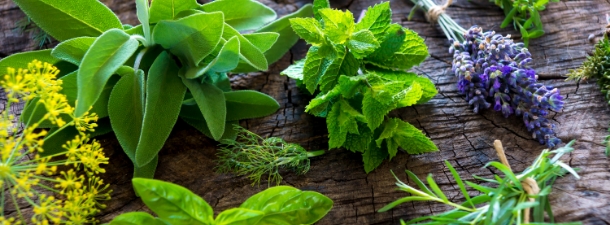
The aromatic plants & herbs experience
In Anarrachi, nature becomes a workshop of wellness, knowledge, and ecological awareness, offering visitors the opportunity to discover the value of herbs and natural products. Through scheduled visits, you will tour cultivation fields, participate in distillation processes for the production of essential oils and floral waters, observe techniques for making natural cosmetics, and learn about the applications of pharmacognosy in daily body care and well-being. From traditional herbs to innovative preparations, this unique experience brings you closer to nature, its aromas, and the power of plants in everyday life.
A journey through the flavors of Eordaia
Traditional techniques and the locals’ dedication, combined with the unique microclimate and fertile soil, birth products with unique identities, with flavors that narrate their land’s history. From cherries and apples to the renowned manouri cheese of Vlasti and the potatoes of Foufas, every corner of Eordaia has its own distinct culinary identity and heritage worth discovering.
Local products
Agricultural production in Pyrgoi, Milochori, and Foufas is not solely a key pillar of the local economy, but also a defining element of the region’s cultural identity. The area’s special microclimate, rich soil, and the hard work of local farmers contribute to the production of high-quality goods deeply connected to the land and its traditions.
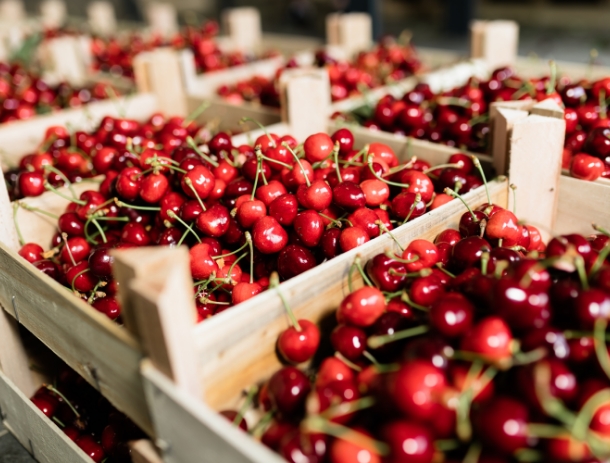
In Pyrgoi, you can taste the area’s famous cherries, known for their sweetness and crisp texture. The region is also celebrated for its exceptional apple production, which is exported to international markets. Exceptionally flavorful are the apples of Milochori, renowned for their intense aroma and rich, balanced taste. In Foufas, be sure to try the village’s well-known potatoes — a product that has become well-known for its outstanding quality.

Manouri cheese of Vlasti
A true symbol of local gastronomy, Vlasti’s manouri cheese has developed a tradition of its own. It is made from goat’s milk sourced from animals grazing on the slopes of Mount Askio and Mount Mouriki. Cheesemaking takes place in July and August, when the milk has the proper fat content, immediately after milking and directly in the shepherd’s hut, using traditional tools and methods: metal cauldrons, wooden ladles, and cloth draining bags, where the cheese naturally strains with the help of the mountain air.
First, a cheese known as batzios is produced, allowing the fat to remain in the whey, which is then used to make the manouri. The result is a cheese with a distinctive aroma and a rich, buttery texture. In the local dialect, it is also called “aeromanouro,” referring to the way it is air-drained. Although manouri has held Protected Designation of Origin (PDO) status since 1994, the traditional version produced in Vlasti stands apart from commercial varieties, preserving an authentic character and flavor. The induction of the traditional craft of Vlasti’s manouri production in Greece’s National Inventory of Intangible Cultural Heritage further confirms its importance as a living element of local identity, and a pathway connecting the past with the present.