Municipality of Nestorio
Welcome to the “gates of Mount Grammos”
Do you dream of lush, mountainous landscapes filled with gurgling waters, stone-built villages with authentic local cuisine, historical sites that still converse with the present, traditional customs that meet the most modern festivals, and riverside parties? It’s time to discover the Municipality of Nestorio and the legendary trails of Mount Grammos.
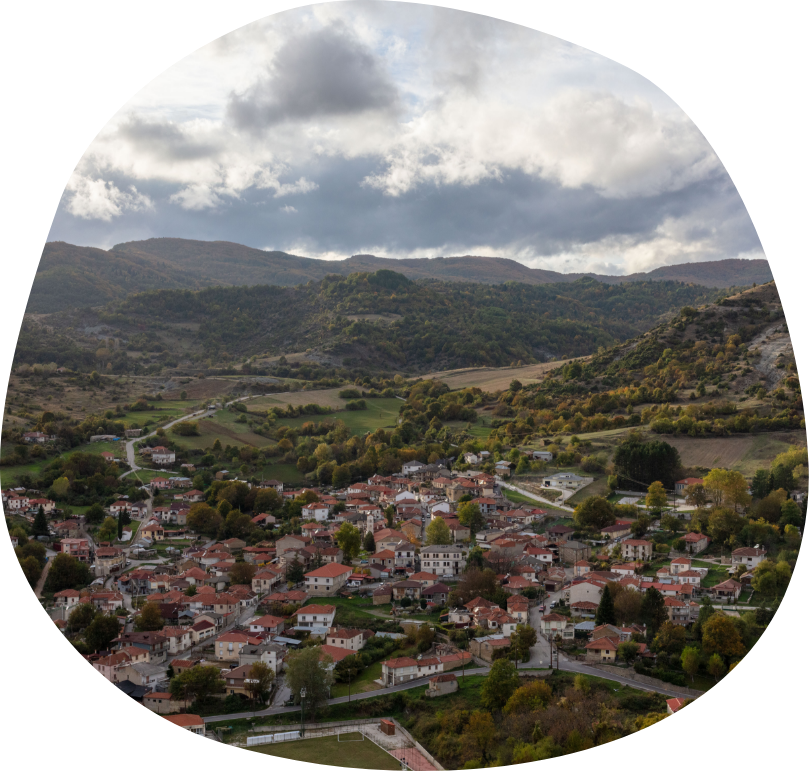
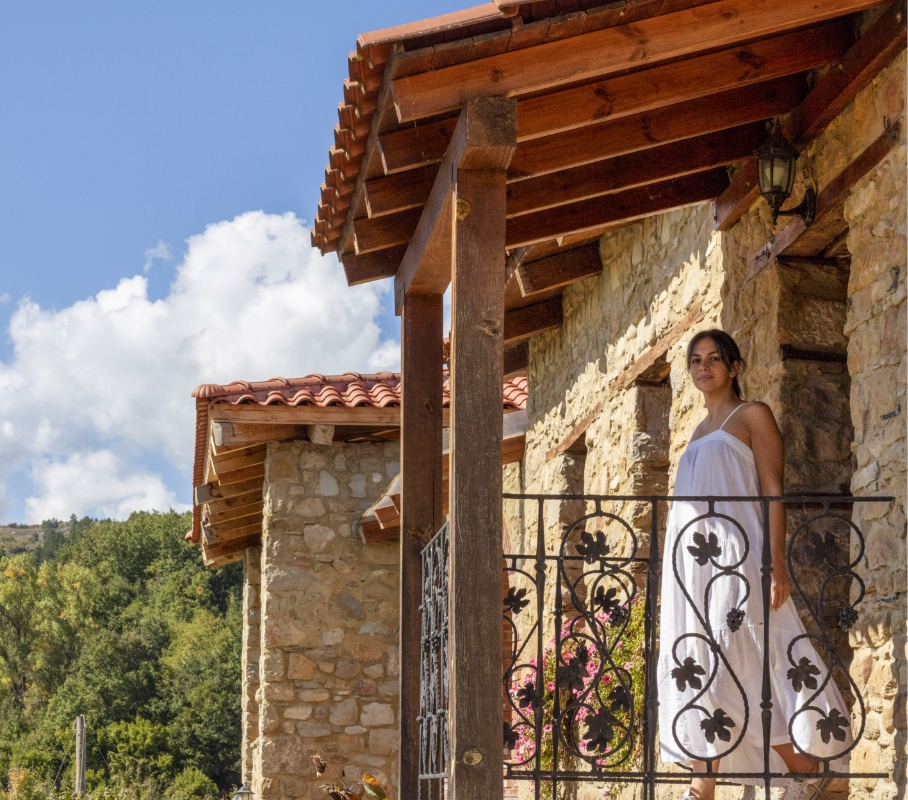
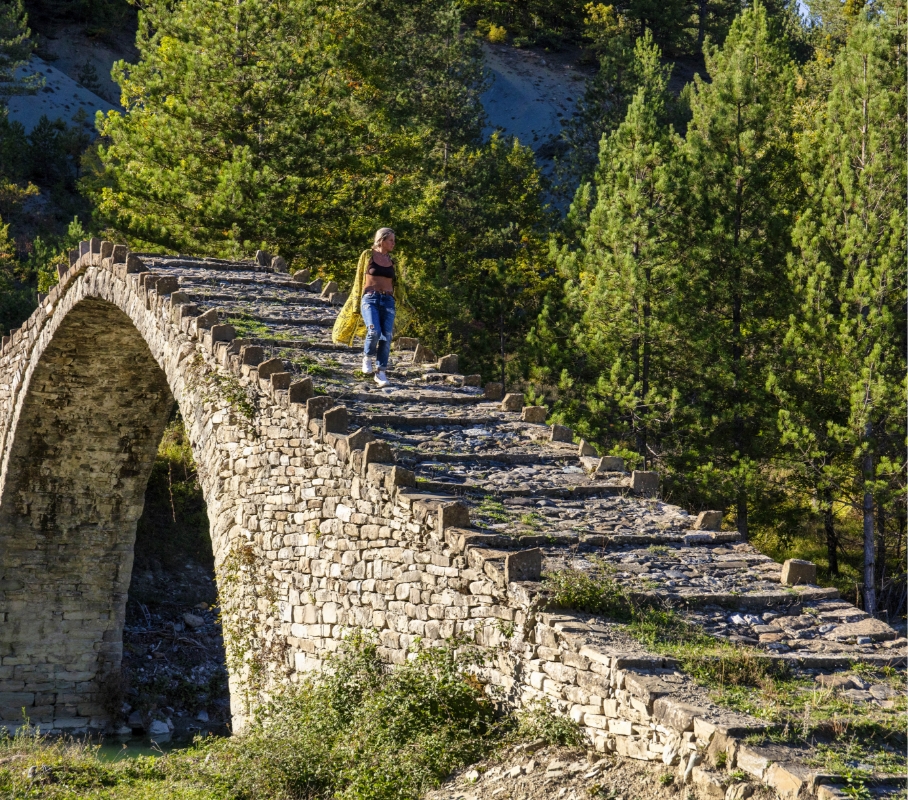
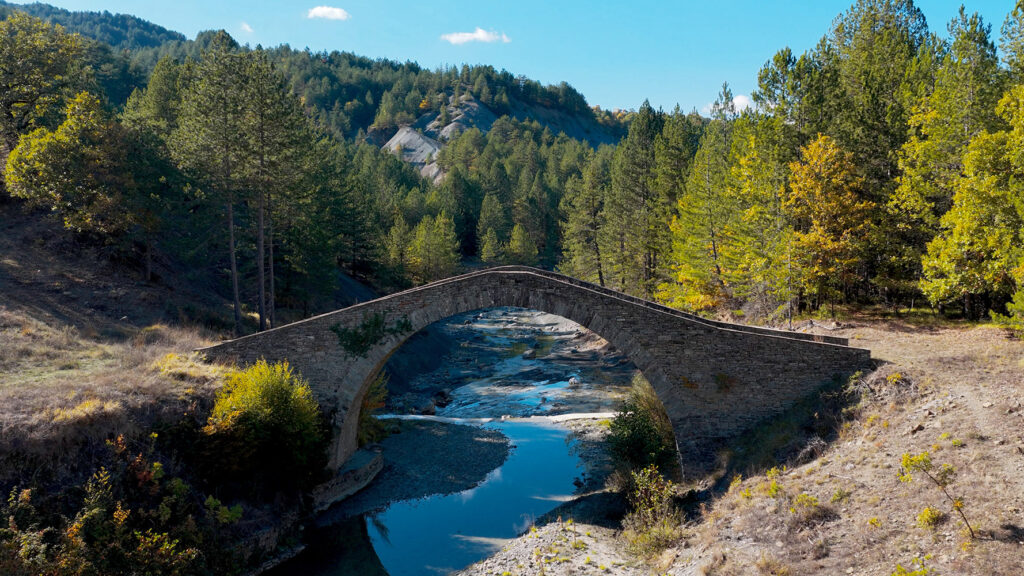
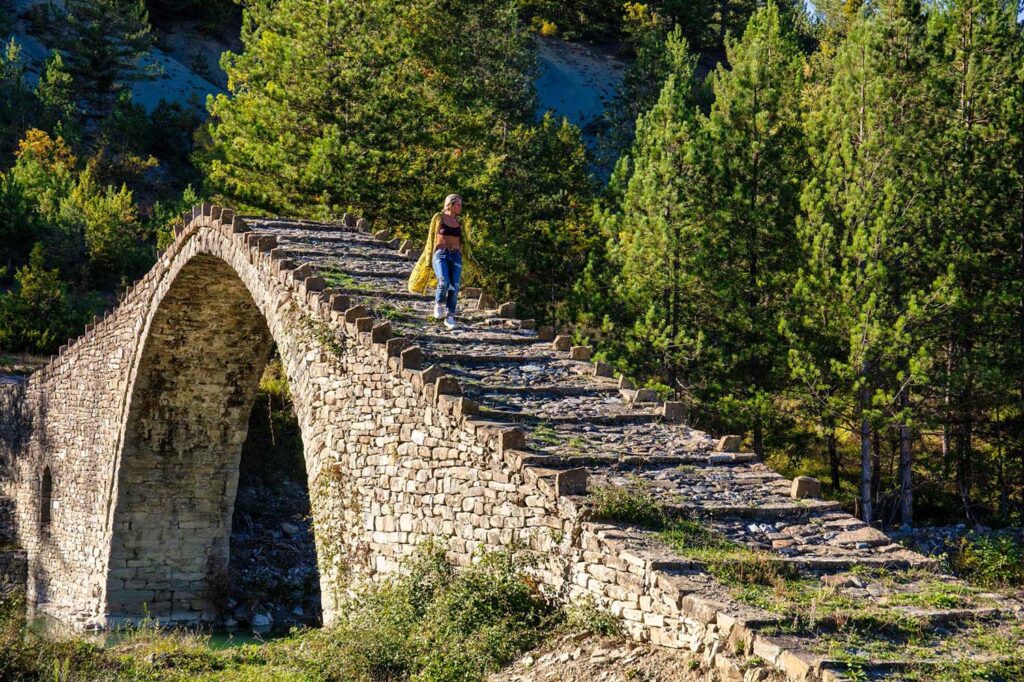
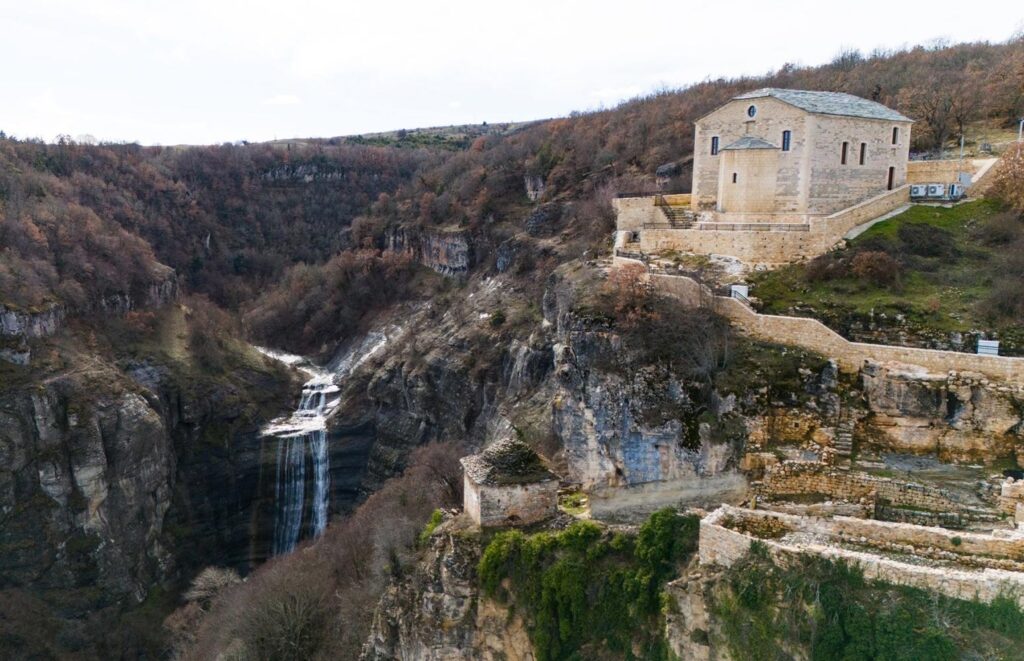
Spread across the western edge of the Regional Unit of Kastoria, the Municipality of Nestorio is the gateway to one of the most awe-inspiring mountains in the country, Mount Grammos. A predominantly mountainous municipality, it will captivate you with its majestic nature, historical landmarks, and rich cultural identity. Settlements scattered across lush slopes and valleys, preserving their traditional character, will narrate their own stories, small or big, from their long journey through time. Following the fairytale-like paths along the gurgling waters of the Aliakmonas River, through sceneries of rare natural beauty, visitors will encounter forgotten villages, post-Byzantine monuments, and impressive arch stone bridges —silent witnesses of bygone eras — deeply etched in memory.
Nature in the spotlight
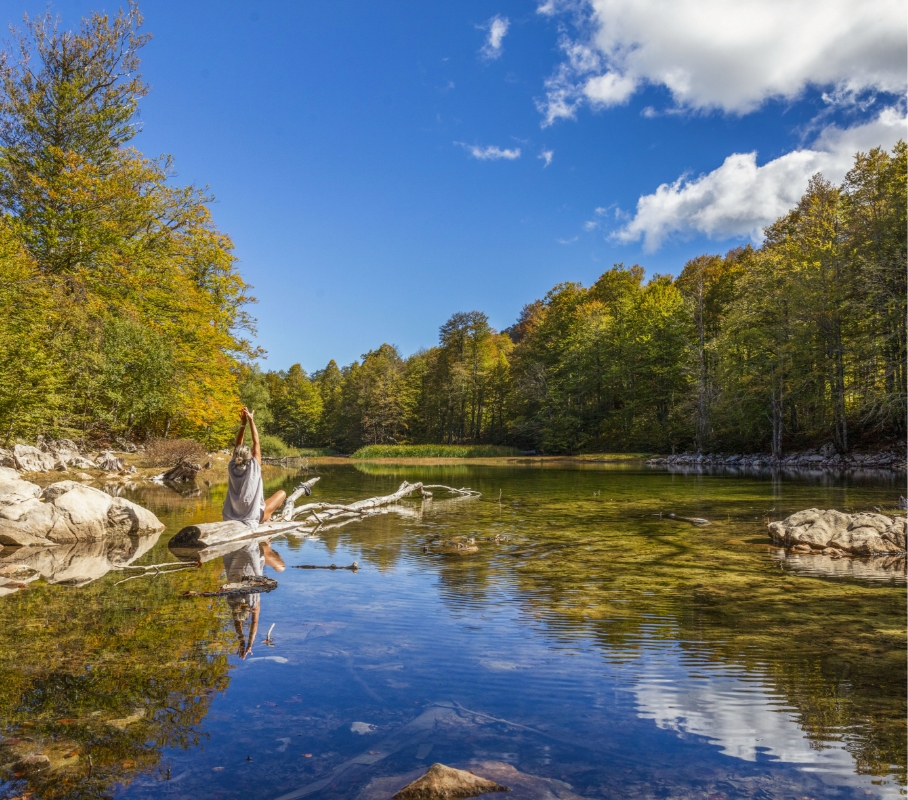
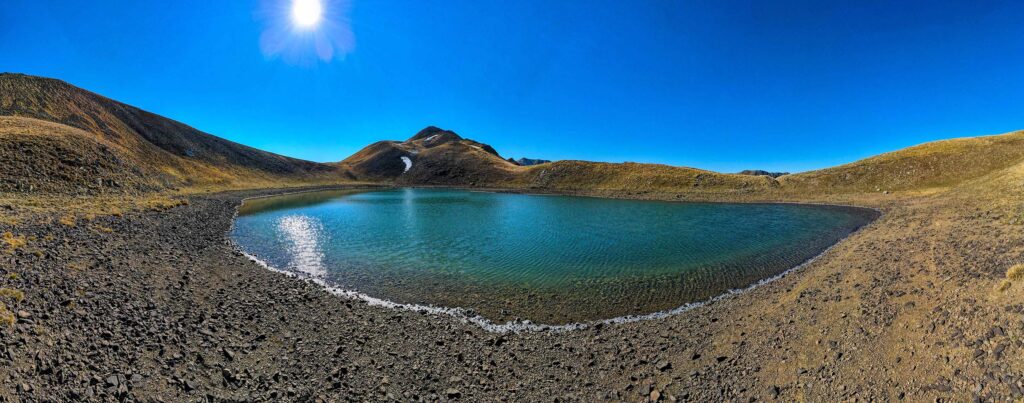
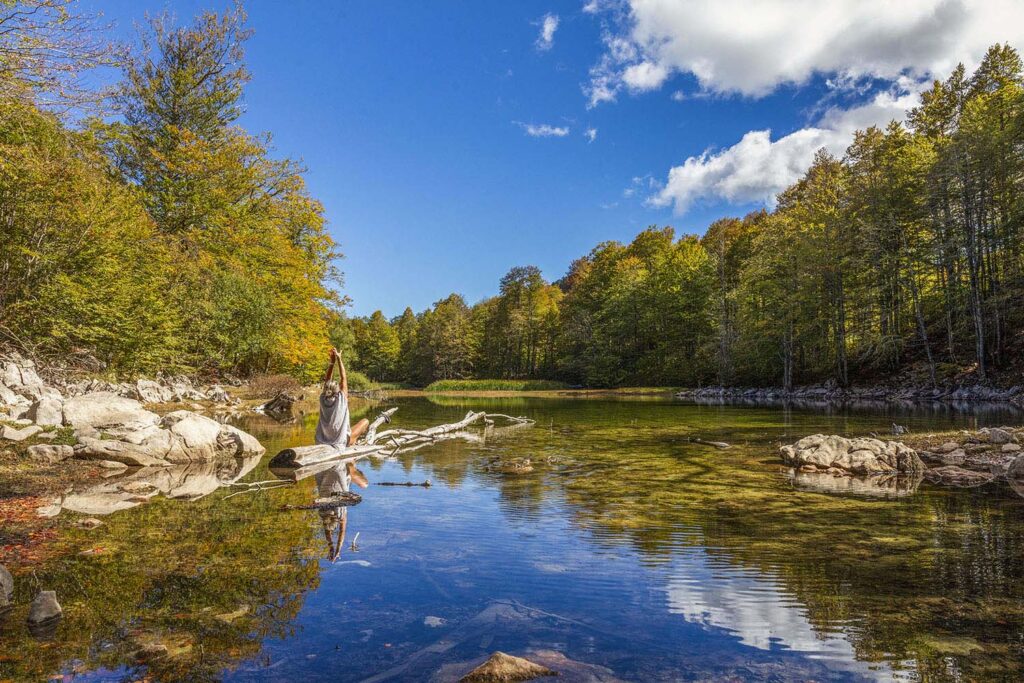
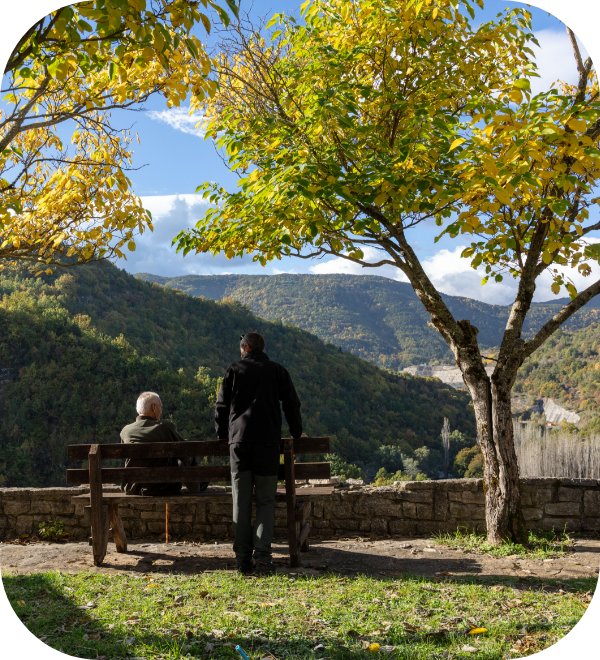
Traveling across the Municipality of Nestorio unveils unforgettable images of mountainous nature that encapsulate all the magic of Western Macedonia’s highlands. Some renowned spots where the mountain’s grandeur reveals itself are the summit of Alevitsa, known as the “eye of Grammos”, offering amazing panoramic views, the striking Aetovrachos, with its distinctive shape perched on the edge of a cliff, the steep Chasm of Death (Charadra tou Charou) with its wild energy, the alpine lakes of Gkistova and Arrenes, radiating silent solitude, as well as the virgin forest of Barouga, with its majestic beeches, firs, and black pines that have never known a woodcutter’s saw. The power of Nestorio’s land is not simply experienced; it is also tasted in the renowned Grammos honey made from local herbs and aromatic plants, the thin-skinned chickpeas, the area’s PGI-marked buttery beans, as well as the miscellany of high-quality local ingredients served in meticulously prepared mountain kitchens at the region’s welcoming tavernas and restaurants.
At the foothills of Mount Grammos: festivals, customs, and outdoor activities all year round
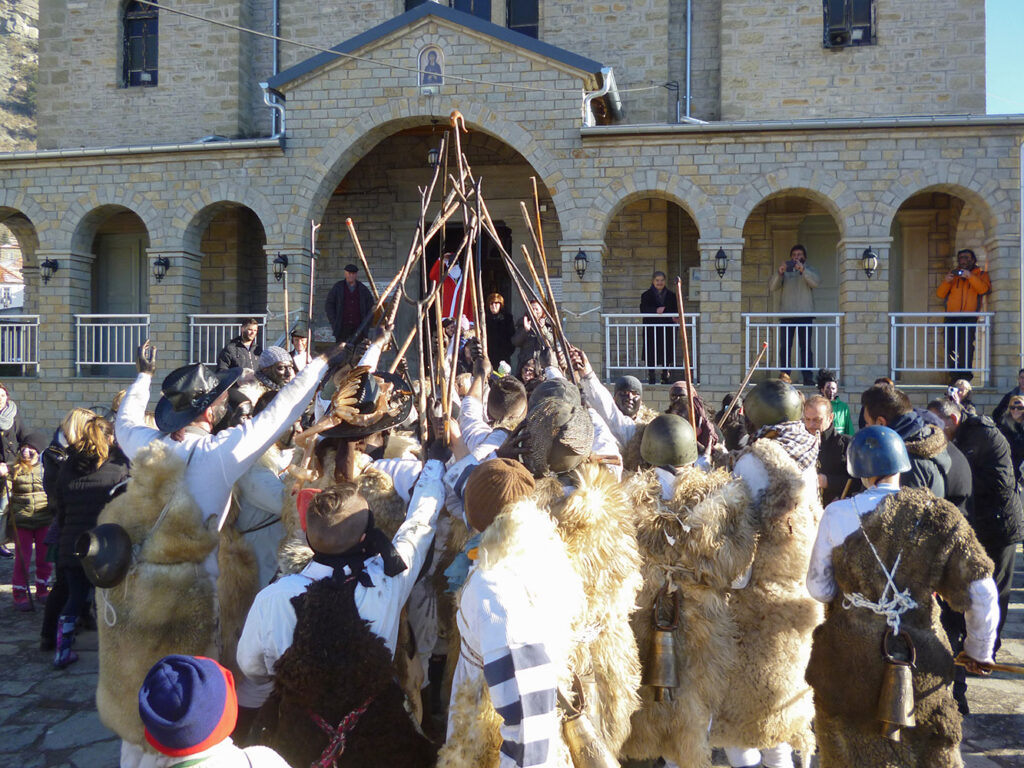
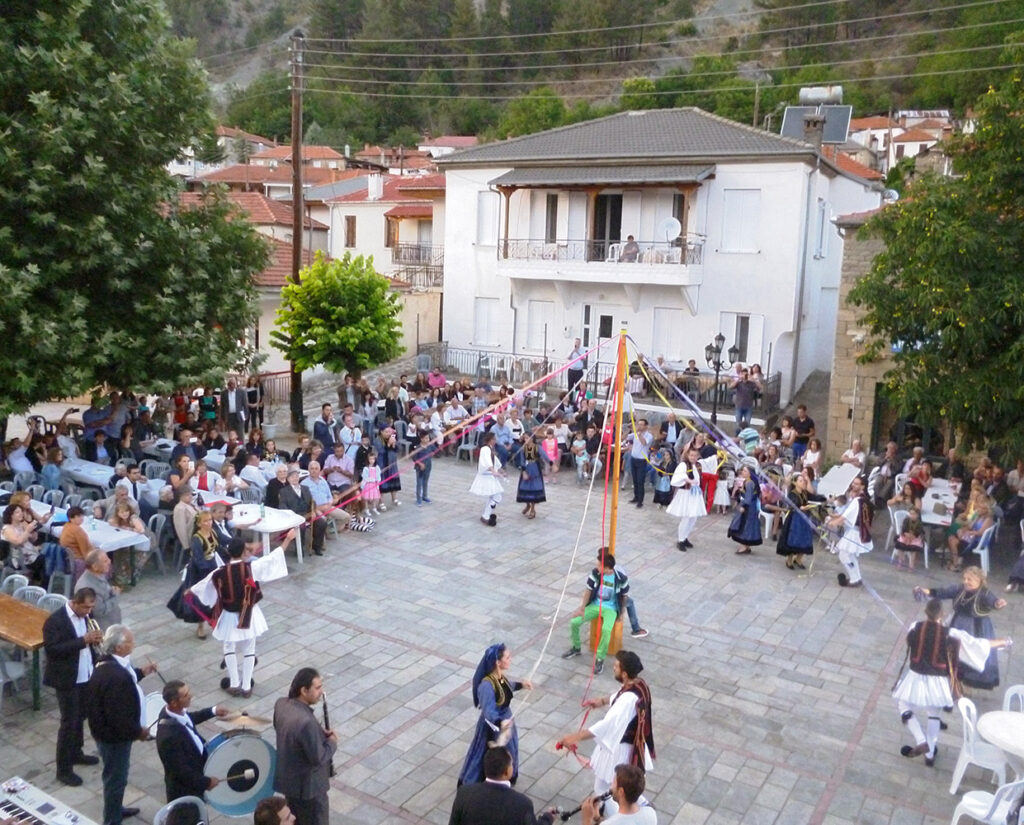
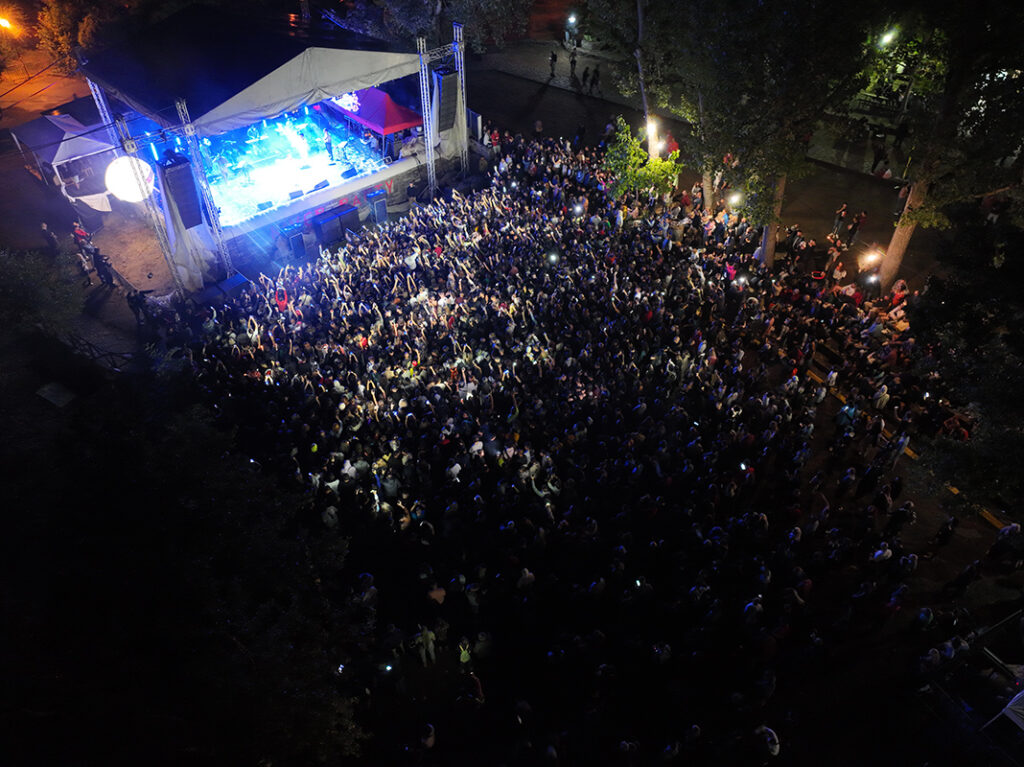
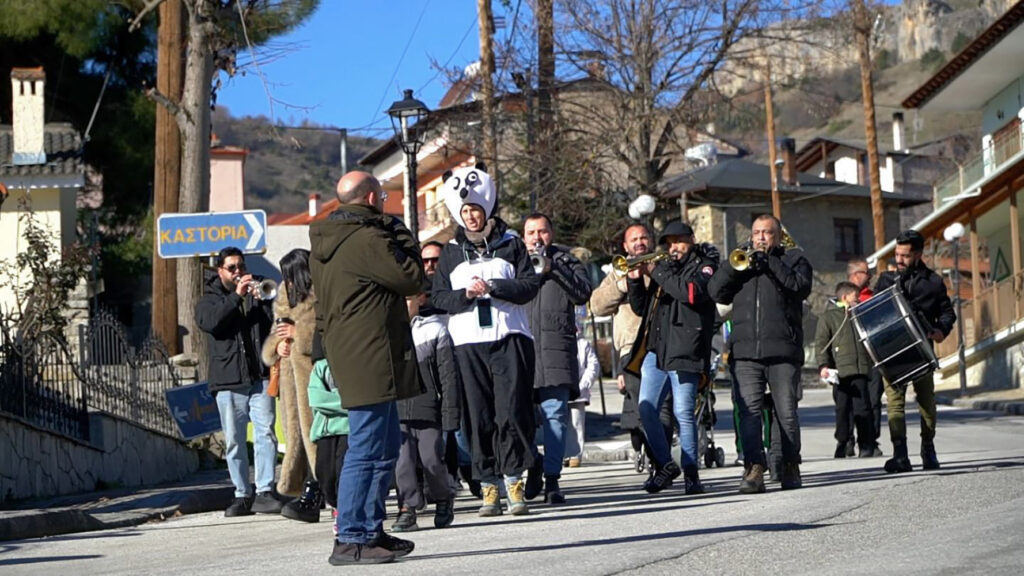
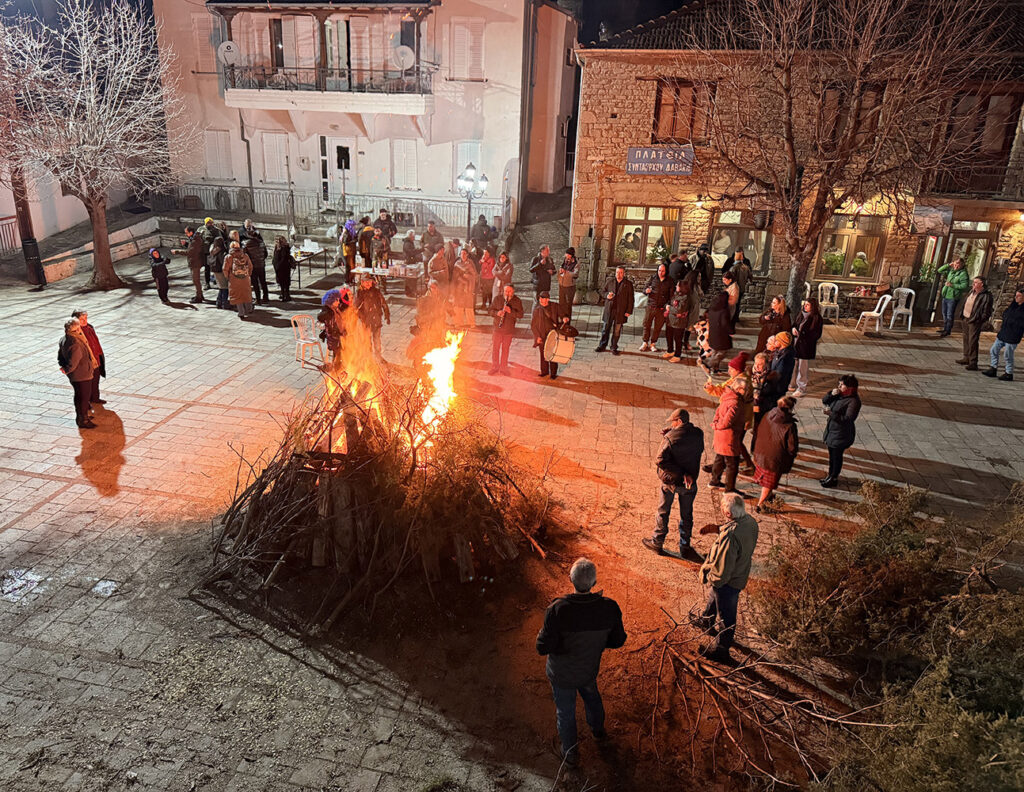
Built at the foothills of Mount Grammos and nestled in stunning natural surroundings, the picturesque village of Nestorio welcomes travelers as a hospitable haven, the ideal base for conquering both mountain and river. Outdoor activities such as hiking, climbing, cycling, and kayaking, along with relaxed strolls through the red-tiled settlement, become part of your own travel story. Summers in Nestorio come alive with the nationally renowned River Party —one of Greece’s most popular riverside music festivals with camping facilities—, as well as the multi-themed Grammos Festival, bringing music, theater, and activities to the mountain’s foothills. During wintertime, the traditions of Eptachori preserve vivid aspects of the region’s cultural identity: the Boumparoi begin at dawn on New Year’s Day and keep the village in festive rhythm until nightfall, and the nostalgic Gaitanaki, where ladies and gentlemen waltz into vibrant sounds, weaving and unweaving colorful ribbons.
Worth a visit
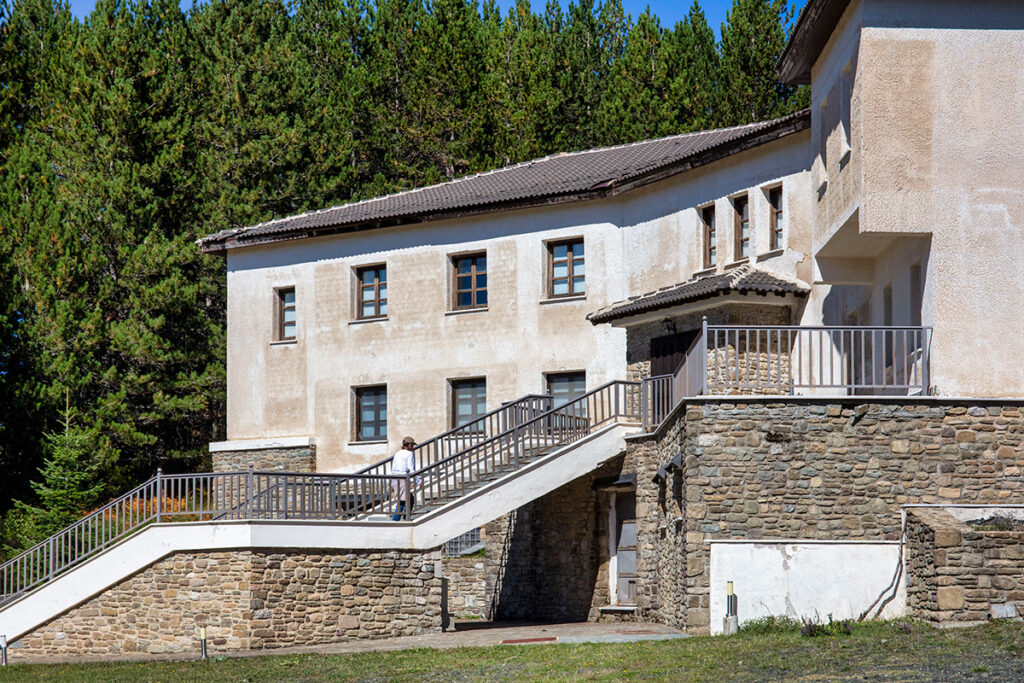
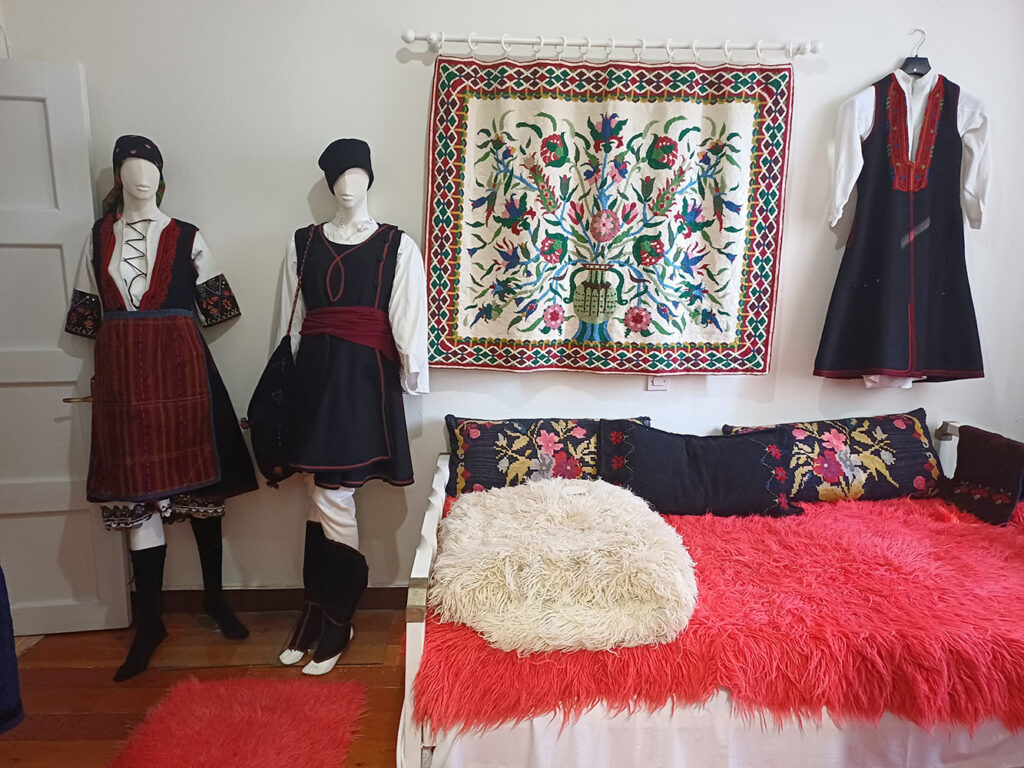
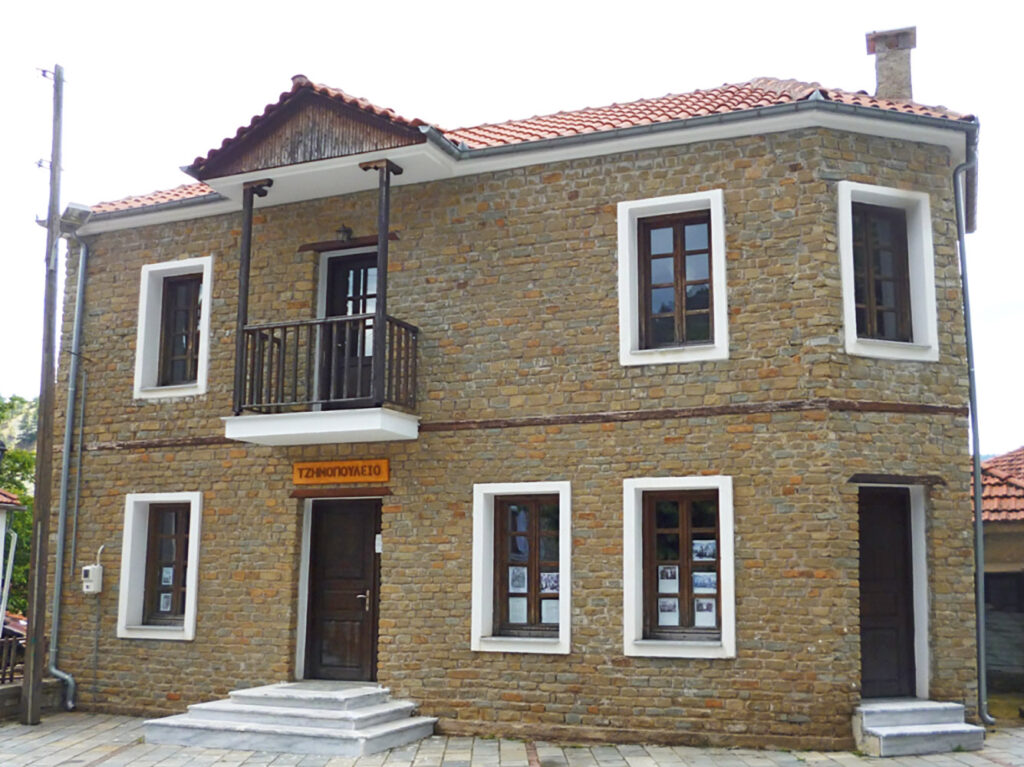
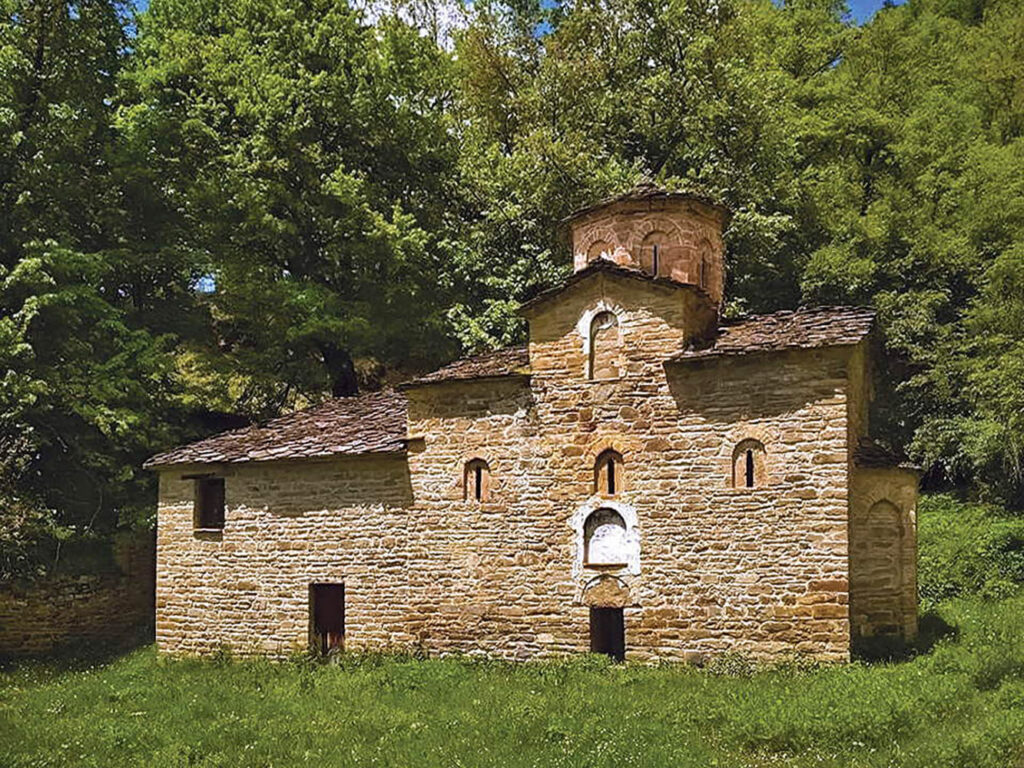
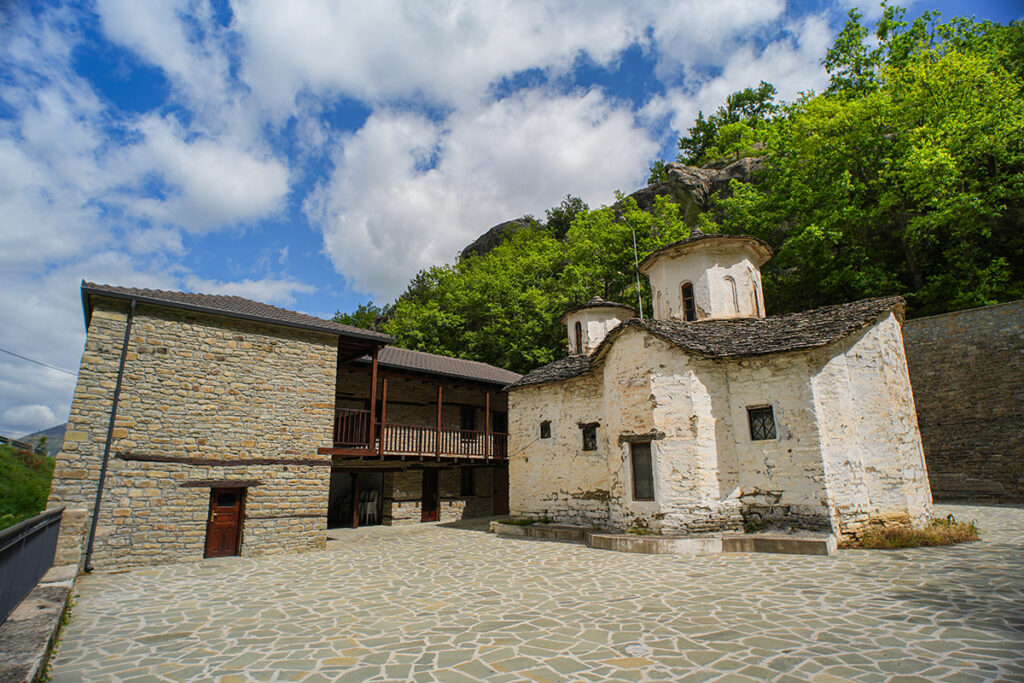
More about the life and people of Nestorio is revealed through visits to museums and monuments, such as the Park of National Reconciliation in the Livadia of Kotyli, the Nestorio Folklore Museum, housed in the traditional stone building of the old Forest Service office, and the Tzimopouleio Folklore Museum of Eptachori. Among the area’s remarkable attractions are the monasteries of immense cultural significance, unraveling centuries of faith, history, and tradition, awaiting you to follow their trails.
A brief look at Nestorio’s long journey through time
From the ancient times to the war and migration-scarred 20th century, this land has continually written the pages of a history visible all around you—etched into stones, paths, churches, and even the gazes of its people.
Human presence in the area dates back to the Hellenistic and Roman periods, with findings at the Acropolis and at the site of “Lotsko” in Lower Nestorio attesting to significant settlements. The centuries that followed are shrouded mainly in myth and oral tradition, until the 10th century, when historical records re-emerge: the Bulgarians occupied the area, only to be driven out in 1028 by Emperor Basil II, known as the Bulgar Slayer. After the Sack of Constantinople by the Franks in 1204, Nestorio became part of the Despotate of Epirus and, shortly thereafter, of the Empire of Nicaea. In the 14th century, then known as “Nestramio”, the settlement suffered raids by Slavs, Albanians, and Turks. During the Ottoman period, under the name “Saint Nestoras” (“Agios Nestoras”), Nestorio stands out for the defiant spirit of its inhabitants.
The area’s present name was established in the wake of the Balkan Wars (1912–13), following its incorporation into the Greek state. The interwar years brought a breath of prosperity and development, but World War II left deep scars: in 1943, the village was burned twice by German forces, and many residents were executed. The Greek Civil War (1946–49) further intensified depopulation, as poverty and insecurity drove many locals to emigrate. People originating from Nestorio built new lives in the United States, Canada, Australia, and Germany, while keeping the memory of their homeland alive. Despite the significant historical turbulence, Nestorio has never ceased to be reborn. Today, you will encounter a small yet vibrant community, where history becomes a source of inspiration and life moves forward with strength, ready to write the next chapter of a remarkable journey.
Boumparoi and Gaitanaki –
Festive traditions in both winter and summer
The festive side of Eptachori’s cultural heritage is revealed on New Year’s Day, as well as on July 26th (Feast of Saint Paraskevi) through two unique local customs.
Festivals, Carnival celebrations, and the renowned River Party
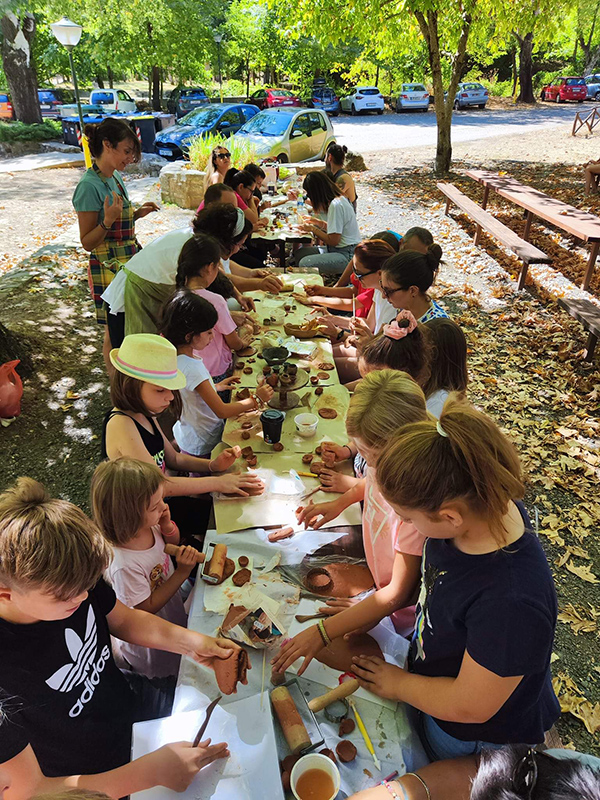
Music, dance, songs, theater, and movies enrich every single moment and experience all year long, with the help of the welcoming locals.
Outdoor adventures and off-road experiences
In Nestorio, nature becomes the most thrilling field of action and adventure. Whatever you are looking for—mountain vistas, river vibes, or forest landscapes—here you can experience at your own pace: calm, restful, and relaxed, or dappled with adrenaline.
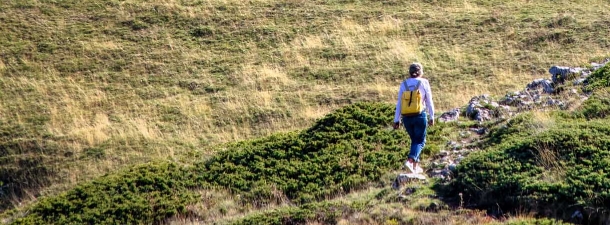
Hiking
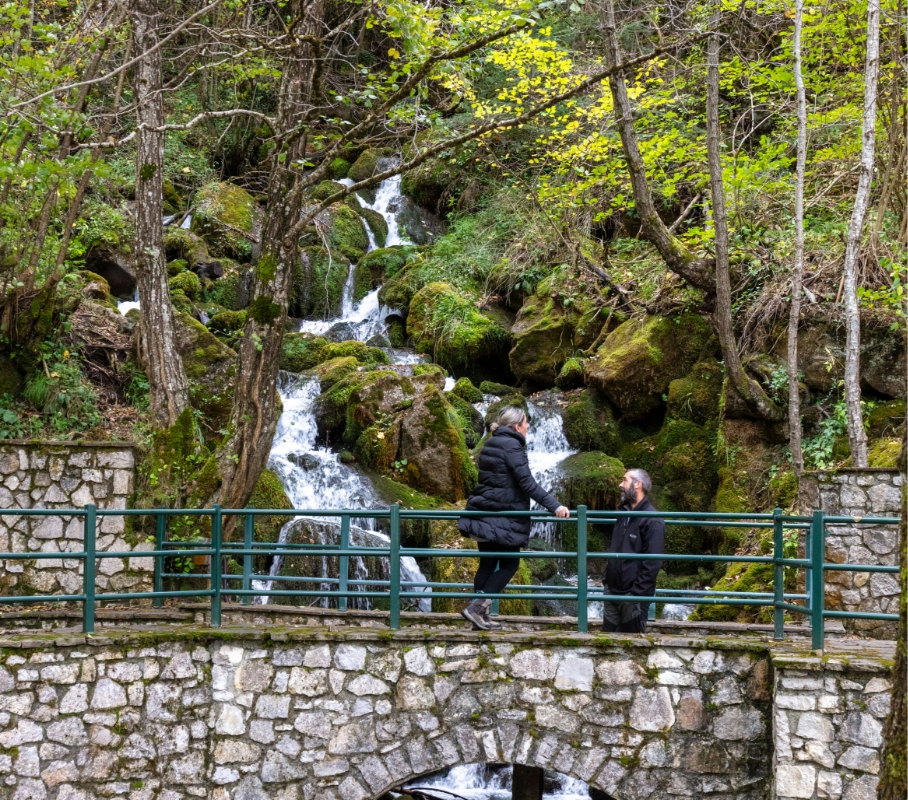
On the trails of Mount Grammos, one can discover the mountain’s wild beauty. The network of routes extends across the entire municipality and includes all levels of hiking difficulty—from relaxed family strolls to demanding mountain hikes. Our recommendations are the magical route to the Tsouka waterfall or the gentle hike from the Park of National Reconciliation to the Tower of Kotyli, both ideal for calm walks beneath nature. If you are eager to take it to the next level with an even stronger thrill, the ascent to the alpine lake Gkistova will lead you to one of the most captivating landscapes of Grammos, rewarding you with every single step you take.
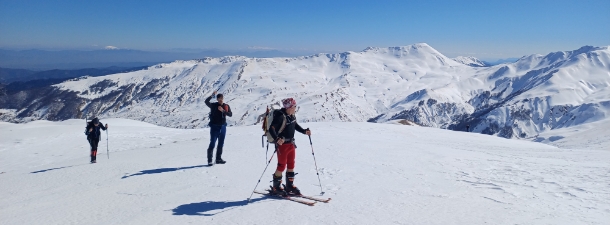
Ski touring
If you love ski touring, the snow-covered slopes of Mount Grammos offer an ultimate connection where winter nature intertwines with a unique sense of freedom. Ski touring here signifies silence, crisp air, untouched snow, and routes through virgin forests. Each descent brings you closer to nature and to viewpoints of breathtaking beauty, far from organized ski resorts and crowds.
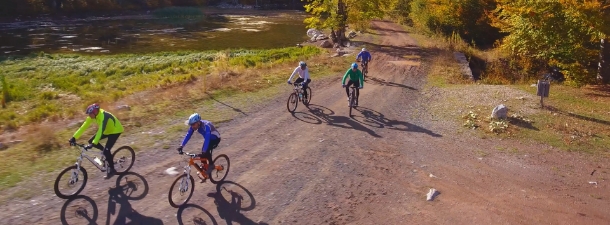
Cycling
Along forest roads, mountain passes, and dirt tracks, cycling becomes a way to experience the landscape differently. Rides along the Aliakmonas River or mountain biking through the shaded forests of Grammos allow you to exercise amid picture-perfect sceneries, offering moments of calm—regardless if you prefer a relaxed family ride or you are intrigued by the mountain’s more daring challenges.
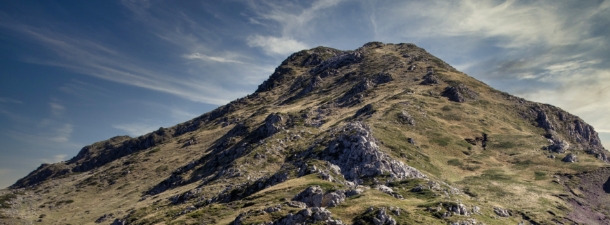
Mountaineering
From the very first moment you behold the imposing massif of Mount Grammos, you realize you are in a mountaineer’s paradise. Routes pass through dense forests, ravines, and alpine slopes, ending at points where the view takes your breath away. These are the places that remind you why you love mountains.
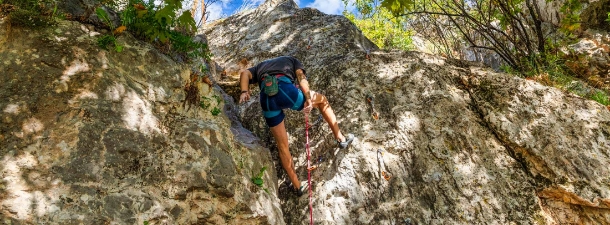
Rock climbing
Climbing on Mount Grammos finds its most natural setting. If you are drawn to adrenaline and the physical connection with rock, Nestorio offers abundant climbing areas for all levels of difficulty, on exciting rock faces full of variety and challenge.
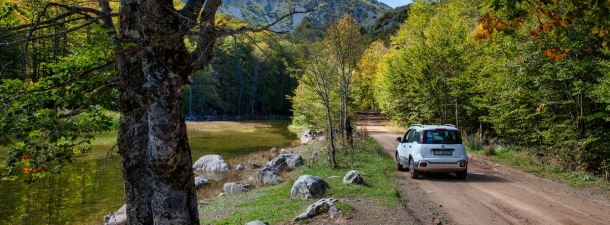
Off-road 4x4 routes
Are you a dynamic driving and exploration enthusiast? Nestorio’s off-road routes promise the most authentic driving adventures in an enchanting landscape. Virgin forests, mountain dirt roads, isolated spots of rare natural beauty, historic locations, and viewpoints of unmatched scenery ensure an unforgettable mountain experience.
Local gastronomy and Nestorian cuisine
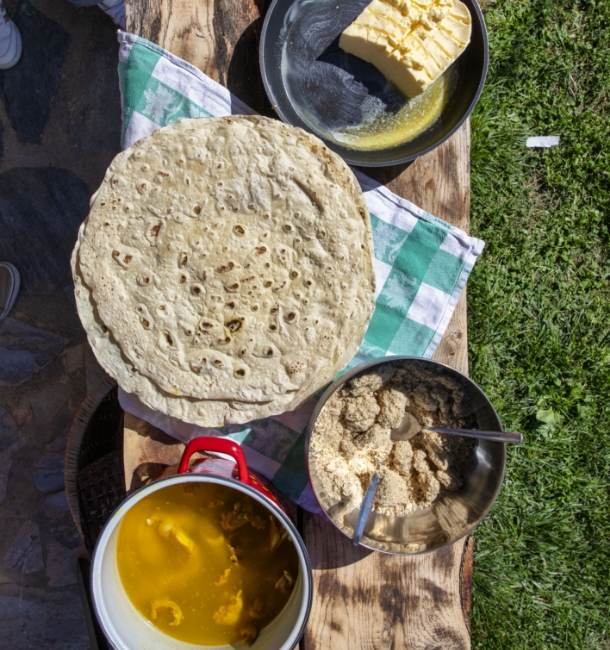
Get ready to taste the most authentic flavors of the Macedonian land, deeply rooted in tradition. The local pies differ from the usual, as they are made without pastry sheets—and they are bound to become your favorite breakfast or snack. Among cooked dishes, be sure to try the distinctive cabbage with pork, as well as leek meatballs. If you visit Nestorio during the Christmas season, look for blaga, the sweet festive pie especially prepared for the holidays and typically served at the festive table. If you choose the area for an Easter getaway, you may be lucky enough to taste chickpeas cooked with walnuts, a traditional Lenten recipe of Holy Week fasting. Do not leave Nestorio empty-handed; two truly special products to take home are the renowned honey collected from the aromatic herb-covered slopes of Mount Grammos, and the local buttery thin-skinned beans—a PGI (Protected Geographical Indication) product guaranteed to elevate every legume dish.