

Kozani Carnival
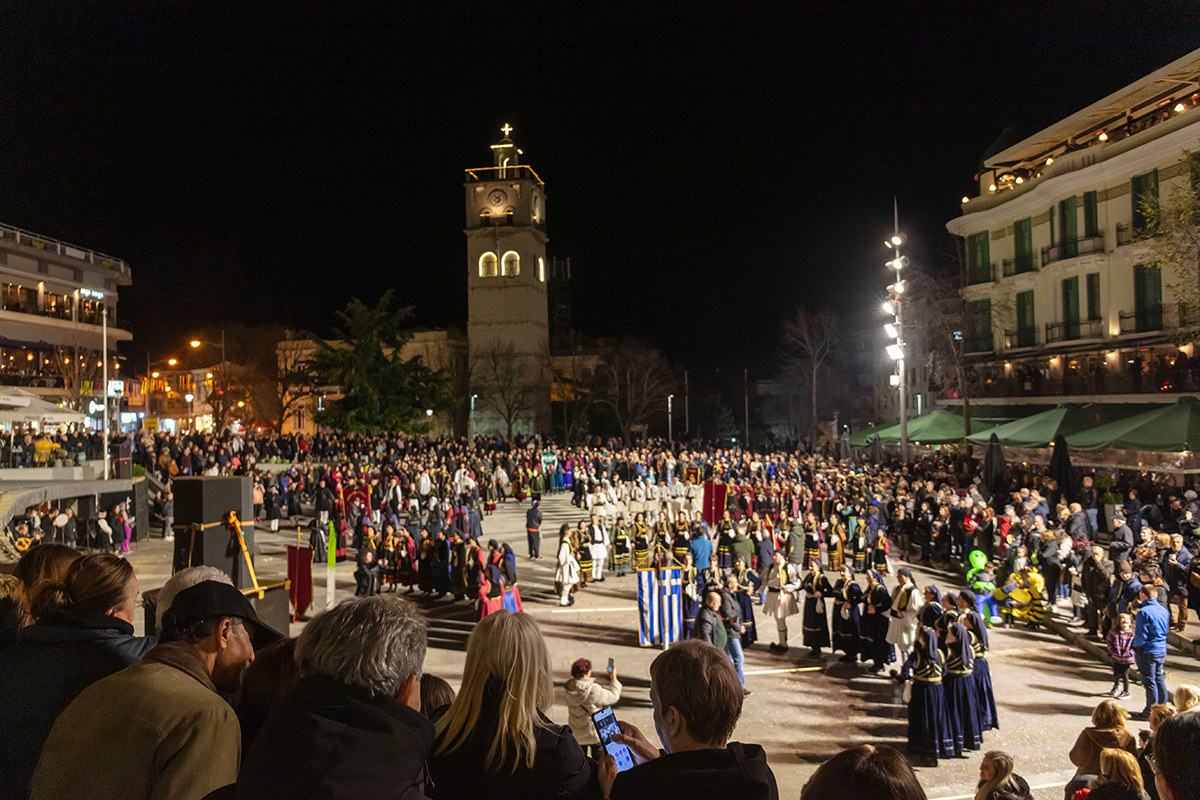
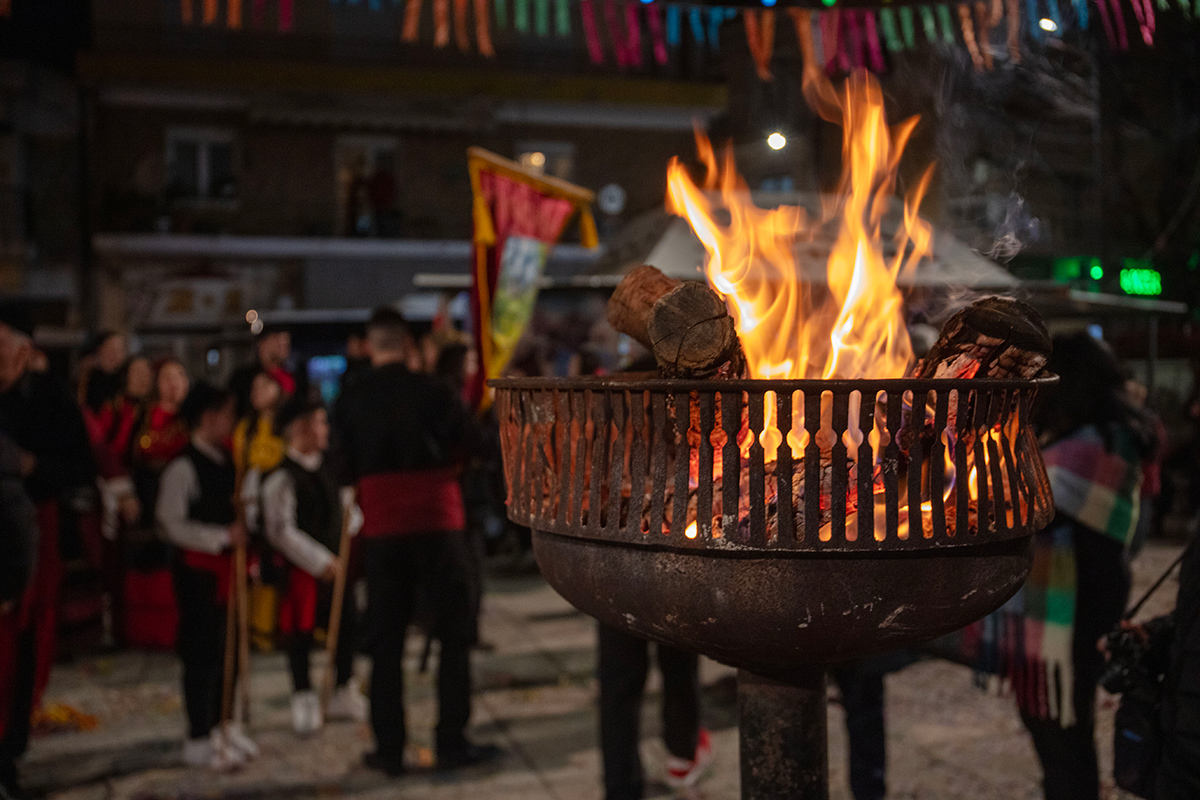
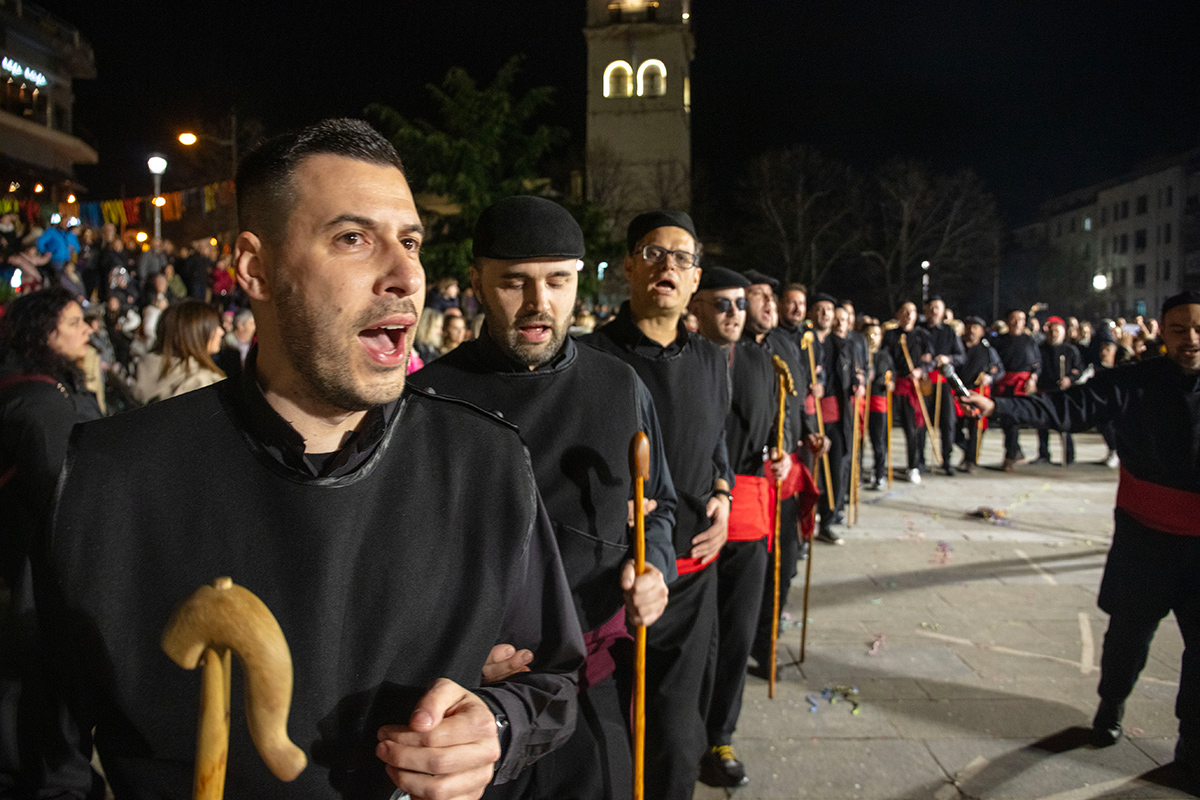
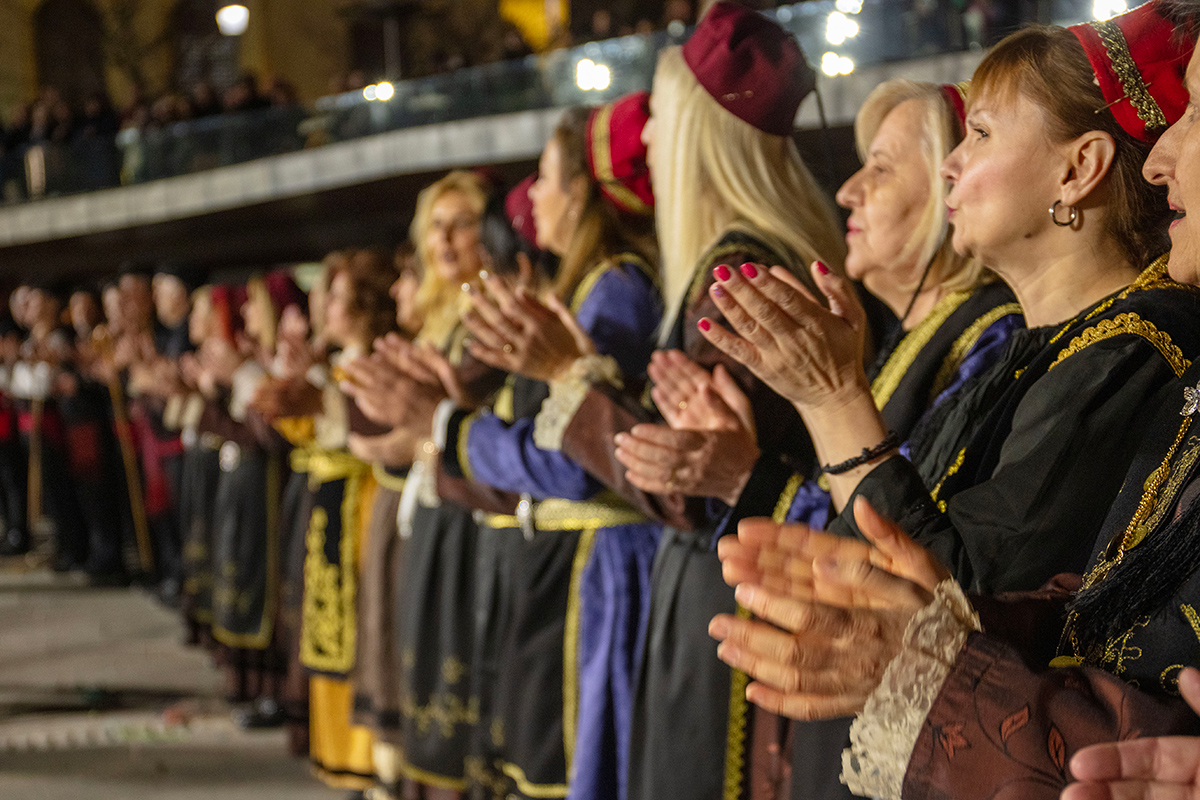
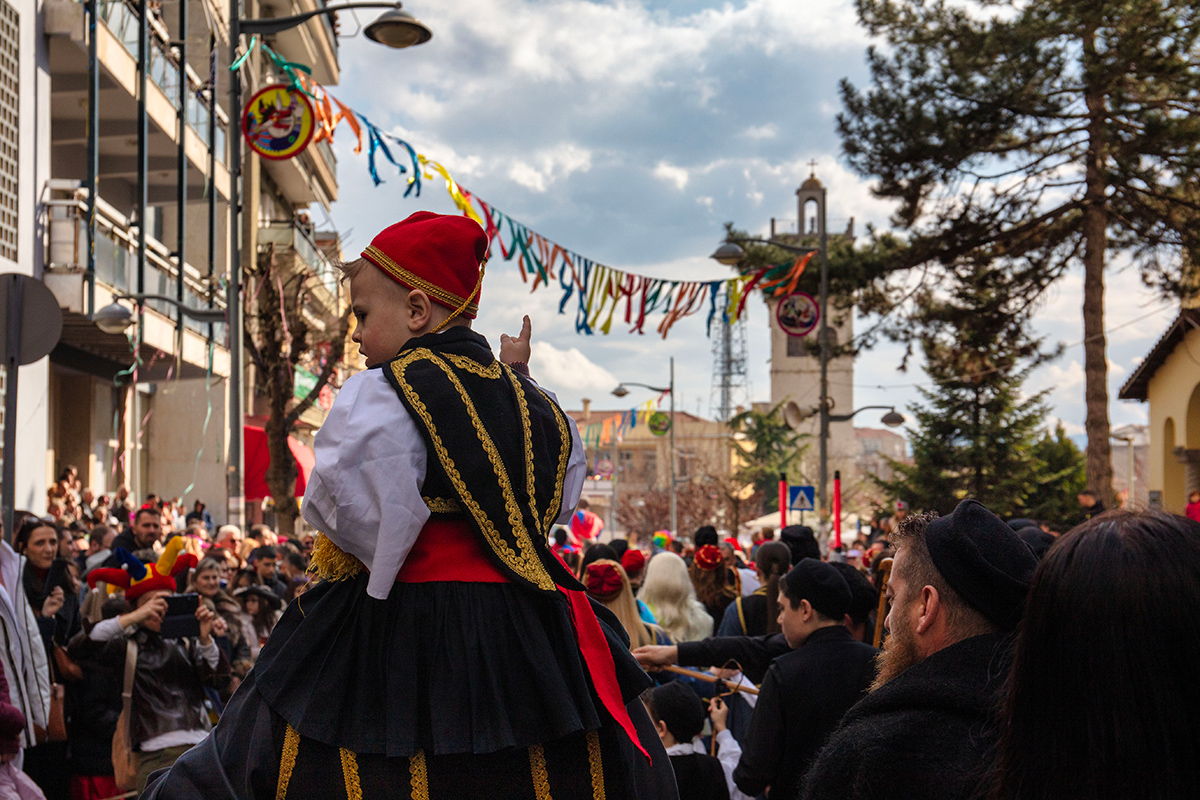
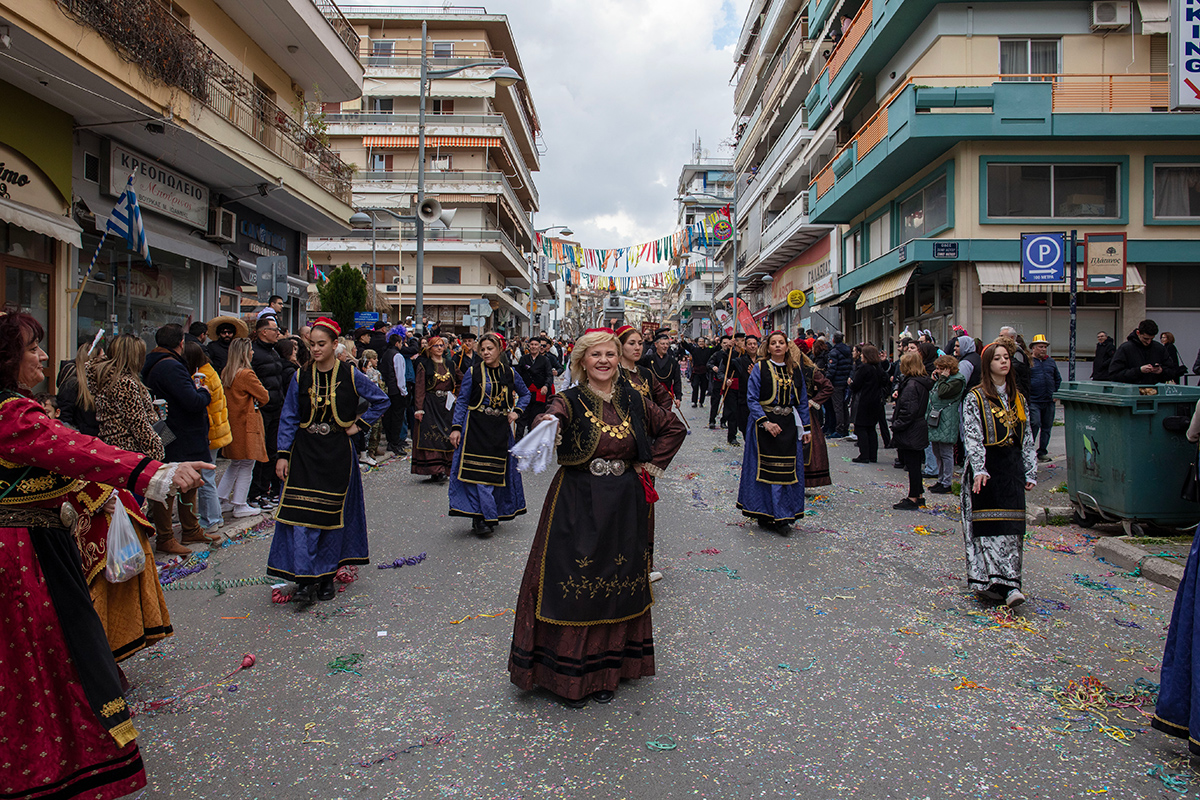
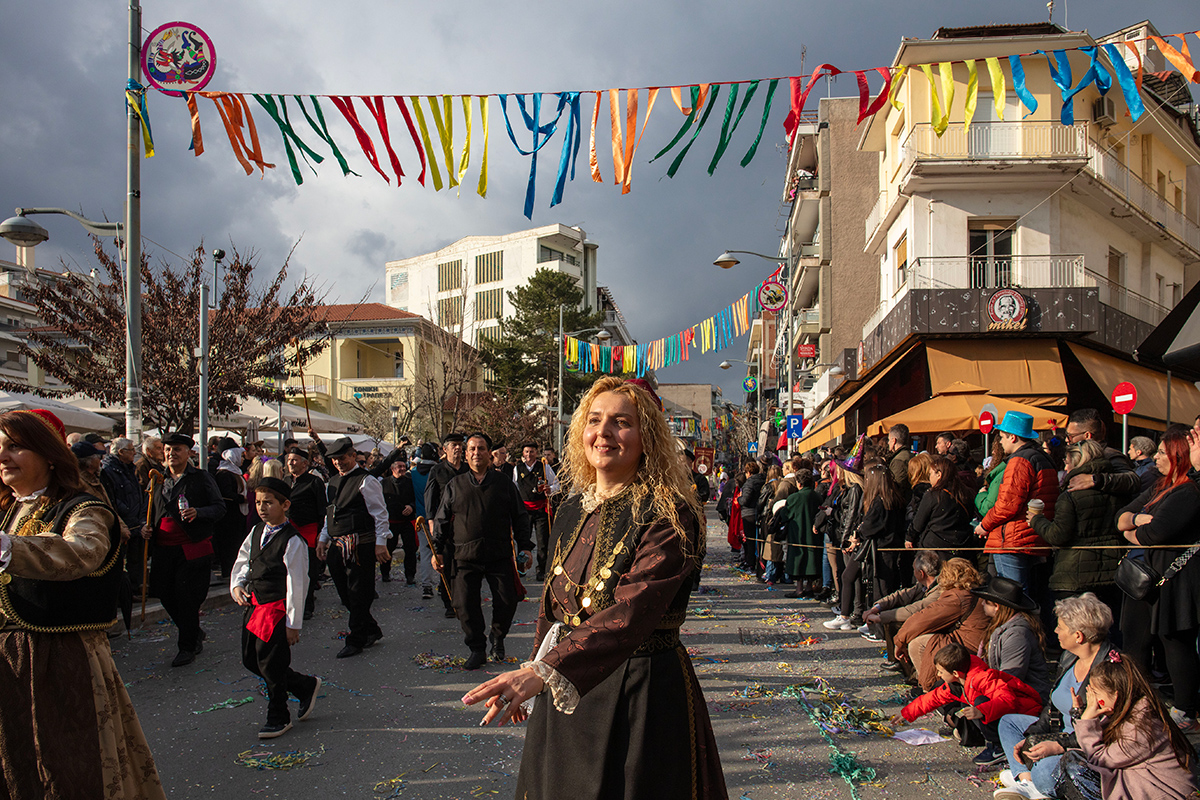
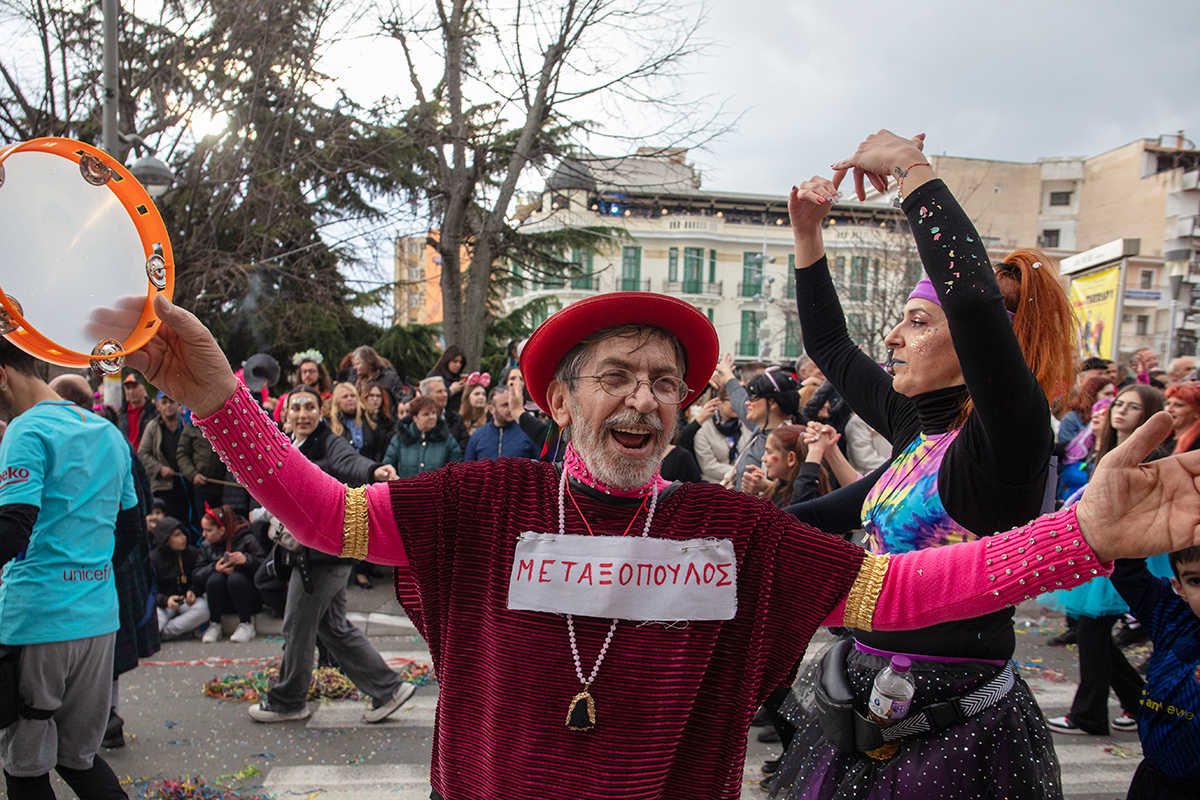
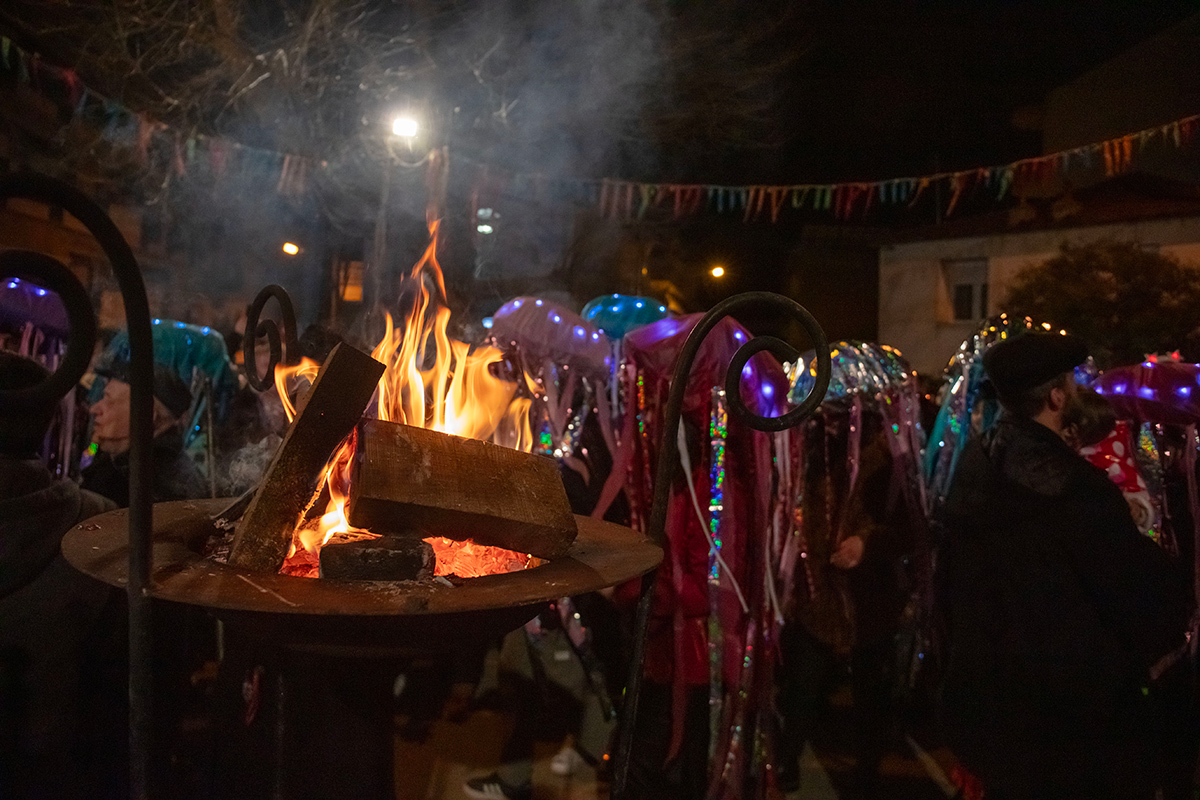
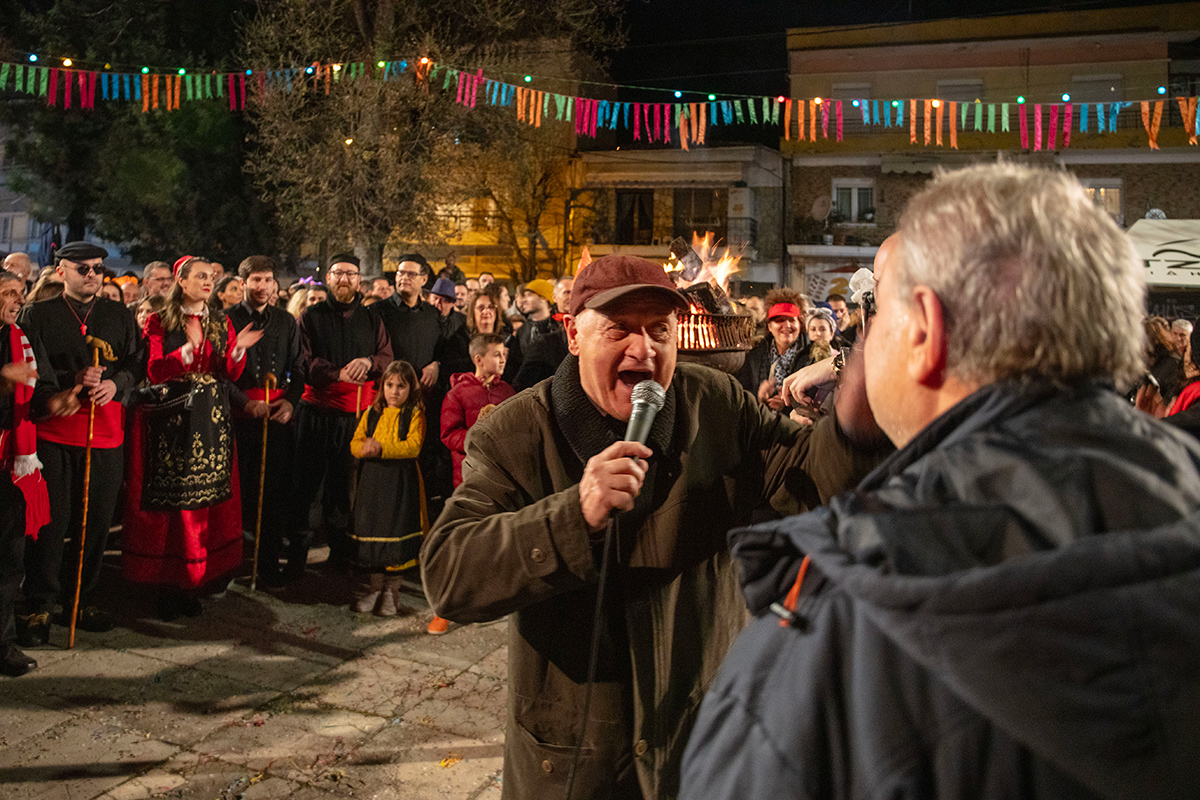
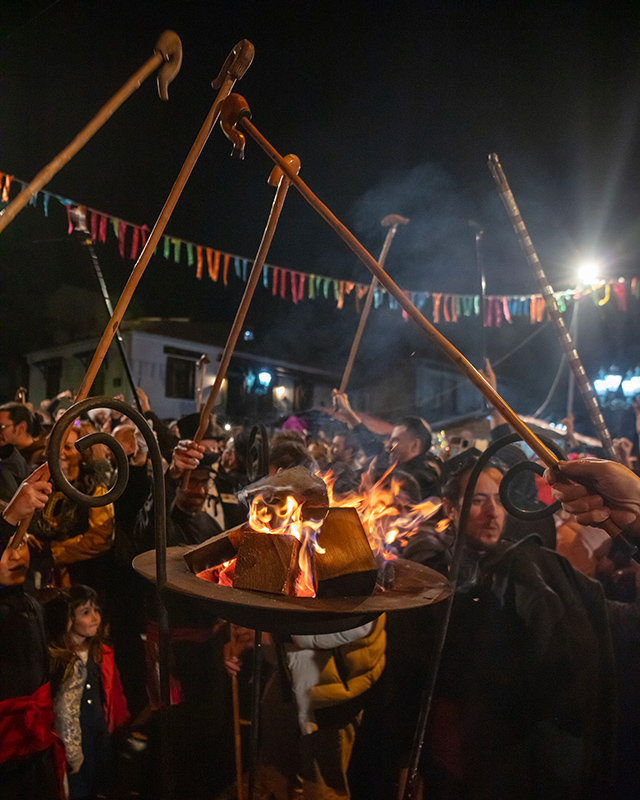
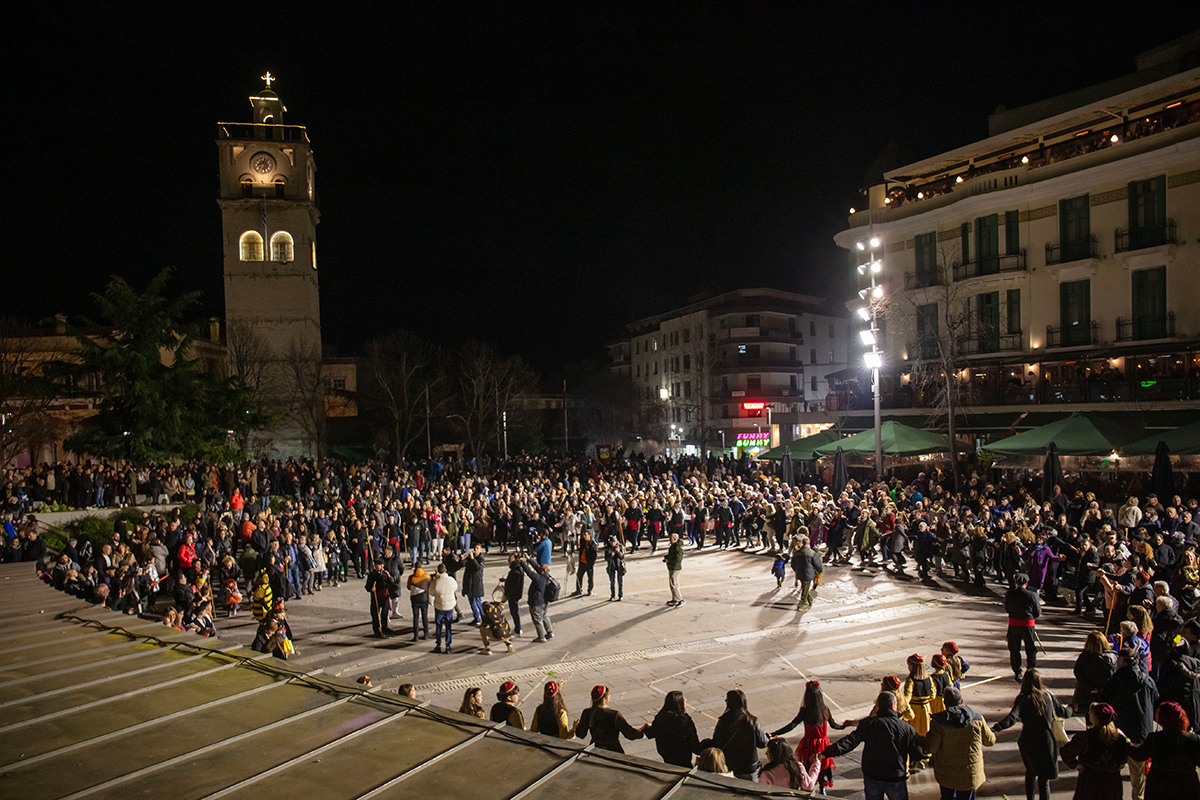
The Kozani Carnival is undoubtedly the most important custom of the city, and an experience truly worth living. Its roots go back to the 17th century, when masquerade revelers roamed the streets from New Year’s Day until the feast of Saint John, singing and celebrating. From these times up until today, the city continues the tradition with the same enthusiasm, filled with music, bonfires, and vibrant energy. The events begin on Tsiknopempti (the Thursday of the Carnival season) and culminate on Carnival Sunday. They are organized both in the city and in surrounding local communities and they include performances by traditional dance groups from all over Greece in the city’s central square, music concerts and carnival-themed theatrical performances —usually in the local dialect of Kozani— as well as seasonal workshops at the Municipal Library and a children’s carnival with traditional games and a ton of surprises. Every evening, one of the Fanoi bonfires presents dances and songs, and invites everyone to join a celebration with music and singing. On Carnival Sunday, a large parade takes place, featuring floats and masked participants with a strong satirical character. Following its end, the Mayor of the city lights the central Fanos in the square and the celebration goes on. The remaining Fanoi are lit simultaneously in the neighborhoods of the city that same evening. Around the fires, the festive tone is set by flowing wine, local delicacies, dancing, music, and the well-known “xinentrapa” — satirical, subversive songs that challenge the status quo, hierarchies, and social boundaries. It is worth knowing that the significance of this custom for Greece’s intangible cultural heritage is such that it has been inscribed in the National Inventory of Intangible Cultural Heritage. If you find yourself in Kozani during these days, you will easily recognize its integral role in the cultural identity and collective memory of the city.